


By Dov Kornits
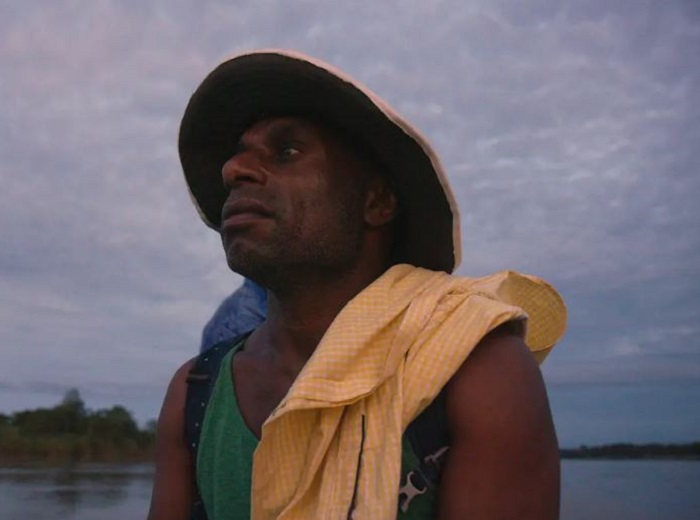
Papua New Guinea activist Manu Peni is the quiet, humble hero of Sukundimi Walks Before Me, a poetic doco about a river community’s bold fight against a huge multinational mining company.
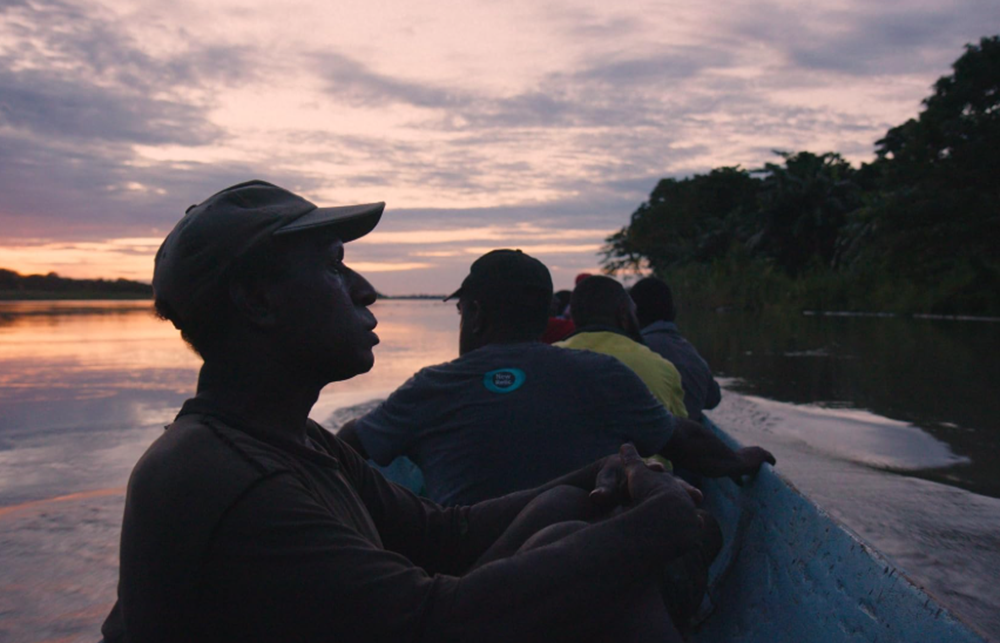
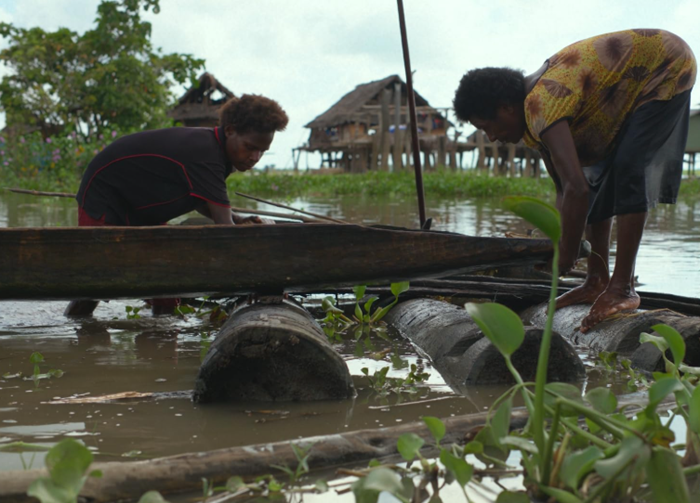
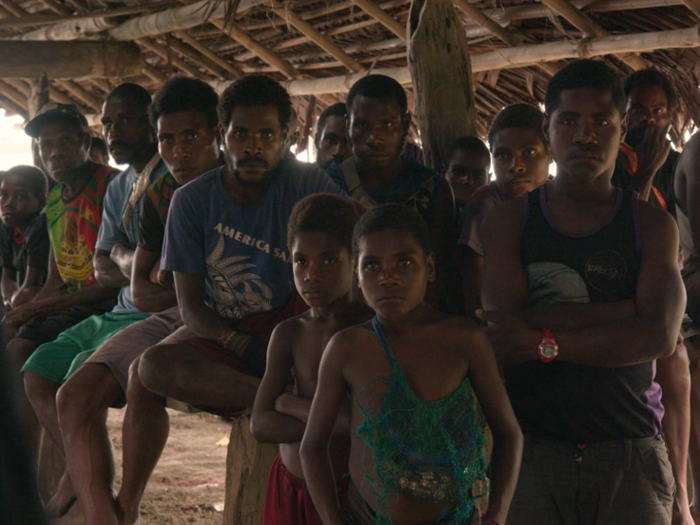
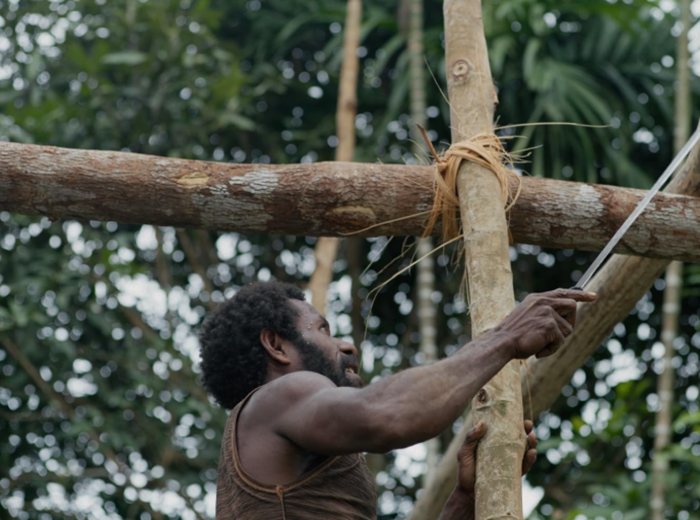
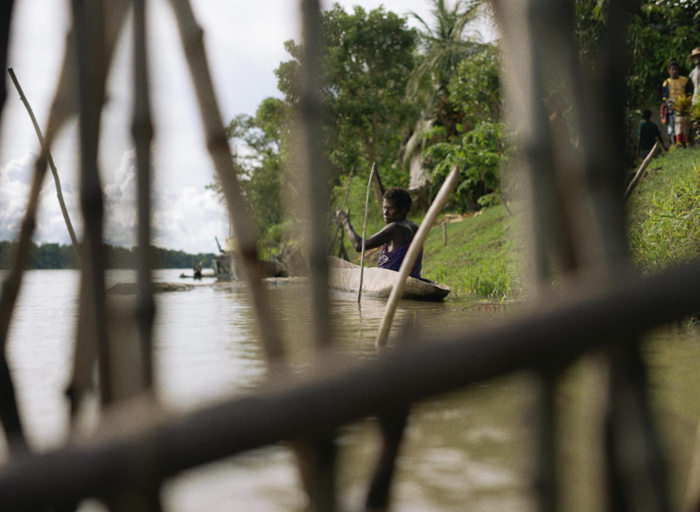
In Matasila Freshwater and Lachlan Mcleod’s poetic and quietly powerful new documentary Sukundimi Walks Before Me, the audience is taken deep into the lush heartland of Papua New Guinea, one of Australia’s closest neighbours and a longtime friend and ally. As the camera swoops and glides across the landscape, we’re shown a place of extraordinary physical beauty with a great sense of community. But, of course, where there’s natural beauty, abundant resources, and community, there’s usually an outside force that wants to rumble in and change everything.
In this case, it’s a Norwegian copper and goldmining company that has its cruelly focused eye on damming The Sepik River, in order to open up the rich veins that run around it. The Sepik River is widely seen as the “mother line” for Papua New Guinea communities, a vital artery that brings life and work to the whole nation. To a mining company, however, that doesn’t matter. To them, it is a financial opportunity waiting to exploited.
But as Sukundimi Walks Before Me quietly but forcefully demonstrates, the people of The Sepik River will not take this proposed trespass lying down, and they have an unassuming warrior in the form of dedicated and passionate activist Manu Peni, who bravely embarks on a seemingly impossible endeavour to unite the people of Papua New Guinea against the mighty international forces amassed against them…
How did you get connected to the filmmakers? How did the whole project arise?
“Project Sepik started in Port Moresby and along the river in 2018, but the conversation started in 2016. In many countries, the middle class doesn’t act. It’s the lower class and those that are facing the full brunt of the injustice that stand up and speak. This is different for PNG, and I’m really proud of that, because it was the middle class, the well-to-do lawyers and accountants and doctors and engineers and scientists, that came together and set up Project Sepik. I needed short videos of what had happened in PNG with mining, logging and any form of land alienation or land grabbing by the government. I needed a documentary about that. I just didn’t know exactly what I wanted. In 2018, I started working with Jubilee Australia. We published a report called ‘The River Is Not Mine’, and they directed me to the Melbourne production company Walking Fish. They wanted to pitch the story as a typical David & Goliath tale. I fit that storyline! I’m skinny as hell! I don’t know how to fight! And I was working alone in PNG on a shoestring budget.”
Did that work for you?
“I argued with the beautiful people from Walking Fish! I said, ‘Listen, in Papua New Guinea, storytelling is different. All our cultural story, our traditional stories, our fables…it is never about just one person in all the stories.’ They said, ‘But this is also for the international audience, and they want to see a hero.’ And I said, ‘Then they can see a hero, but then it’ll jeopardise my work because then everybody in Papua New Guinea and Sepik will say he’s promoting himself. It should be promoting everyone’s voice.’ So that has been the underlying drive or influence to the story. I actually told them that I should be given just three minutes in total to speak. I said, ‘My images can be there, but when I speak, it should be just three minutes. The rest should be everyone. It should be the river. You’re all filmmakers. I trust your knowledge, and your experience. I trust your gifts and talents. Make the river speak.’”
What has your exposure to cinema been in PNG?
“As I was growing up, there was no cinema in PNG. And even today, there’s only one, but it hardly sells any tickets, and there is no cinema culture in PNG. So yeah, I did. I grew up in Papua New Guinea, and went to university in New Zealand, but I’m no cinema person…I couldn’t afford going to films. But I read magazines cover to cover of magazines… The Wall Street Journal, The Guardian. I read widely for a Papua New Guinean. I don’t want to sound too arrogant, but for a Papua New Guinean child who grew up along the Sepik River and went barefoot to school, it’s quite rare to find that we were reading. My mother grew up working for the colonisers, and she’d say, ‘I’ve seen them reading to their children, and I see books in their house. You all have to read.’ And so we read.”
The film has had an impact already in PNG…
“Oh, yes, a big impact. Huge. One of the reasons why Project Sepik doesn’t get funding is because we are too loud, and too unapologetically aggressive. People didn’t want to talk to us, and they didn’t want to mix with us…funders didn’t come anywhere near us. We were just too loud. The film was made in in such a way that it wasn’t Project Sepik, but rather the students at The University Of Papua New Guinea. We made it their film, and they made it their film. They screened it on campus and invited some of the most elite scientists and eminent elders in high bureaucratic levels of government to come and sit and have a dialogue prior to the film. It’s quite remarkable. Immediately, a week after the film was screened, we hit the front page of the newspaper. Then we took it around the country. We portrayed the film as a cinematic experience that shows the beauty of our home. We also said that the film basically is to help us ask questions about what kind of development we want in Papua New Guinea and what kind of development we are seeing and what kind of development people from outside are seeing for us. We also talk about the idea of community organising, and working together to protect our home…PNG belongs to the world.”
Is there a deadline to what you are trying to achieve?
“When I started this work in 2017, I met the funder for the first time. They’re from Norway, and their representative flew to PNG. He looked at me and asked me a very direct question. I wasn’t prepared for the question. He said, ‘Manu, are you going to stop the mine?’ And I replied, ‘I will be fighting against the government of Australia, the government of Papua New Guinea, the government of China, the government of Canada, and a mining company. I’m nobody. These are all giants that I’m trying to stand up against, but I promise you, my people and I will delay the mine.’ So, we are here today. We’ve delayed it, so there is no timeframe. The fight is long.”
Is it exciting to see the film playing outside PNG?
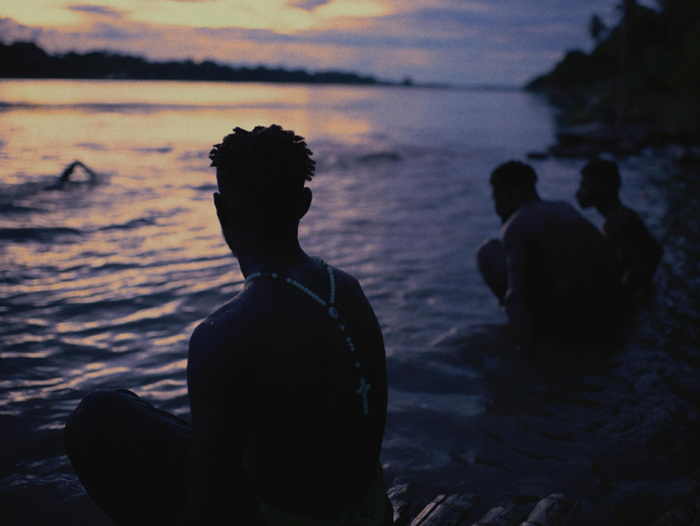
“Oh, my God, yes. I’m here in Australia, and it’s exciting. People back home are talking about it. I’ve been on so many radio stations in PNG. The film is based in the Sepik by the people of Sepik, but the stories are the same everywhere in PNG. We, as guardians, must protect our home. The nation is now talking about it.”
Sukundimi Walks Before Me will screen at The Darwin International Film Festival. Click here for all ticketing, venue and session details.
Manu Peni will tour with Sukundimi Walks Before Me across Australia for a series of special Q&A event screenings. Click here for all ticketing, venue and session details.
