



by Sonia Beckett
I am utterly exhausted by the current state of multiplex cinema. Walk into any major theatre chain today and you are immediately assaulted by the synthetic stench of stale popcorn and the depressing realisation that every single film on the marquee looks like it was generated by a board of risk-averse corporate accountants. I get it—studios need to chase the global box office to survive, but after sitting through yet another bloated, soul-crushing three-hour blockbuster that felt completely devoid of human touch, I had to walk out.
The true lifeblood of Australian cinema isn’t happening on massive green-screen stages in Sydney; it’s quietly thriving in the small town halls, community hubs, and independent regional screens across the country. If you want to read more about how community-driven coverage tracks these massive grassroots cultural shifts outside the metropolitan bubble, looking at regional press archives reveals exactly how deep these roots go. The reality is that localised storytelling is single-handedly rescuing our screens from total creative starvation.
The True Cost of Cinematic Centralisation
When every piece of media we consume is filtered through metropolitan hubs, we lose the distinct, textured voice of regional communities. According to funding reports from Screen Australia, local productions that anchor themselves in rural and regional settings face massive distribution bottlenecks, despite consistently drawing dedicated local crowds.
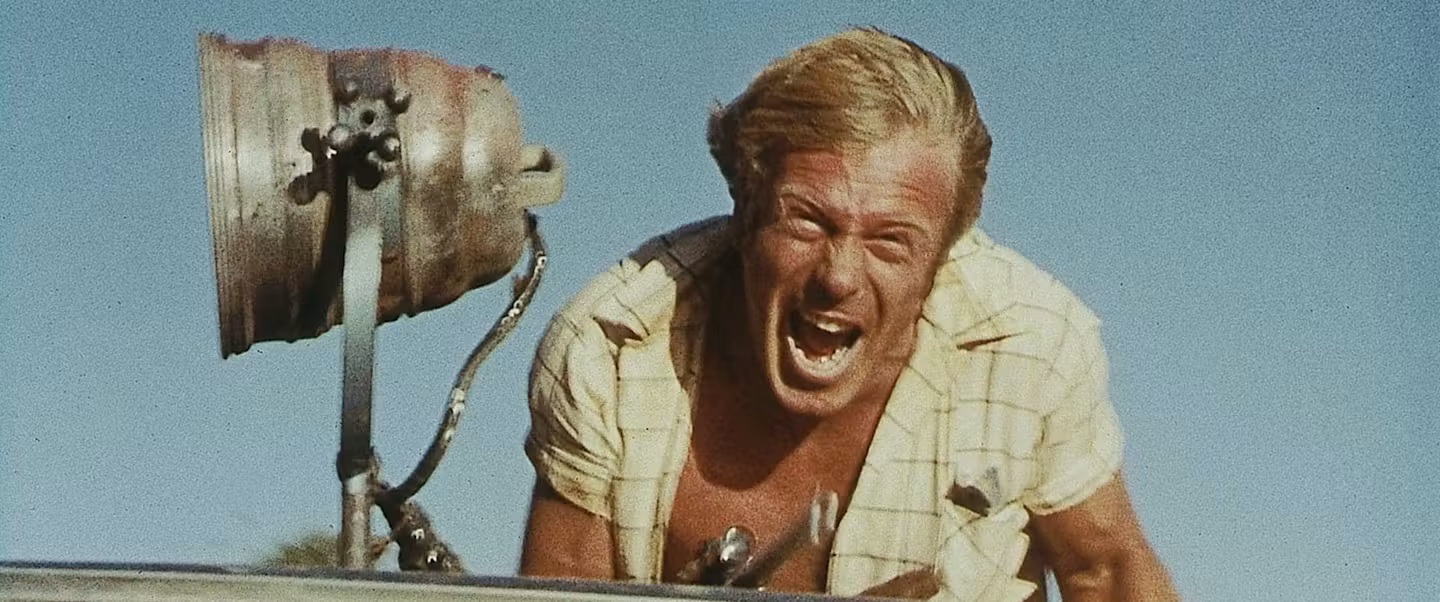
The mainstream industry operates like an exclusive club, but the fringe is where the magic happens. Think about the stark, sun-bleached terror of Wake in Fright or the muddy, claustrophobic isolation of recent outback indies. These aren’t stories that can be conceived in a climate-controlled corporate office on the harbour. They require the dirt, the localised anxieties, and the raw authenticity of communities that live outside the suburban sprawl.
The Festival Scouting Test: Ground-Level Reality
To see if my theory held water, I decided to run a little experiment last month. Instead of attending a glossy, red-carpet media screening in the city, I packed a bag and drove four hours down the coast to a community-run, two-day independent film showcase operating out of a repurposed 1920s mechanics’ institute.
The Scouting Experience
My goal was simple: test whether these micro-budget, regionally focused projects could hold an audience’s attention better than a multi-million dollar studio feature. I bought a ticket, grabbed a lukewarm cup of instant coffee, and took a seat on a slightly squeaky wooden folding chair.
The projector fired up, and I watched a raw, fiercely intimate 45-minute featurette about a generational farming family dealing with water rights. The sound design wasn’t Dolby Atmos—it was mixed in stereo—but the dialogue was sharp, biting, and intensely recognisable.
The result: The room was packed to the brim, dead silent, entirely locked in. Nobody looked at their phone once. When the credits rolled, the applause wasn’t polite; it was thunderous. It possessed a raw emotional urgency that you simply cannot buy with a massive marketing budget.
This is exactly what we highlighted in our previous guide to micro-budget distribution strategies on the independent circuit—when you cut out the middlemen and speak directly to a community’s lived reality, the audience will show up every single time.
How Regional Backing Outperforms the Big Studios
| Element | The Hollywood/Metro Pipeline | The Regional Indie Approach |
| Creative Control | Homogenised by executive committees | Raw, uncompromised, and deeply personal |
| Audience Connection | Passive consumption via massive streaming algorithms | Visceral, community-driven event screenings |
| Visual Texture | Glossy, heavily scrubbed digital CGI environments | Gritty, practical locations with authentic local character |
The contrast couldn’t be sharper. The modern studio pipeline treats cinema like an assembly line widget, whereas the regional independent sector treats it like a community campfire.
Shifting the Lens Focus
If we want the Australian film industry to remain viable, we have to look past the major cities. Audiences are inherently smart; they can smell corporate calculation from a mile away. The future belongs to the filmmakers who are willing to get their boots muddy and tell stories that matter to the people living them.
The Verdict: Regional independent cinema is not a charity case or a niche hobby. It is the raw, unpolished engine room of our entire cinematic culture, providing the exact kind of creative friction that smooth, corporate studio filmmaking desperately tries to eliminate.
The Future of Our Local Screens
The survival of authentic Australian storytelling relies entirely on our willingness to look outside the established boundaries. By championing local filmmakers and supporting small-scale regional exhibitors, we ensure our culture remains rich, unpredictable, and fiercely independent.
Cultural Notice: Preserving community art and local media spaces requires active participation. Support your local independent screening groups, subscribe to regional arts coverage, and always buy a ticket to an independent production when it rolls into town.
