


by Aaron Turner
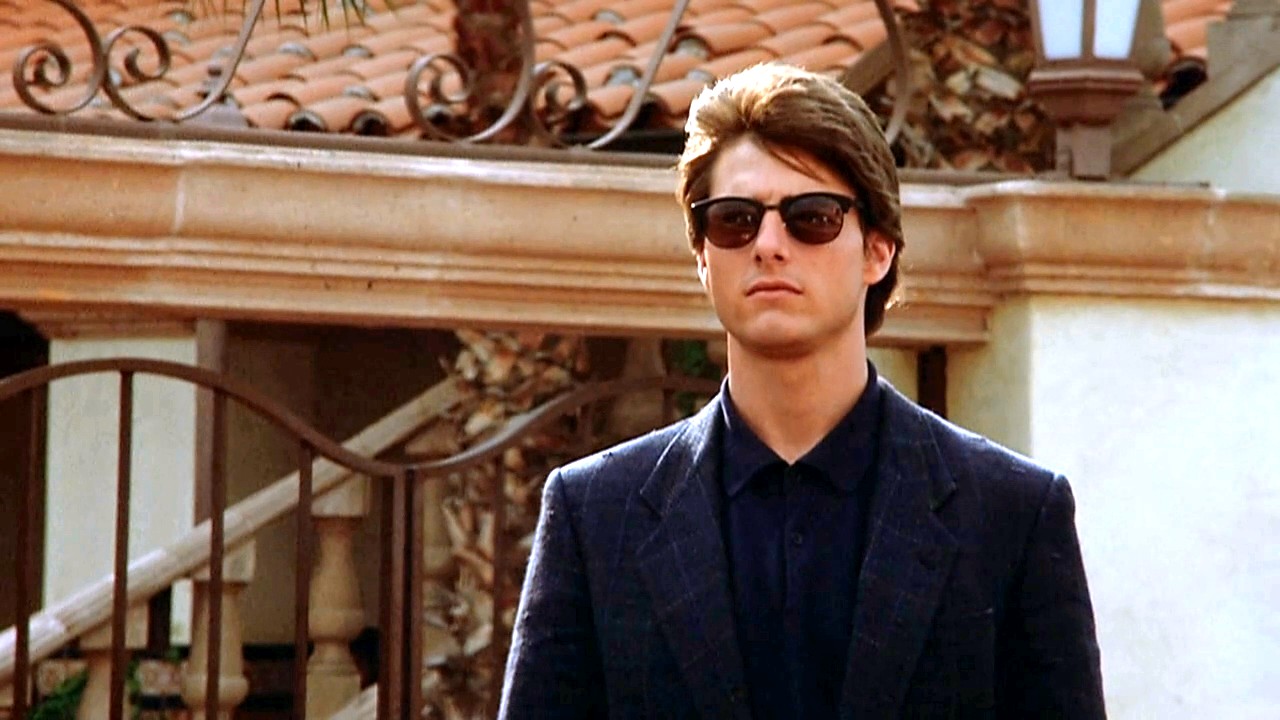
There’s a particular scene that film fans can summon from memory without even trying. Tom Cruise, sunglasses on, collar up, striding across a casino floor as though he owns the building and the city it sits in. From the desert blackjack tables of Rain Man to the cool, calculated charm he brings to almost every leading-man turn, Cruise has spent decades perfecting a screen persona built on confidence, calculated risk and a grin that says he already knows how the hand is going to play out. That image of the unflappable high-roller has become one of cinema’s most durable archetypes, and audiences keep coming back to it.
Part of why the persona resonates is that it taps into a feeling that plenty of viewers chase in their own downtime. Watching a character work a table with that kind of poise makes the idea of a flutter feel glamorous rather than fraught, and for Australian adults curious about where that on-screen thrill meets real life, a trusted online casino guide does the heavy lifting. The better resources walk readers through licensed operators, run honest reviews, break down welcome bonus offers and explain pokies, table games and payment options in plain language. For anyone who has ever watched Cruise count cards and wondered how it actually works, having a reliable hub that covers the rules, the strategy tips and the responsible-play side keeps the curiosity grounded and informed rather than guesswork.
The Charlie Babbitt Blueprint
It’s easy to forget that Rain Man is the film where the Cruise high-roller really took shape. As Charlie Babbitt, he’s a fast-talking car dealer in over his head, and the Las Vegas sequence is the moment everything clicks. The casino floor becomes a stage where charm, nerve and a bit of mathematical luck collide. Dustin Hoffman’s Raymond does the counting, but it’s Cruise who sells the swagger, leaning over the table as if the outcome was never in doubt.
What makes the road-trip framing so effective is the contrast. The brothers begin as strangers, and by the time they hit the tables, the audience is fully invested. The gambling isn’t just spectacle; it’s the pay-off for everything that came before. That blend of vulnerability and bravado is exactly what Cruise would return to again and again, refining the formula until it became shorthand for screen cool.
Why Audiences Keep Buying the Bluff
There’s genuine psychology behind why this persona works so well. Cinema has long understood that watching someone make a high-stakes decision under pressure is electric, and researchers have explored the cognitive and psychobiological approaches that explain why those moments grip an audience. The brain lights up at uncertainty, at the gap between the bet placed and the card turned. Cruise instinctively performs that tension, drawing out the pause, holding viewers right there with him.
It also helps that he rarely plays a reckless gambler. His characters tend to calculate, to read the room, to project control even when the odds are wobbling. That sense of mastery is enormously appealing. Viewers don’t want to watch someone lose their shirt in a panic; they want to watch someone who looks like they’ve already done the maths. The fantasy isn’t the win itself so much as the unshakeable composure that comes before it.
A Persona That Outgrew One Film
The remarkable thing is how the Rain Man energy seeped into Cruise’s wider filmography. Watch Maverick in Top Gun, Jerry Maguire pitching a deal, or Ethan Hunt weighing an impossible move in Mission: Impossible, and the same DNA is there. Each is a man placing a bet — sometimes on a plan, sometimes on a person, sometimes on himself — and trusting his nerve to carry it through. The casino floor was simply the most literal expression of a quality that Cruise carries everywhere.
This is hardly unique to one actor, of course. The screen has always been fascinated by the gambler, and studies of the images of gambling in film trace how filmmakers use the table as a setting to reveal character under pressure. What separates Cruise is consistency. Where other actors visit the archetype, he practically lives in it, which is why the high-roller image clings to him even in films with no casino in sight.
The Cultural Shorthand of the Cool Gambler
Cinema’s love affair with the suave gambler stretches far beyond Hollywood, and the figure means different things in different traditions. Analysis of the identity and personality of female gamblers in Chinese cinema, for instance, shows how richly the gambling protagonist can be drawn, complete with motivation, contradiction and quiet vulnerability. It’s a reminder that the high-roller isn’t a single mould but a flexible canvas, and audiences worldwide respond to its pull.
Cruise sits comfortably inside that global tradition while remaining unmistakably himself. His version is breezy and American, all motion and momentum, the kind of confidence that turns a tense moment into an entertaining one. It’s a performance style that ages well, partly because it never depends on the technology of any particular era. A man being cool under pressure works just as cleanly today as it did decades ago.
The Lasting Pull of the Persona
The enduring appeal comes down to wish fulfilment dressed in a tailored jacket. Most people will never lean over a high-stakes table with the world watching, but for two hours they can borrow the feeling through Cruise. He makes risk look like fun rather than fear, decision look like instinct rather than agony. That’s a rare gift, and it explains why the high-roller persona he sharpened all those years ago still feels fresh every time he flashes that knowing grin. The road trip ended long ago, but the swagger never left the building.
