


by Sovereign Carter
There is something quite special about that hush which falls over a cinema crowd just as the lights begin to dim. You know the feeling; the rustle of popcorn bags quietens, the glow of mobile phones disappears, and for a couple of hours, we’re all somewhere else entirely. For a long time, we thought of “cinema” as something contained within those four walls, a specific experience defined by a massive screen and a sticky floor. But things have changed quite a bit recently.
If you take a look around, the visual language of the big screen has leaked into almost every corner of our digital lives. We’re seeing a fascinating blend of traditional filmmaking and interactive technology that would have seemed like science fiction only a decade ago. It isn’t just about things looking “prettier” either; it’s about a fundamental shift in how we tell stories and how we, as the audience, choose to inhabit those worlds.
The Enduring Power of the Frame: An Analysis of Modern Cinematography
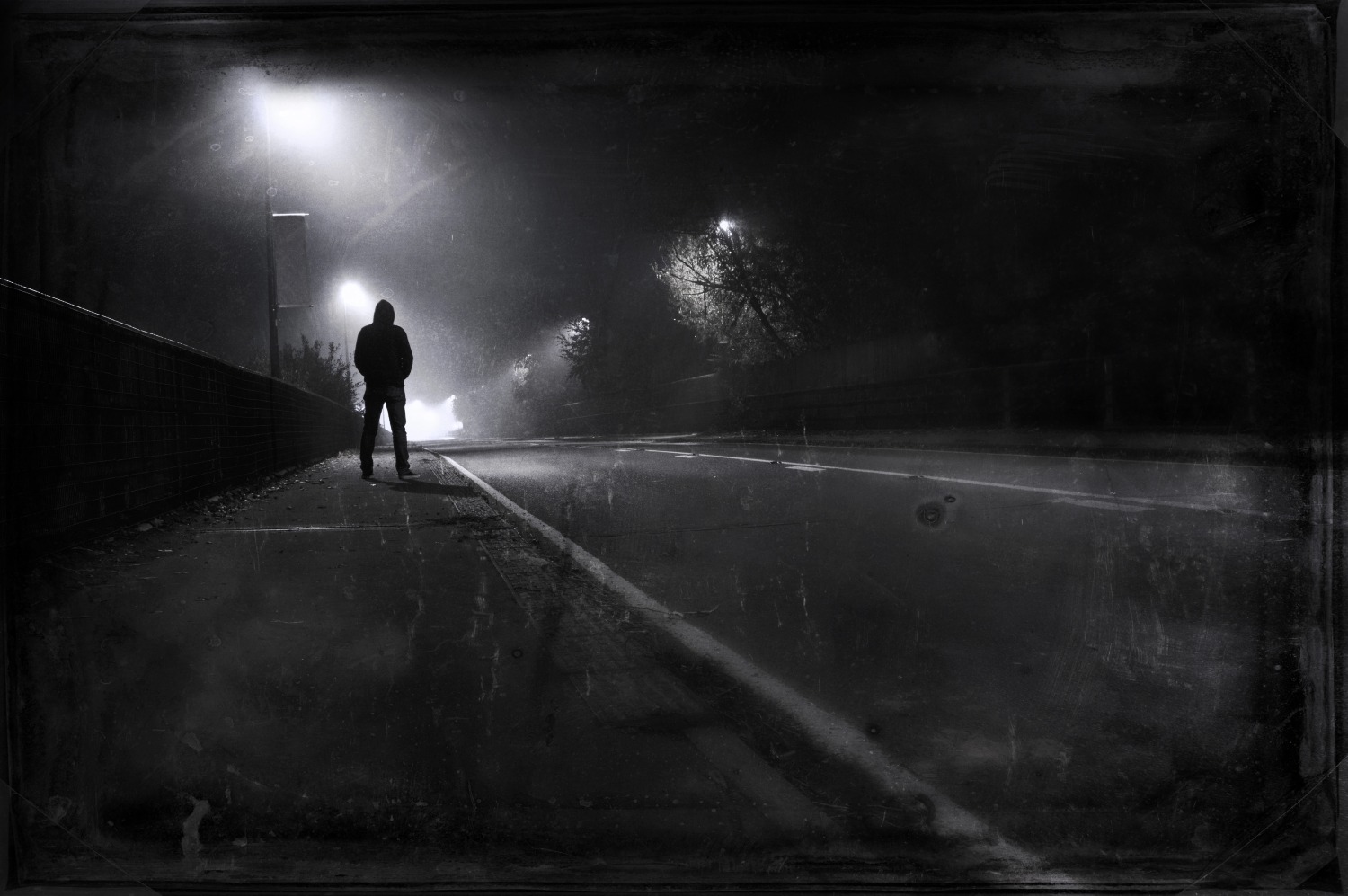
To understand where we’re going, we really have to look at what makes a film feel like a film in the first place. It isn’t just the actors or the script; it’s the cinematography. The way a director uses light, shadow, and the “frame” creates a psychological response before a single word is even spoken. Think about the way a cold, blue tint can make a scene feel lonely, or how a low-angle shot can make a character seem imposing and powerful.
I’ve often found that the most memorable movies are the ones where the visuals do the heavy lifting. We’ve moved far beyond simple recording. Modern cinematography is an intricate dance of technology and art. Directors of photography now use sophisticated colour grading to ensure that every single frame could be hung on a gallery wall. This visual narrative structure is designed to guide our eyes and our emotions. When you see a wide, sweeping shot of a desolate moor in a British drama, you aren’t just looking at scenery; you’re being told how to feel about the protagonist’s internal struggle.
This “cinematic feel” has become the gold standard for all media. We’ve grown so accustomed to high production values that we notice immediately when they’re missing. Whether it’s a high-budget television series or a short video on a social feed, we expect that same level of intentionality in the lighting and the composition. We want the “frame” to mean something, even if the screen we’re using fits in the palm of our hand.
Beyond the Credits: How Film Franchises are Expanding Lore
Have you ever walked out of a cinema feeling a bit gutted that the story is over? You’ve spent two hours getting to know a world, and suddenly the lights are up and you’re back in the car park. This sense of “narrative hunger” is exactly why film franchises have stopped being just films. They’ve become entire ecosystems of lore and storytelling that span multiple platforms.
The industry calls this “transmedia storytelling,” but for most of us, it’s just a way to stay connected to the characters we love. A blockbuster film might introduce us to a galaxy or a magical kingdom, but the story doesn’t stop when the credits roll. We find ourselves looking for the backstory in novels, following character arcs in spin-off series, or exploring the geography of those worlds through interactive maps and games.
This expansion of lore is a clever way of building a community. It turns a passive viewer into an active participant. You aren’t just someone who watched a movie; you’re someone who knows the history of the fictional world, the languages spoken there, and the political motivations of the side characters. This level of world-building creates a sense of permanence. The “multiplex” is now just the starting line for a journey that can last for years across different devices and formats. It’s about creating a narrative depth that survives long after the initial hype of a cinema release has faded away.
The Narrative Pivot: A Shift Toward Cinematic Experiences
This brings us to a rather startling statistic that has been doing the rounds in industry circles lately. There has been a recorded 41% industry shift toward cinematic-grade interactive experiences. This isn’t a small flicker of change; it’s a full-blown revolution in how digital entertainment is produced. People are no longer satisfied with simple, repetitive interfaces. We want the drama, the visual fidelity, and the storytelling depth of a Hollywood production in our daily leisure activities.
This shift is particularly evident when we look at how we spend our downtime. Whether it’s a mobile game or a high-end digital platform, there is a clear demand for branded, narrative-driven content that bridges the gap between blockbuster visuals and real-money play. For example, the way we engage with slot games has been transformed by this trend. It’s no longer just about the mechanics of the game; it’s about the theme, the introductory cinematic, and the visual world that the player is invited to join.
When nearly half of an entire industry pivots toward a specific style, you know it’s because the audience is voting with their feet (or their thumbs). We’ve reached a point where the technology is powerful enough to render film-quality graphics in real-time, allowing developers to create environments that feel alive. This convergence means the line between “watching” and “playing” is getting thinner by the day. We’re seeing a new breed of entertainment that values the script and the visual atmosphere just as much as the interactive elements.
Aesthetics in Action: The Convergence of Visuals and Play
If you take a close look at the latest digital offerings, the level of craftsmanship is genuinely impressive. High-end digital leisure platforms have started adopting 4K rendering and narrative scriptwriting techniques that were previously the exclusive domain of film studios. This isn’t just about sharp lines and bright colours; it’s about the texture of the world.
Take, for instance, the visual fidelity of movie-themed slot games at Bally Casino. When you look at these titles, you can see the influence of modern cinematography in every corner of the screen. The use of atmospheric lighting, the subtle animations that breathe life into the background, and the way the music swells to match the action on screen—it’s all pulled straight from the filmmaker’s handbook. There’s a subtle comparison to be made between the world-building found in massive cinematic franchises and the immersive interactive environments provided by Bally Casino’s latest digital offerings. Both seek to transport the user to a different place through sheer visual excellence.
The goal here is to create a seamless experience. You move from watching a high-octane action film on your television to engaging with an interactive version of that world on your tablet, and the quality doesn’t drop. The characters look the same, the world feels familiar, and the narrative stakes are just as high. This convergence is what the modern audience expects. We want our entertainment to be a continuous, high-quality stream, regardless of whether we are sitting in a theatre or lounging on our own sofas.
A New Way to Tell Stories
It’s clear that the “cinematic screen” is no longer a physical place. It’s a standard of quality and a method of storytelling that has moved beyond the multiplex and into the very fabric of our interactive lives. We are living in an era where the depth of a story isn’t limited by the length of a film, and the beauty of a visual world isn’t restricted to a cinema projector.
Whether we are exploring the deep lore of a favourite franchise or enjoying the high-end visuals of a digital game, we are part of a new narrative tradition. It’s a world where the frame is always open, the story is always expanding, and the quality is always cinematic. And frankly, as someone who loves a good story, I think that’s a rather exciting place to be.
18+ Only. Please gamble responsibly. For help and support, visit BeGambleAware.org.

Main image Source: Depositphotos
