


by James Mottram
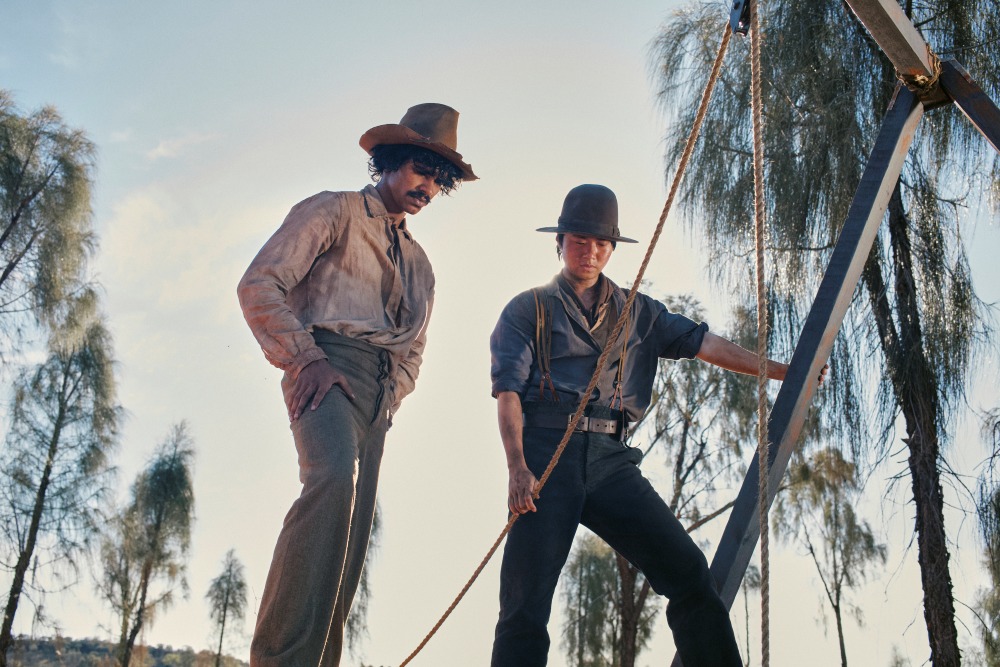
“I didn’t want to make this film,” laughs Warwick Thornton, talking up his new movie Wolfram. It’s a sequel-of-sorts to 2017’s Sweet Country, the Australian director’s acclaimed 1920s-set Outback western that depicted the fallout after an indigenous farmhand shoots dead a white man in self-defence. Side characters – including 18-year-old Aboriginal boy Philomac, played here by Pedrea Jackson [below, left]– are re-introduced in a story that sprouts off in a different direction across the Northern Territory.
The only problem? Thornton, whose last film was The New Boy with Cate Blanchett, is no fan of sequels, something Hollywood in particular has become overly reliant on. “Doing a sequel for me is kind of like ‘Why?’” he says. “There are so many beautiful stories out there. A sequel is usually the death of something beautiful. Oh, they milked it, and now it’s all shit. Even though the first one was great, they wrecked it by making the second one.”
Thornton said as much to Sweet Country’s screenwriters David Tranter and Steven McGregor when they presented the script for Wolfram. “The two writers were really close friends of mine; one of them I met at six, the other one I met when I was 16 in Alice Springs, and they said, ‘Just fucking read it, you idiot.’ And [Wolfram producer] David Jowsey literally offered to pay me to read it, which was slightly embarrassing. I don’t think he actually did pay me!”
The 55-year-old director eventually did read it and immediately fell in love with the script. “Because of the male machismo and hardness of the first one, this was an antidote in a strange way… because it was about women. I am in a place right now where I want to make movies about women, people I do not understand, people who I’m incredibly fucking scared of. And I think I’m becoming a better filmmaker. So, maybe one day I’ll be allowed to make a real film about a woman!”
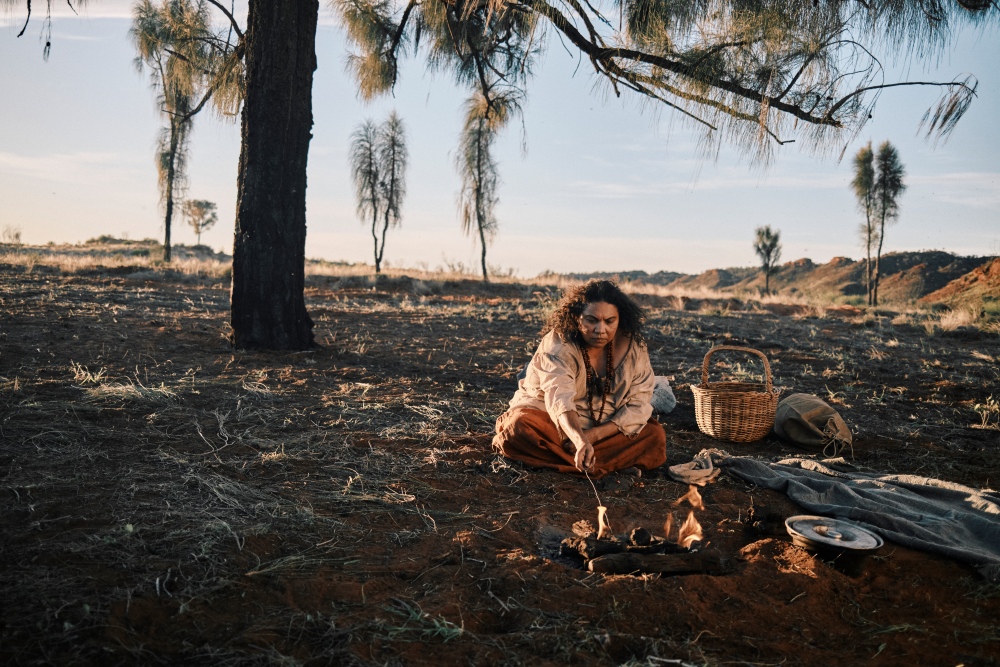
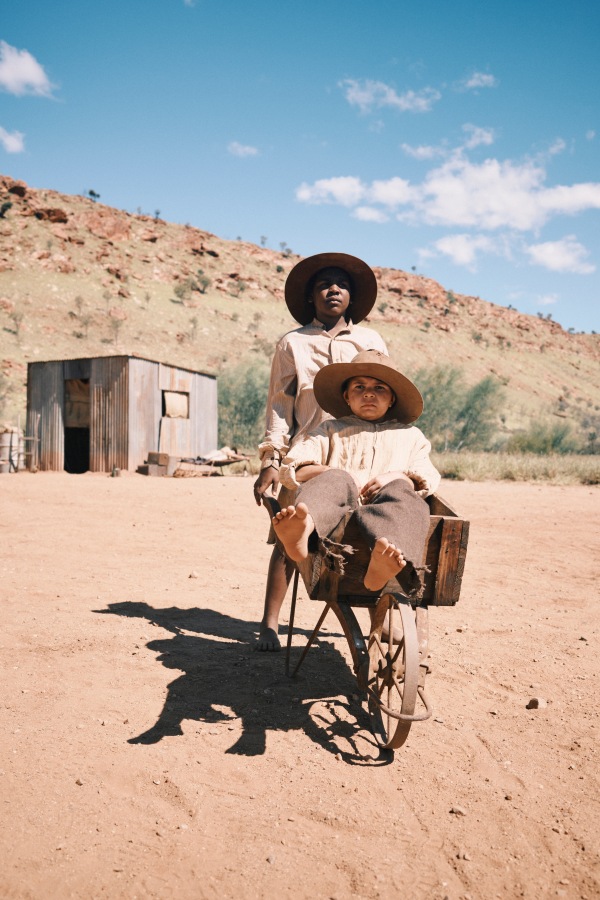
Set in 1932, four years after the events of Sweet Country, Wolfram’s ‘woman’ is Pansy (Deborah Mailman), a mother who sets out for Queensland with her partner in pursuit of her stolen children. Those children – siblings Max (Hazel May Jackson) and Kid (Eli Hart) – are now enduring forced labour, mining for ‘wolfram’ (or tungsten) near the fictional Northern Territory town of Henry, where Sweet Country was also set.
“Wolfram is the element that they use to make metal harder,” explains Thornton. “So, wolfram during the First World War and the Second World War was worth more than gold. And it’s because of World Wars… they made barrels harder, tanks harder, cannons harder, all that kind of stuff. Us mob, who’ve been shot at… we’ve actually become slaves to get the iron so that they can make more guns to shoot us more! There’s this little cycle thing happening.”
As he has done right back to his 2009 debut Samson & Delilah, Thornton has unearthed some major new talents here. While he is more than used to working with Antipodean stars – Sam Neill and Bryan Brown featured in Sweet Country, for example – he’s in his element directing newcomers. Actors like Jackson and Hart, who play Max and Kid. “I think I’m on the right path when the producers go, they’ve never heard of that actor before,” he smiles.
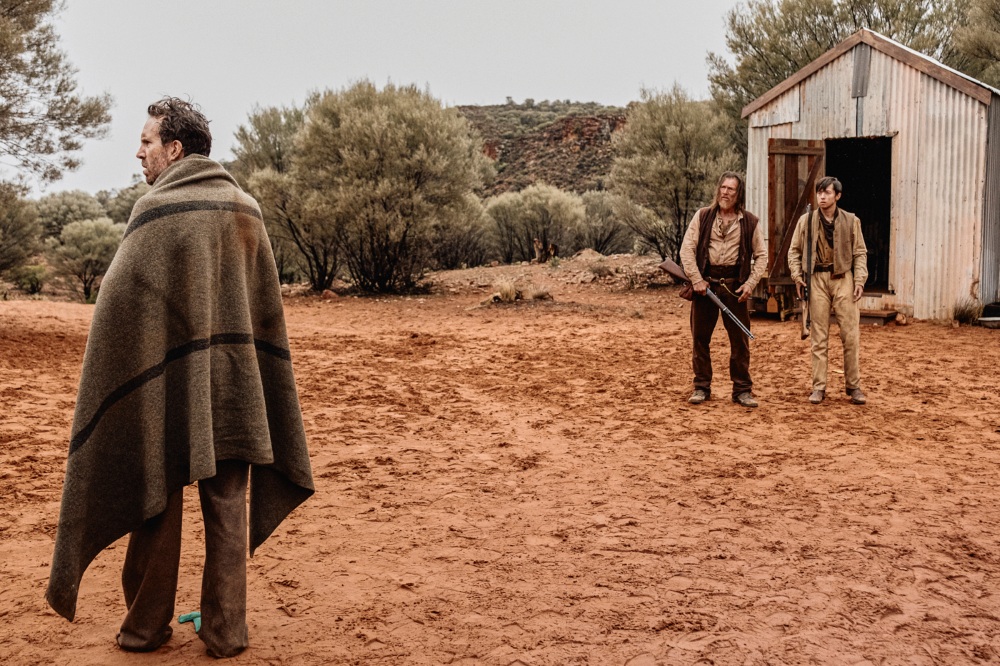
Casting the brilliant Erroll Shand and Joe Bird as Casey and Frank [above, right], two vile men who are further looking to exploit Max and Kid, Thornton is even comfortable telling other directors what to do; in this case, Thomas M. Wright [above, left] – who made 2022’s brilliant The Stranger – who here reprises his role from Sweet Country as Mick Kennedy, the station owner and father to Philomac – the teen who, like Max and Kid, dreams of freedom.
One of the shocking elements of Wolfram – which was filmed around Alice Springs – are the (very real) flies buzzing around the actors. “They’re not written in the film,” explains Thornton. “But we had a fly plague, and it’s like, ‘Whoa. This is hardcore.’ There’s an amazing Russian film [directed by Elem Klimov and released in 1985] called Come and See that really affected me as a young filmmaker in the ’80s. And there’s a fly sequence in that. It’s horrific. So, I’ve got all these free flies. We’re not going to get rid of them [by digitally removing them from the film], because that’s going to be way too expensive. It’s a beautiful element, you know? It’s something that actually adds to the film. It’s kind of a gift from the country.”
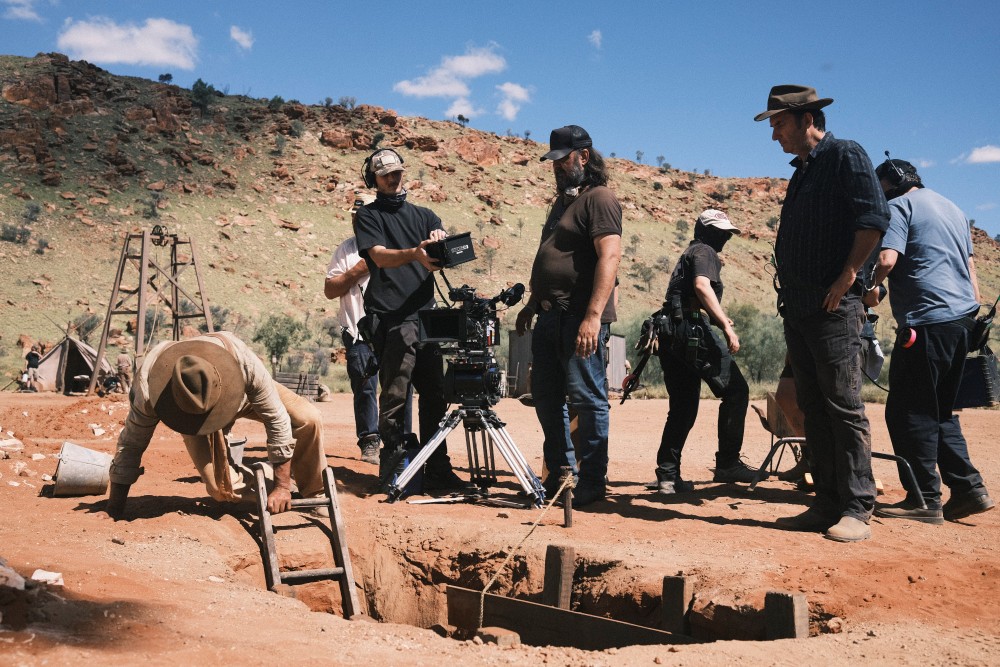
How did Thornton [above, centre], who also acts as his own cinematographer, and his crew cope with shooting in 42-degree heat, in the middle of a fly plague? Well, for starters, Thornton didn’t even wear a fly net. “The rest of the crew have got fly nets on, and they’re going, ‘He’s an idiot’. But I’m from Alice Springs. Blokes from Alice Springs don’t wear fly nets. There are about 15 flies a day, maybe 20, that go down [your throat] and you try and cough them up, and then there’s a point when you just give up on trying to cough them up and you just swallow them. It’s more efficient.”
We ask Thornton about his run of period movies, after making his debut with Samson and Delilah. “We’re still dealing with the past. We’re still sorting out the problems with all the bullshit that was written about us,” he says. It’s why Thornton has little interest in contemporary, commercially-oriented films. “I always say to my wife, if I ever read and agree to make a romantic comedy, take me out the back. Because they’re not for me, and that’s not who I am. And there are people who are brilliant at that. I don’t watch those kind of movies. My wife does!”
All Thornton wants to do is tell it like it is – or rather was. “I am telling the truth, and I am telling the history, and I don’t want to jam that down your throat,” he adds. “If I can make a film where everybody learns a fuck tonne of history about my people and the truth about my people, and they didn’t realise they actually just went to a history lesson, but they were entertained and they laughed and they cried, hopefully they danced in the streets after the film… I’ve done my job.”
Wolfram is in cinemas from 30 April 2026
