



by Stanley Annersley
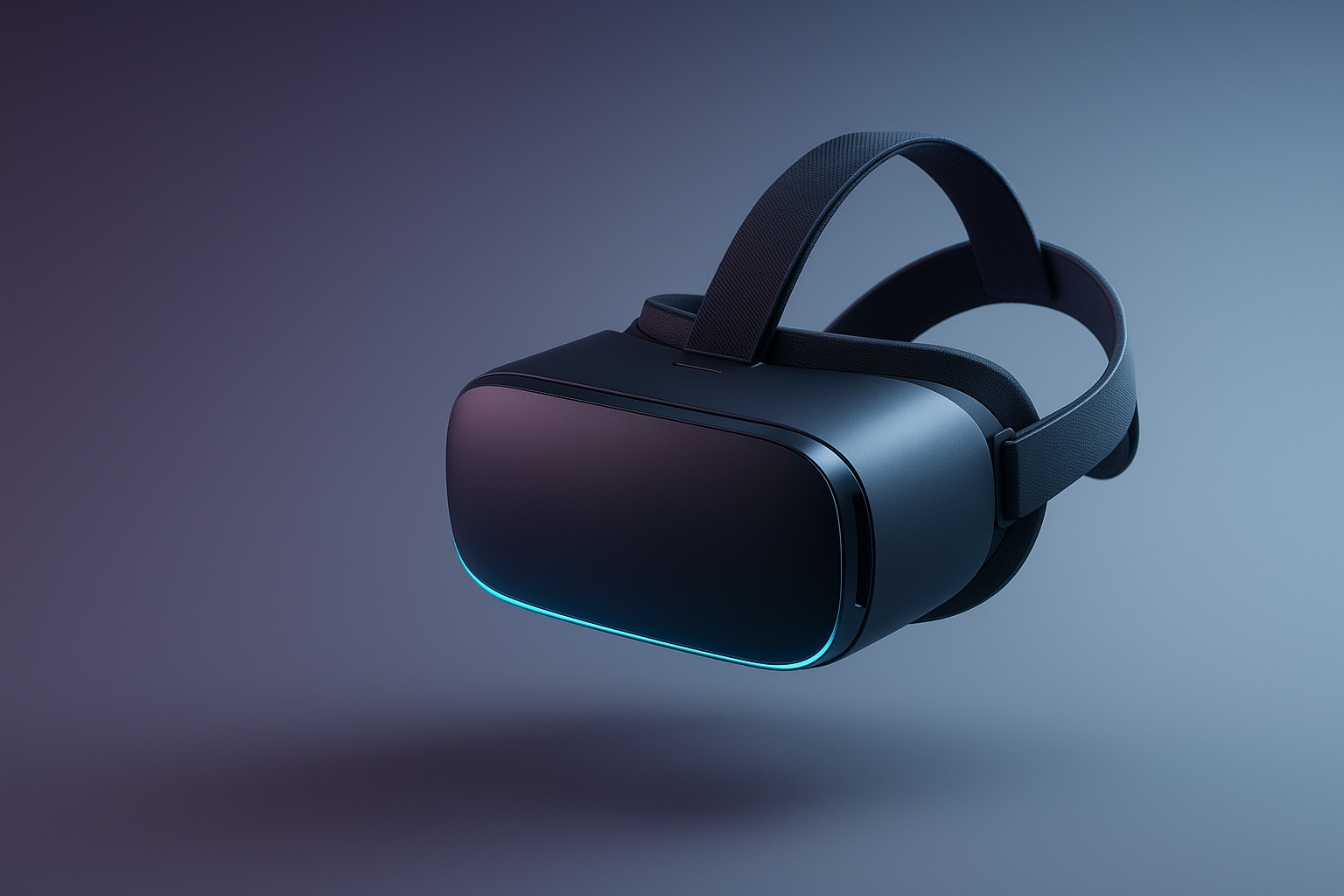
Virtual reality (VR) has rapidly evolved from a niche technology into a major player in the entertainment industry. From immersive film screenings to interactive storytelling, VR is redefining how audiences engage with content. Filmmakers, game developers, and event organisers are increasingly embracing VR to transport users into new worlds, offering not just visual spectacles but also tactile and auditory dimensions that create unforgettable experiences.
This growth in VR applications extends far beyond the silver screen. In fact, the same innovations enhancing film and media experiences are also transforming other sectors of digital entertainment, such as the online casino australia industry. Just as VR can make moviegoers feel part of a scene, it can make players feel they are physically present in a gaming environment — merging cutting-edge graphics with lifelike interactivity.
VR’s Impact on Gaming Platforms
One of VR’s strongest advantages is its ability to replicate real-world spaces in a fully digital environment. Within the online casino space, this means users can enter virtual gaming rooms, interact with live dealers, and compete against other players from around the globe — all without leaving home. This realistic, 360-degree immersion mirrors the social and sensory elements of in-person gaming, providing a richer and more engaging online casino experience.
The technology’s role in gaming is not limited to visuals alone. Spatial audio, motion tracking, and haptic feedback have elevated VR’s realism, allowing users to hear the shuffle of cards or feel the spin of a roulette wheel as if they were physically there. For the online casino industry, these details are more than aesthetic — they create trust and authenticity, making digital interactions feel genuine.
Crossovers Between Film and Gaming
The overlap between film production and online casino environments is more significant than it first appears. Both industries rely on immersive world-building, compelling narratives, and audience engagement. In VR-powered films, audiences may navigate a scene from different angles, much like how online casino players switch camera views at a virtual table to better observe the action.
Additionally, the use of motion-capture technology in cinema parallels its use in VR-based online casino platforms. This shared technological foundation has led to collaborations where cinematic storytelling techniques influence game design, and vice versa. These crossovers are pushing creative and technical boundaries, offering users more memorable and engaging experiences.
The Future of VR in Digital Entertainment
Looking ahead, VR’s expansion is likely to accelerate as hardware becomes more affordable and accessible. The online casino industry is expected to integrate artificial intelligence alongside VR, personalising gaming environments based on a user’s preferences and playing style. Similarly, filmmakers may use AI to customise storylines, adapting narratives in real-time according to audience reactions.
Cross-platform functionality is another anticipated milestone. Imagine starting a VR experience on a headset at home and seamlessly continuing it on a mobile device while commuting. For online casino players, this could mean uninterrupted gameplay across different devices, while film enthusiasts could enjoy consistent VR storytelling wherever they are.
By blending technological innovation, audience interactivity, and multi-platform access, VR is set to transform how people experience both films and online gaming. Whether on the big screen or at a digital table, the future promises deeper immersion, stronger engagement, and boundless creative possibilities.
