


by Annette Basile
Worth: $18.00
FilmInk rates movies out of $20 — the score indicates the amount we believe a ticket to the movie to be worth
Cast:
Catherine Corless, Catriona Crowe, Alison O’Reilly
Intro:
Eloquent and heartbreaking…
The most infamous of Ireland’s Catholic mother and baby homes was St Mary’s in Tuam, County Galway. Run by nuns, 796 babies were buried on the grounds there, many in a septic tank. But St Mary’s was far from the only one. It was part of a network.
Between 1922 and 1998, there were some 180 institutions, agencies and individuals involved, and at least 9000 babies died in these homes, while thousands more were removed from their young, unwed birth mothers to be fostered or adopted. Women, says broadcaster and archivist Catriona Crowe in this documentary, became the targets of the Catholic Church’s “creepy obsession with sexuality”. Sex, she says, “was really dirty in Catholic Ireland – probably worse than murder”.
Narrated by director Margo Harkin, this is as bleak as it gets. Grim detail follows grim detail, and just when you think it can’t get any worse, it does, with accounts of children fostered out only to be abused, heavily pregnant teenagers made to scrub floors, babies used for vaccine trials, and others dying of malnutrition.
As the horror unfolds, you start hoping for heart-warming reunion stories, but there are none, really, to be found here. There are indeed several reunion stories, but these are, at best, bittersweet. No one lives happily ever after.
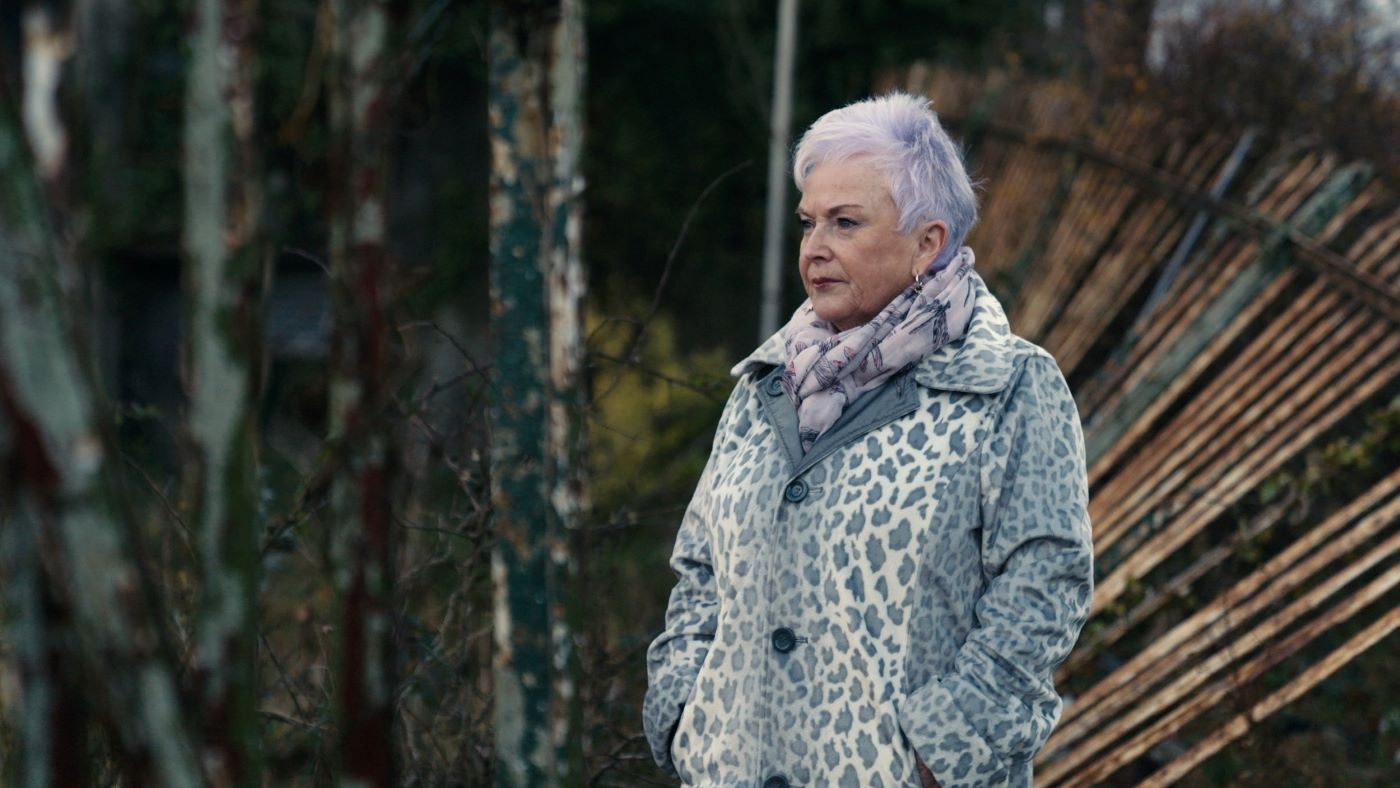
Keeping with Ireland’s long literary tradition, women recite poetry and readings in the empty, derelict buildings that were once the homes. In lesser hands, these readings may have felt forced. Instead, they add a poignancy – and an eeriness – to the documentary.
Not much is said about the nuns, who hover darkly over Stolen. We only learn that at a time when there were few options for women, joining a religious order offered security and status. But Harkin gives the film a strong framework, providing historical context, archival photographs and expert talking heads. The documentary’s strength, however, lies in the interviews with the survivors, whose stories are often complex and always moving. Harkin gives them a dignity that they were never afforded by church or state.
For a documentary like this to mean something, it needs more than facts, interviews and poetry. Stolen hits home with a mighty emotional wallop. It’s like a real-life version of The Handmaid’s Tale.
Eloquent and heartbreaking, Stolen will haunt you.
