


by Rowena Wright
Describing the curious effects of music in film, American composer Bernard Herrmann said that he felt that music on the screen can seek out and augment the inner thoughts of the character. A great soundtrack can do a lot, especially when the movie is a great piece of work by itself. It can boost narrative swiftly forward, or even slow it down. A well-intended track often lifts a plain dialogue into the realm of poetry. Finally, it is the conveying link between the screen and the audience, reaching out and encasing all into a sole experience.
For a long time, music, the world’s universal language, has been labeled as an essential component of the film industry and has developed into a stable element of the filmmaking industry. Renowned media psychologist and award-winning screenwriter Stuart Fischoff even claimed that film and music both resemble a united force in a work of art where one plays a visual role while the other is auditory. Given the important characteristics of a film, at some point music provides a narrative of scenes, conveys elements of the film set while accentuating the psychological states of the character as well as providing a collective mood or emotional tone to the viewer.
In 2020, film soundtracks have become synonymous with the Top 10 charts. But before A Star is Born or the The Greatest Showman, we have seen scores that have undoubtedly become attached to the cultural zeitgeist as they encapsulate moments that spoke to us years after the final credits roll. Whether it’s hasty guitars of the “Misirlou,” or the otherworldly trance in The Beach, many movies would be nowhere as exciting without those catch-able and memorable soundtracks.
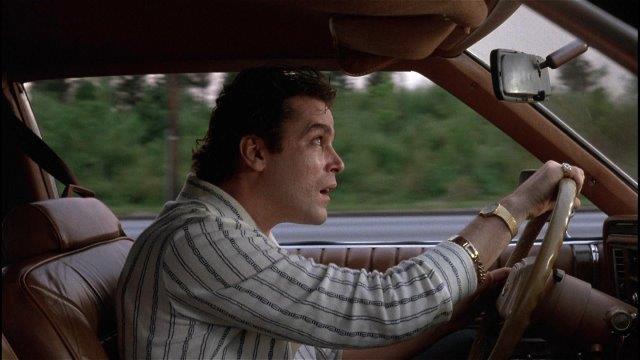
1. Goodfellas (1990)
Martin Scorsese came up with a series of strict rules for the soundtrack to his most enjoyed film Goodfellas. Martin Scorsese wanted each song to be around during the time in which the scene was set, and the track had to make some sort of remark on the character or on the scene. A vast collection of 48 songs are heard during Goodfellas, from classics such as Fred Astaire, Dean Martin, The Rolling Stone to The Who. One of the many unforgettable moments is when Bobby Darin’s “Beyond the Sea” plays while the Wise Guys prepare dinner, which was always considered “a big thing” in jail.
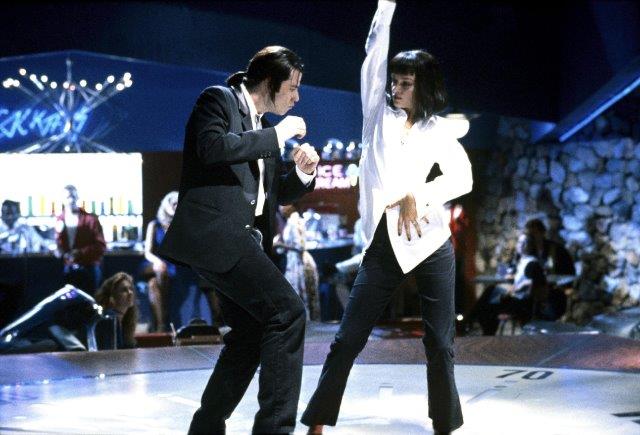
2. Pulp Fiction (1994)
The American filmmaker and actor Quentin Tarantino didn’t ask for a traditional film score for what is perhaps his most acclaimed creation, 1994’s Pulp Fiction. Instead, Tarantino mixed American surf music and classic rock and roll, as well as the classic Dick Dale’s “Misirlou” in the memorable opening scene. Believe it or not, this track was suggested to Tarantino by the experimental sound/noise musician Boy Blake Rice via their common friend Allison Anders.
“Misirlou” had such a great effect -reaching number 21 on the Billboard with over two million units sold by 1996. Shortly afterward, it was credited with “refreshing” surf rock and sparking a trend by promoters to use it in their commercials to help sell almost everything from toothpaste to burritos. Moreover, thanks to its famous dance scene with Mia Wallace and Vincent Vega, Chuck Berry’s song “You Never Can Tell” has also enjoyed a boom in popularity.
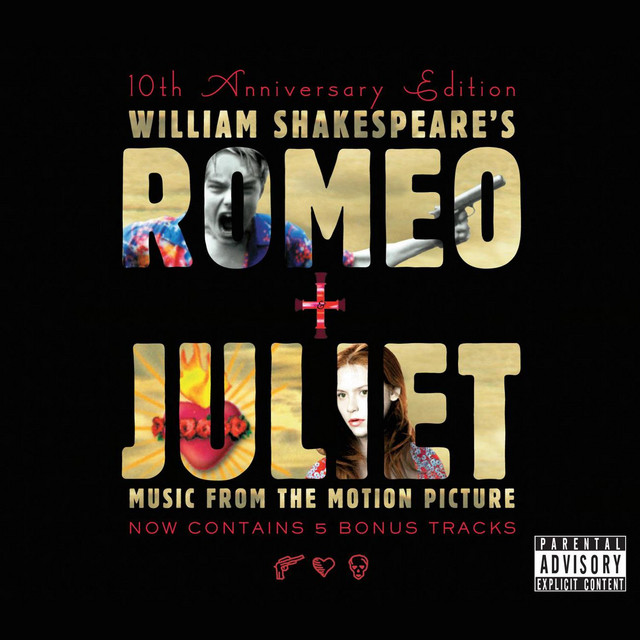
3. Romeo and Juliet (1996)
Former Massive Attack songwriter and producer Nelle Hooper is the brain master behind one of the most memorable movie soundtracks of all time. While others took vision directly from Shakespeare’s original text, Nelle Hooper, together with Scottish composer Craig Armstrong and Marius de Vries, experimented with many of the songs that ended up on the album by playing them at 5am at one of his many parties in his house in London. Royalty-free music creators at MelodyLoops explain that pretty much like the soundtracks for Trainspotting, Marie Antoinette, and Kill Bill, the enormous diversity of the songs we hear in Romeo and Juliet makes us recollect each song and even the scene where each is used years after seeing the movie.
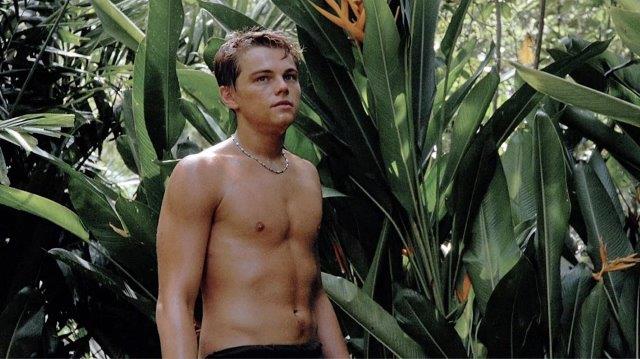
4. The Beach (2000)
An impossible to forget masterpiece, The Beach soundtrack is what gives this stunning film an otherworldly atmosphere, encapsulating the essence of the trance music often heard during Thai beach parties of the ’90s. The soundtracks were supervised by Pete Tong, who strongly affirmed that songs such as Dario G’s “Voices” and Moby’s “Porcelain” are what make the movie a satisfying and rewatchable art-piece.
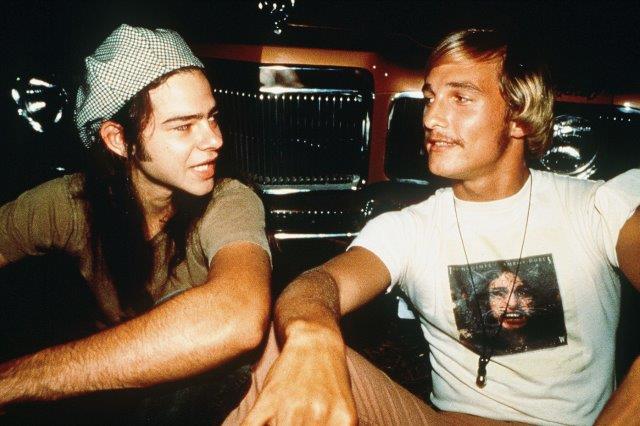 5. Dazed and Confused (1993)
Dazed and Confused is extremely relatable for today’s millennials even though they didn’t spend their teenage years riding in a 1975 Chevy El Camino. Film director Richard Linklater is largely responsible for the unforgettable soundtracks from Dazed and Confused as he tried to highlight an era of stoner jams and boisterous butt-rock anthems from Alice Cooper’s “School’s Out” to Ted Nugent’s “Stranglehold.”
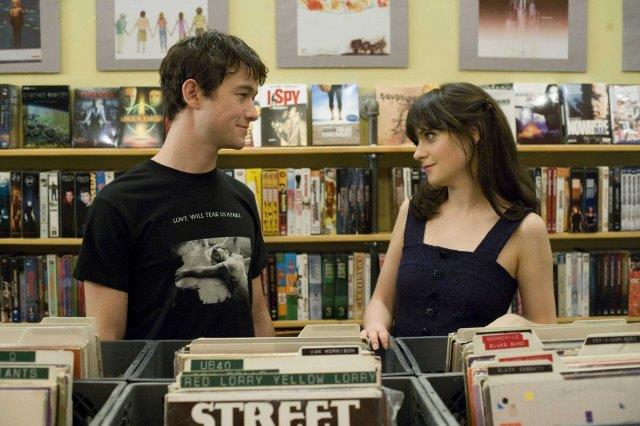
6. (500) Days of Summer (2009)
This non-conformist and strangely enjoyable romantic comedy has gained a cult status over the years for its unique view on the “boys meet girl” genre. Here, the world’s universal language is what drew the main characters Tom and Summer together shortly after Summer overhears the legendary The Smiths playing on Tom’s MP3 player. What is truly exciting when it comes to the relation of film and music is that each song we hear throughout the film mirrors different highs and lows the characters’ experience. All these could not be possible without director Marc Webb’s background music for indie-pop artists and Regina Spektor’s song “Hero” which suits impeccably when Tom realises his hopes of getting back with Summer are pointless.
There is no doubt that music can shape our lives. Musicologists and composers agree that the soundtrack in conventional films contributes to the narrative as it guides the audience in various ways, elevating and intensifying the experience of the film.
Main image: https://unsplash.com/photos/wejxKZ-9IZg
