

by Rachel V. | Film industry writer
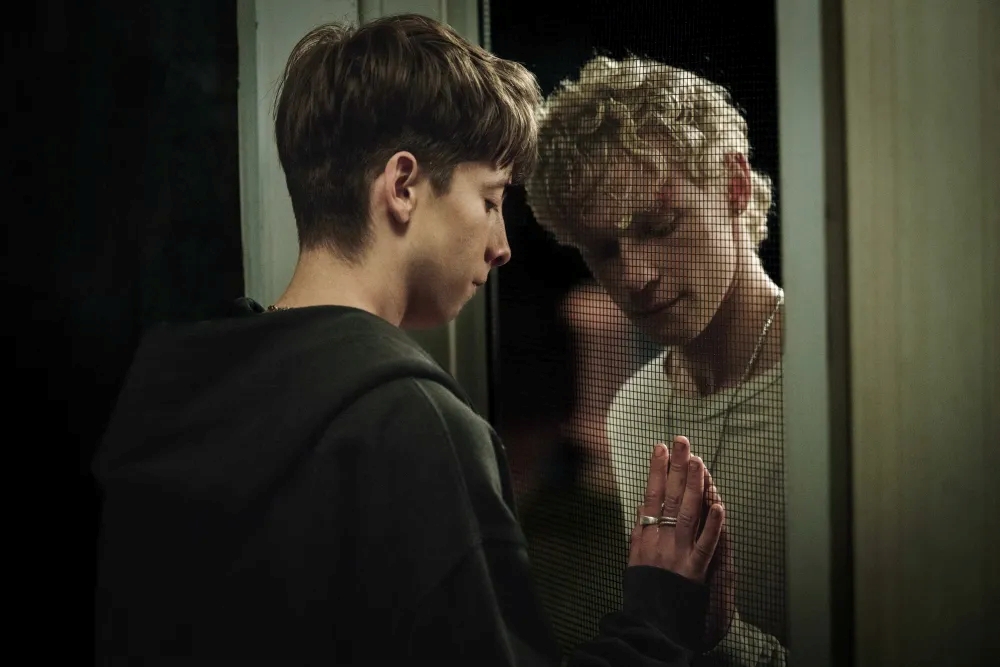
When Adrian Chiarella’s debut feature Leviticus landed at Sundance this year and walked out with a distribution deal from Neon, a lot of people in the Australian film community treated it as a fairy tale. It isn’t. It’s a roadmap. Chiarella’s path: Low-budget shoot, festival strategy, platform acquisition. This strategy is one that Screen Australia’s UNTAPPED 2026 initiative is now deliberately engineering at scale, identifying breakout directors and connecting them with international partners before a single cinema ticket is sold in Australia. The question the industry keeps circling back to is not whether digital-native distribution works. It clearly does. The real question is what that shift changes downstream. For audiences, for distributors, and for the economics of Australian storytelling.
The Money Moved Before the Audience Did
Screen Australia’s own Drama Report for 2024/25 tells the story in numbers that are hard to argue with. Of the $2.7 billion spent on drama production in Australia that year, streaming platforms, both local and global, now account for 73% of TV and VOD drama investment, a figure that would have seemed implausible a decade ago when the ABC and Network Ten still commanded the room. Theatrical feature expenditure, meanwhile, dropped sharply. This isn’t a cyclical dip. It reflects a structural reorientation in where the commissioning dollars sit.
For indie filmmakers, that reorientation is opportunity dressed up as disruption. The old path – shoot, submit to festivals, hope for an Australian distributor, get a limited theatrical run, wait eighteen months for streaming rights to clear – was always precarious. It’s now also slow in a way that feels almost incompatible with how audiences consume content. Platforms want library depth. They want to license finished films or commission directly. And they want them now, not after a regional theatrical window eats twelve months of the release calendar.
That same urgency around instant access and direct-to-platform delivery shows up in adjacent corners of Australian digital entertainment. PayID – the bank-direct instant payment system that settled 1.2 billion transactions in the 2023/24 financial year – has become the payment backbone for a wide range of digital leisure categories. Dotesports’ list of the best payid pokies in Australia is one prominent example of where that fast, frictionless payment behaviour has concentrated: audiences who’ve been trained by streaming to expect zero-wait access now carry that expectation across every category of digital entertainment. The infrastructure and the psychology are the same. Please gamble responsibly and within your means; visit BeGambleAware.org if you need support.
UNTAPPED and the Deliberate Factory of New Voices
Screen Australia’s UNTAPPED program isn’t new, but its 2026 iteration is its most explicitly international-facing yet. The initiative pairs emerging Australian directors with Australians in Film, a Los Angeles-based nonprofit, and gives selected participants access to studio meetings, mentorship from working industry professionals, and, critically, introductions to streaming platform executives at the development stage rather than after a film is already in the can.
That last detail matters more than it sounds. Getting in front of a platform acquisitions team with a project that’s still in development means a filmmaker can shape the work around what the platform actually needs. It’s not compromise. It’s strategy. Chiarella didn’t make Leviticus for Neon. But the film’s intimate scale, its festival-ready runtime, and its clearly defined tonal identity made it exactly the kind of acquisition a distributor like Neon wants in its catalogue. UNTAPPED 2026 is trying to teach that instinct systematically, not leave it to chance.
Six Australian filmmakers are participating in this year’s cohort. Their projects span drama, documentary, and genre work. Exactly the mix that gives streaming platforms the variety they need to retain subscribers across different taste profiles. Screen Australia is betting that at least some of those projects will follow the Leviticus trajectory: international premiere, distribution deal, Australian audiences watching at home on a Friday night.
What Traditional Distribution Is Actually Losing
None of this means Australian cinemas are emptying out. July 2026’s theatrical slate alone includes a new Christopher Nolan film and the latest Spider-Man entry, and those will fill seats the way they always have. Tentpole theatrical is not what’s under pressure.
What’s under pressure is the mid-tier. The Australian drama with a $4 million budget, a cast of recognisable local talent, and a story that matters here but won’t travel easily to North American multiplexes. That film used to find a home on the ABC or in a limited theatrical run at Cinema Nova and Palace Cinemas. Now it’s more likely to be pitched directly to Stan or Prime Video Australia, or to sit in development with a local production company that already has a first-look deal with a streaming platform.
Australia’s new streaming content quota legislation, which requires major SVOD platforms operating in the country to invest in qualifying local content, has accelerated this further. Netflix, Disney+, and Amazon now have a regulatory reason to fund Australian stories. And indie filmmakers who understand that regulatory framework are positioning their projects accordingly. The legislation doesn’t just create funding. It creates a buyer. And knowing who your buyer is before you call action on the first day of principal photography is a competitive advantage that earlier generations of Australian filmmakers didn’t have.
The cancellation of the 2026 Brisbane International Film Festival is a sharp reminder that not every structural support for Australian film is moving in the same direction. Festival culture – the circuit that gave filmmakers like Chiarella their first international audience – is genuinely fragile in ways that platform investment is not. BIFF’s collapse reflects the funding pressures that ScreenHub has been documenting for years: arts funding is discretionary, and state governments have other priorities. Streaming platform investment, by contrast, is driven by competitive commercial logic. It’s not altruistic, but it’s more reliable.
The Directors Watching This Shift Closely
Talk to any emerging Australian filmmaker in 2026 and a few names come up repeatedly in conversations about what a smart career path looks like. Chiarella, obviously. But also directors like Imogen McCluskey, whose short film work has been circulating on the international festival circuit, and Hannah Barlow, who co-directed Sissy with Kane Senes and has spoken publicly about the value of building an audience through platform availability rather than waiting for a theatrical breakthrough.
The pattern is consistent: build credibility through festivals, but think about the platform deal from day one. Don’t treat streaming as a fallback. Treat it as the primary market with theatrical as a prestige layer on top, if and when it’s available.
That inversion of the traditional hierarchy is the most significant cultural shift in Australian independent film right now. It’s not about the death of cinema. It’s about directors finally having structural options that match the speed of the audience.
FAQ
What is Screen Australia’s UNTAPPED program? UNTAPPED is a talent development initiative run jointly by Screen Australia and Australians in Film. It identifies emerging Australian directors and connects them with international industry professionals, studio executives, and streaming platform contacts. Primarily through access to Los Angeles-based networks during active development, not after a project is finished.
**How did the Leviticus Sundance deal come about?** Adrian Chiarella’s debut feature Leviticus screened at the Sundance Film Festival in 2026 and was acquired by Neon, the US distributor. The deal followed the film’s festival premiere and is widely seen as a model outcome for the digital-first distribution strategy that Screen Australia’s UNTAPPED program encourages.
Why are Australian streaming platforms increasing their local content investment? Australia introduced local content quota legislation requiring major SVOD platforms. Including Netflix, Disney+, and Amazon Prime Video. To invest in qualifying Australian drama and documentary content. This creates a direct commercial incentive for platforms to fund local projects and has opened new financing pathways for independent Australian filmmakers.
Does a streaming-first release hurt a film’s chances of a theatrical run? Not necessarily. Theatrical and streaming are increasingly complementary rather than competing. Some Australian indie films launch on streaming platforms and later receive limited theatrical runs through independent cinemas. Others use festival theatrical screenings to generate critical attention before a platform release. The hierarchy is shifting, but both windows still have value depending on the project.
What happened to the 2026 Brisbane International Film Festival? BIFF was cancelled in 2026, continuing a difficult period for festival infrastructure in Australia. The cancellation reflects broader arts funding pressures at the state government level and has renewed debate about how the Australian film community sustains the festival circuit that emerging directors rely on for early international exposure.
Rachel V. | Australian film industry writer and festival circuit regular. Covers Screen Australia funding rounds, emerging directors, and the business of local cinema. Published July 2026.
