



by Stephen Vagg
Most of us know The Salvation Army as those nice people who’ve been doing good works to help the less fortunate throughout the world. Less well known is the contribution made by the Salvos (as they are colloquially known) to the history of Australian showbusiness.
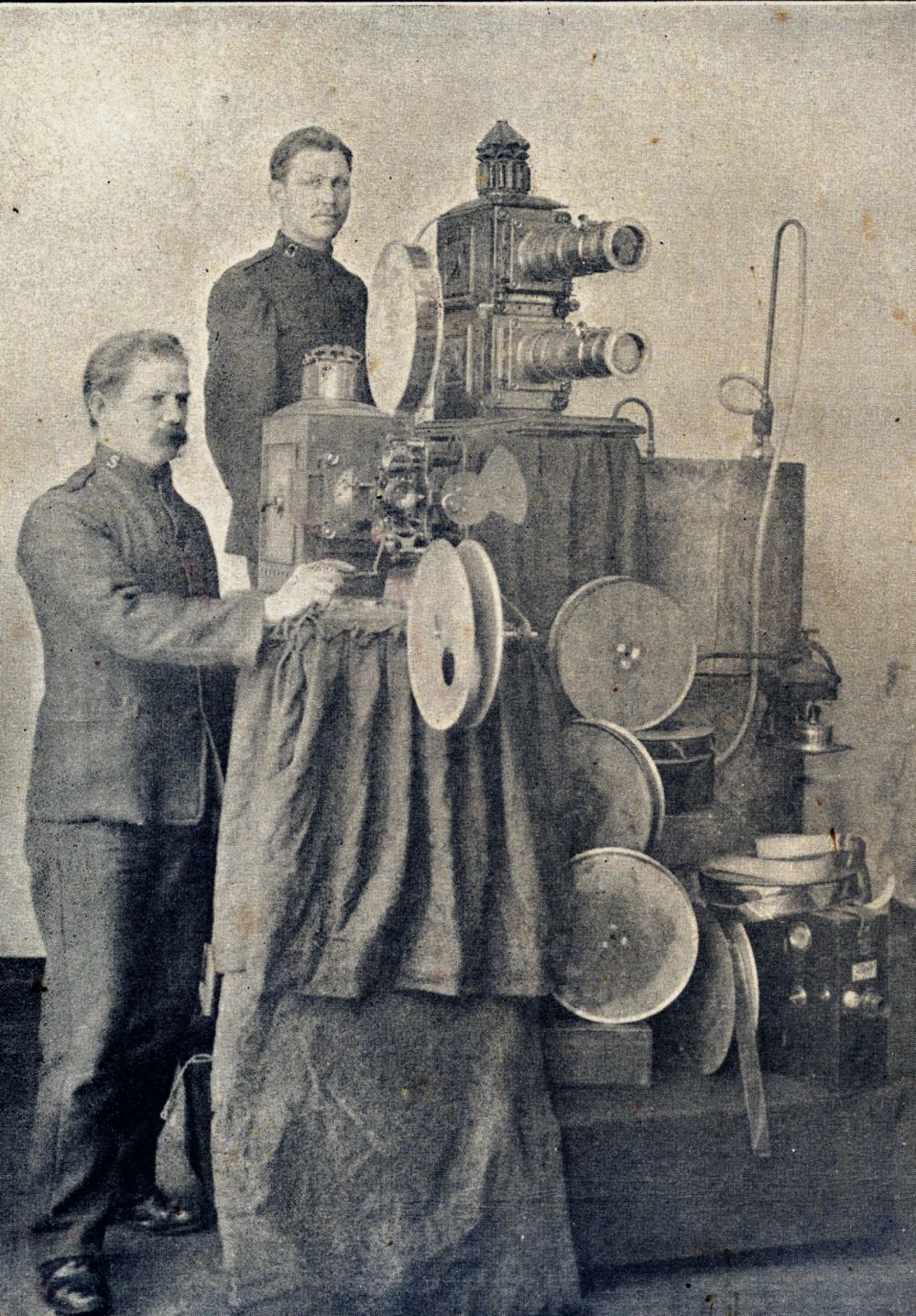
For almost two decades, the Salvos operated the Limelight Department, one of the world’s first film studios (established 1891), which produced over 400 films and documentaries out of its Melbourne base, including the pioneering multimedia epic, Soldiers of the Cross.
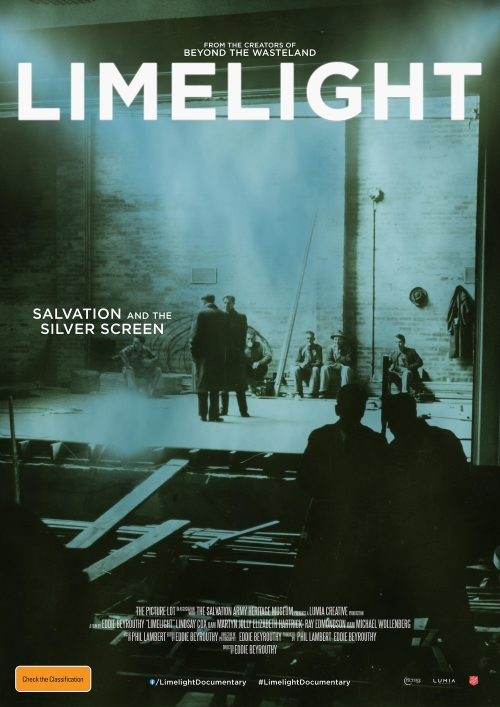
This remarkable story is the subject of a new Australian documentary Limelight: Salvation and the Silver Screen.
We spoke with the film’s director Eddie Beyrouthy.
Can you tell us about your background?
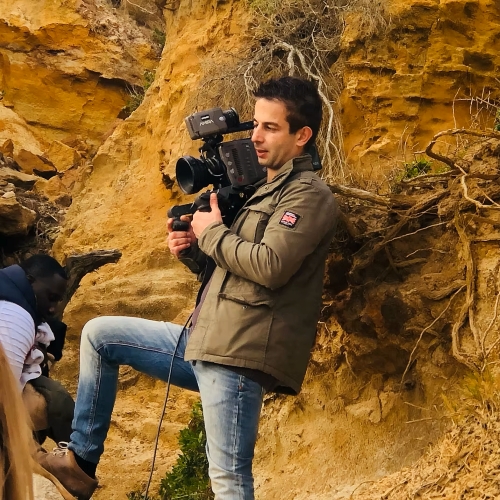
“I was born in Lebanon and migrated to Australia in 1991, an experience that shaped my perspective on culture, identity, and the power of storytelling. Growing up between two worlds gave me a deep appreciation for diverse voices and the importance of sharing stories that might otherwise go unheard. My passion for storytelling, visual media, and the moving image naturally led me to pursue a career in film, where I could explore human experiences and social issues through a creative lens. Over the past 20 years, I’ve worked as a Director and Cinematographer across a wide range of projects, from community-based stories to large-scale productions, always with a focus on authenticity and emotional truth.
“Currently, my main focus is on documentaries and feature films that highlight resilience, transformation, and positive change, using the camera as a tool to connect people, inspire empathy, and encourage dialogue across cultures.”
 What attracted you to this project?
“I visited the Limelight Museum in August 2024 with a friend who works for The Salvation Army and was immediately captivated by the studio’s rich history. I had no idea that the Limelight Department even existed, let alone the revolutionary influence it had on the birth of the film industry at the turn of the 19th century. Discovering that this incredible story had never been told through a feature documentary sparked something in me. My lifelong passion for photography, film equipment, art, and the moving image inspired me to embark on a journey to bring this untold story to life and share it with the world.”
There’s a lot of great images in Limelight. Can you tell us about that process?
“The process of upscaling the images was incredibly rewarding. Each magic lantern slide was individually filmed in 6K RAW using a macro lens, capturing an extraordinary level of detail once digitised. Some slides were also scanned, enhanced, and carefully colour graded to bring out their original beauty. Measuring around 6cm x 6cm, these slides have remarkably preserved their detail for over 120 years, and I wanted the audience to fully appreciate the craftsmanship and historical richness embedded in each one.”
How did new technology inform the production?
“New technology played a crucial role in shaping the production by allowing us to bring the Limelight Department’s century-old stories to life in ways that weren’t possible before. Modern techniques like concept art, photo recreation, and digital restoration allowed us to visualise events and experiences that had no surviving footage, bridging gaps in the historical record. These tools not only enhanced the visual storytelling but also helped immerse audiences in the history, creating a cinematic experience that honours the original work while using the full potential of today’s technology.”
There are some great voice-over acting. How did you cast them?
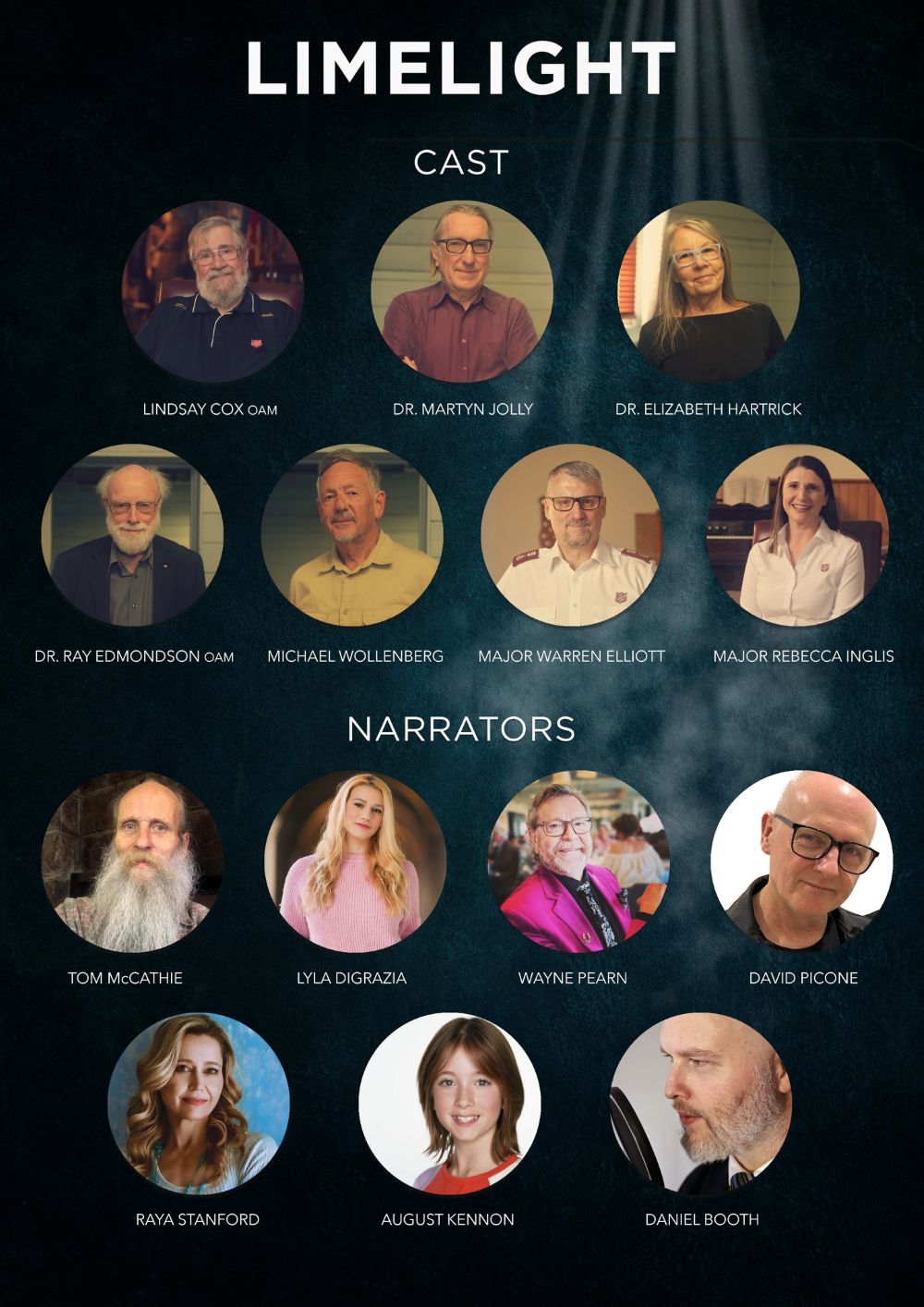
“The talented voice-over artists were actors I’ve known and collaborated with for many years. Most were theatrically trained, which brought a distinctive depth and authenticity to the historical characters they portrayed. It was certainly a challenge to match voices to figures from that era, but once the creative process began, everything fell into place, and we felt confident that we were honouring their stories with respect and pride.”
 What surprised you the most about making the film?
“The sheer volume of history documented and preserved at the museum far exceeded anything I could have imagined. Every display, artefact, and photograph seemed to hold a story waiting to be uncovered. Reading the personal accounts, experiences, and records of those who were part of the Limelight Department offered an intimate glimpse into a pivotal moment in both Australian and cinematic history. Yet, even after spending hours exploring, I felt I had only begun to scratch the surface of the incredible legacy housed there. The depth and care with which this history has been preserved continue to amaze and inspire me, reminding me of the importance of keeping these stories alive for future generations.”
Why did The Salvation Army have such a strong link to (for lack of a better word) show business?
“It recognised the power of visual and performing arts as tools for communication and outreach. The Limelight Department became one of the world’s first film production studios, using innovative media to spread The Salvation Army’s Christian and social messages. By producing films, stage productions, and lantern shows, The Salvation Army blended faith with creativity, making their moral and humanitarian campaigns more engaging and accessible.”
What impact do you think someone’s faith has on their ability/determination to tell a story?
“Faith can deeply influence a person’s drive to tell stories because belief in God often inspires a desire to share messages of hope, redemption, and meaning. For many filmmakers with strong faith, storytelling becomes a form of expression that connects their spiritual values with human experience. For me, the determination to create cinematic stories can stem from a wish to explore moral questions, reveal beauty in struggle, or show how faith shapes people’s lives.”
What parallels can you see between these movie efforts with their new technology and the current era?
“The Salvation Army’s use of film through the Limelight Department parallels today’s use of digital and social media to spread messages and engage audiences. Just as The Salvation Army embraced the emerging technology of film to reach people in innovative ways, platforms like YouTube, TikTok, and Virtual Reality connect with global audiences. Both eras show how new technologies can amplify storytelling, promote social causes, and make ideas more accessible. In each case, the goal remains the same, to use the most effective tools of the time to inspire, educate, and bring communities together.”
What projects do you have coming up?
“We are currently producing two documentaries: House of Lark, which tells the untold story of Bill Lark – the godfather of Australian whisky, and Variety: A Journey of Hope, a film celebrating the 50th anniversary of Variety Australia and the legacy of the iconic Variety Bash.”
Limelight is available for streaming from 19 November 2025 on digital platforms including Apple TV, Google Play, Amazon Prime, and Wonder. For more information on Limelight, head to the website.
