


by Dov Kornits
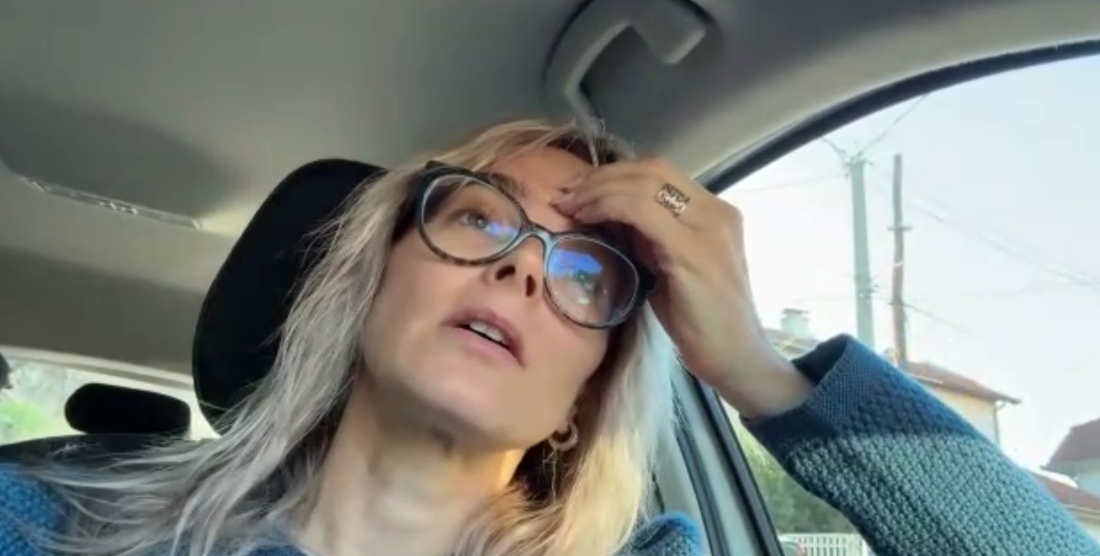
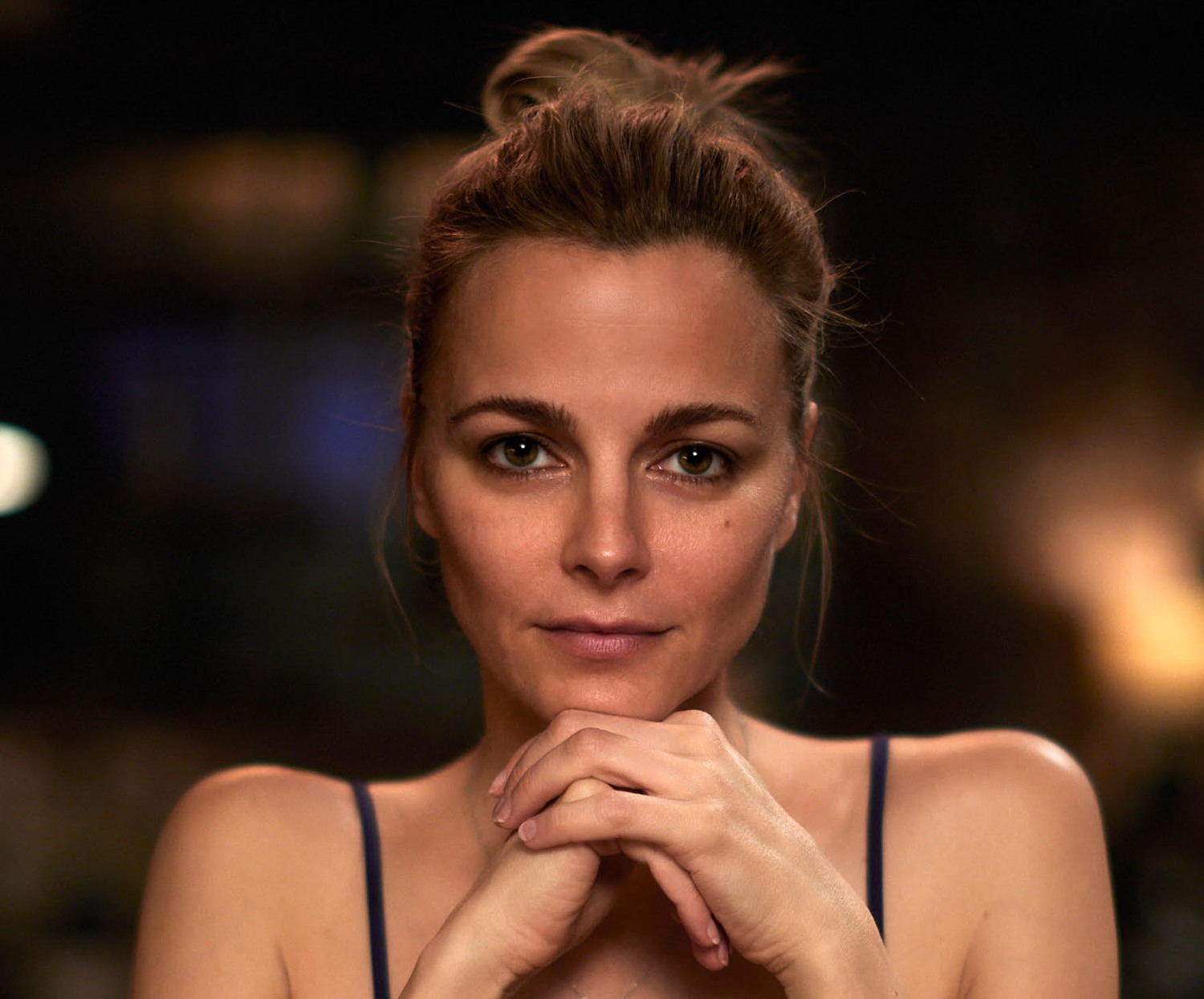
When we catch Bojana Novakovic, she’s in transit in Serbia. “Well, I was here shooting a Serbian film (Srdan Dragojevic’s International Women’s Day; “he can barely get money from Serbia because he’s so anti-regime [Vučić] that he gets no funds. It’s a co-production between Germany, Macedonia, Slovenia, Croatia, but filmed in Belgrade”) and then for the Sarajevo premiere of my documentary, The Forbidden Aunt. I come here once a year. Now I’m going to Sarajevo again for an ecosocialist conference where I’m a panelist. I’m closing the conference talking about international solidarity and ecosocialism, comrade,” she says self-aware but serious as ever.
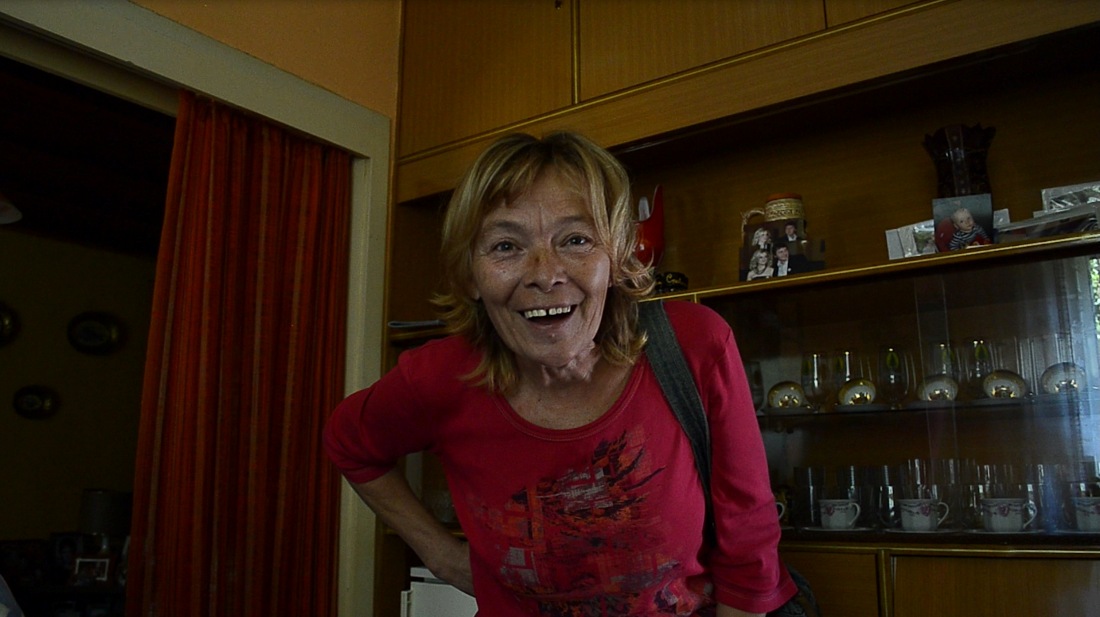
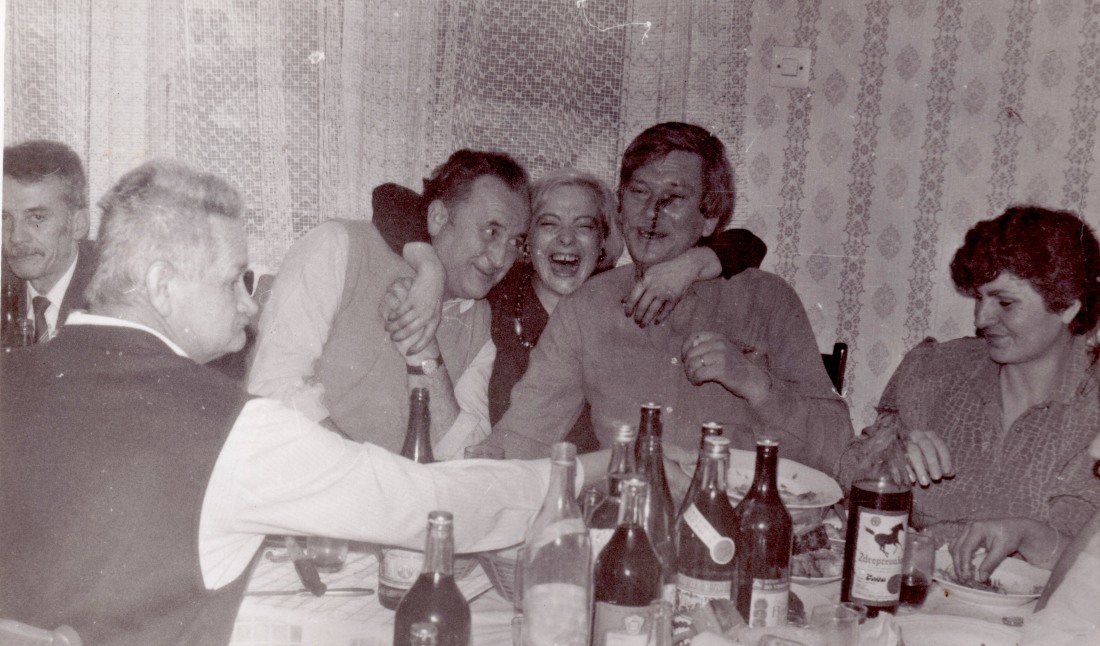
The Forbidden Aunt is a highly personal documentary for Novakovic, exploring her aunt Gordana [above]. What starts out as an investigation of that enigmatic aunt who her family tried to keep her away from turns into an exploration of trauma, abuse and resilience. In the film, we discover that Novakovic’s grandfather was an amateur actor. “I do think that there’s something about all of us wanting attention in specific ways,” she says.
Can you discuss some of your collaborators and mentors on The Forbidden Aunt?
“I brought Luke Doolan [editor on Animal Kingdom, among other credits] into the fold to mentor me. I bought a Canon 5D Mark II for photography because I love photography and it was the only full frame digital at that time, apart from Alexa, which was $20 million. So, I bought that camera and then I said to him, ‘I want to film a short film. Can I use it?’ And he basically explained to me how to format it, what to do, when to do it, et cetera. And then the camera broke and no one in Užice, which is the arse end of nowhere in Serbia, would lend me… There were two journalists who had one and they wouldn’t lend it to me. So then I had to go to a little Fuji shop and I found a Nikon. And then Luke helped me with that too. So, he basically explained to me how to film… And I had a couple of camcorders with me, little ones. He helped me with that remotely.
“And then the other person who really helped me is Kitty Green. I talked to her a lot. And then the other is Glenn Zipper, who’s a producer from the US. His first film [Undefeated] won an Oscar. He and his working partner, they really helped me. They were actually trying to help even get funding for the film. They watched it a few times, gave a few notes, introduced me to an editor who edited Tiger King, who then did a pass on the film. We had a foreign male editor who didn’t speak Serbian do a pass to make it clear to foreign audiences.
“I’m going to give a shout out here to Joel Edgerton. He’s always like, ‘you need to thank me for the film’. I had an edit of the film and there was just a gap in the middle of it. And it was just too dark. It was sort of about my aunt’s life and I didn’t know how to cover it, and I didn’t have enough photos and it just wasn’t working. It was too earnest. Then I was sitting with Joel complaining about that, a cup of tea between us, and I said, ‘She’s a really exciting, funny person and I’ve made this 20, 30 minutes of the film is just like a black hole. She swears and she loves Turkish soap operas. She’s told me her life could be a soap opera’. And then he said, ‘Oh, that’s an awesome idea. You should do that’. He goes, ‘didn’t you just say that you have this idea to do reenactments in the style of Turkish soap operas?’ I said, ‘Joel, those words never came out of my mouth’. He said, ‘No, I thought that you said it and it was your idea’.
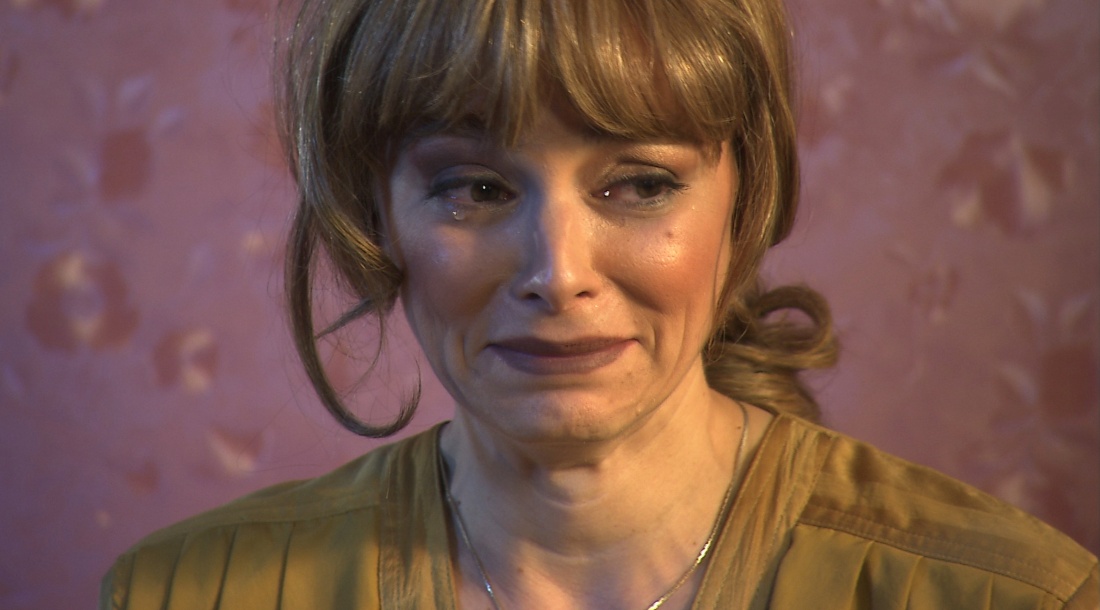
“I just love those moments in a creative process where no one can claim authorship, but actually who can claim authorship is Gordana because it all came from her, everything, the whole story.
“One of the really important mentors was Milan Stojanovic, the Serbian producer, who’s the only reason why the film exists. I was planning to make a short film. And then when I went there and started filming and my family started exposing these secrets to me and to each other, I thought, ‘well, this camera’s really helpful for them. It seems like they need to talk about this. I’ll just film it because if I wasn’t filming it, I don’t think they would’ve spoken about it, and then I’ll just destroy the footage’. I showed Milan the footage and he said, ‘Bojana, you shouldn’t just make a short film. This is a really important issue regionally, and I think it can make a real difference, and I think you should make it a feature’.”
Can you discuss how and why you seem to have a foot in both Serbian and Australia cultures?
“Firstly, we always spoke Serbian at home. When the war started, I didn’t even know the difference between Serbian, Croatian and Bosnian. I just knew I was Yugoslavian, so it took a while to understand that there were differences. But I always felt like a Yugoslav or a Serbian. We moved to Australia when I was seven. We went back when I was eight, and then the war started after that, so we didn’t go back for eight years. But then since then, I’ve been back every year or every other year. And now, because of the environmental campaign, I come back for four to five months of the year. So, it’s like I live half the year here. My friends are here, family, and I don’t think I’ve ever not considered myself Serbian.
“I remember when I was nominated for my first AFI (for the extraordinary Marking Time). I would never play that role today because that wouldn’t be allowed, but they couldn’t find a Muslim actress who would do it. I remember all of the Serbian community were like, ‘you’re never going to win because of your name’. I remember when they read my name and they read it correctly, and I was like, ‘oh my God, they got my name right’. But I’ll tell you something, at drama school at NIDA, and this would never happen today because it wouldn’t be allowed, but whenever I over-enunciated, the teachers would say to me, ‘we’ve got to get the Eastern European out of you’. But now the trend is, no, keep the Eastern European in because the special thing about you is that which makes you different, right?
“I’ve never ever relinquished the roots. I’ve always felt part of it. I think when people in Australia ask me where I’m from … I always say I’m Serbian or Yugoslavian. When people here ask me where I’m from or where I live, I say Australia.”
The Forbidden Aunt screens at the Adelaide Film Festival, more here.
