


By Dov Kornits
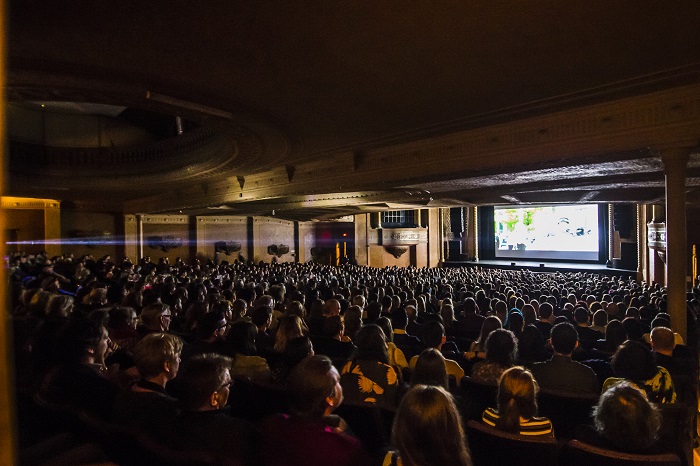
“It’s my first year as Festival Director and gee, I’m chuffed,” says Richard Sowada on The St. Kilda Film Festival’s website. He’s got good reason to be too: it’s Australia’s largest and longest running short film festival, and it also just happens to unspool in one of the most vibrant, richly artistic and, well, coolest suburbs in Australia. Usually anchored at the legendary Palais Theatre, this year’s festival will obviously be different, thanks to the insidious spread of COVID-19. Like practically all of Australia’s other film festivals, St. Kilda is heading online this year. There will, however, be the Top 100 Australian short films that audiences have come to expect, along with panel discussions, Q&As and all manner of associated online events. There will also be special programmes on indigenous activist and figurehead Gary Foley and the early work of the great Jane Campion.
It’s a big year of change for The St. Kilda Film Festival. Along with the changes wrought and forced by COVID-19, 2020 also represents Sowada’s first year at the helm. He steps into the very large shoes of Paul Harris, who previously ran the show for an extraordinary 21 years. Sowada, however, is no newbie. On the Australian film scene for over two decades, he founded The Revelation Perth International Film Festival in 1997, and continues to serve as festival director. A long serving soldier for local cinema, Sowada walked into an unexpected battlefield when he took the job with The St. Kilda Film Festival…

Your first year and this happens! I guess it’s an opportunity for you to put a stamp on the festival after Paul Harris has been running it for so many years…
It totally is. When I was talking to [festival organisers] The City Of Port Philip in the early stages, they said, ‘We’d really like you to think in innovative ways about the festival: how to reach audiences, how to develop the event, and how to think about it a little bit differently.’ That gave me free rein. Paul left the event in tip top shape. Structurally, it was great. Audience wise, everyone loves it. Within the industry, everyone loves it. There’s nothing wrong with the event. But they gave me so much room. It was like, ‘Okay. Right. Here it is, give it a crack.’
We were programming it differently. We wanted to present it in a different way. I was trying to inject a little bit more rock and roll into the event, and a little bit of subversion. Then COVID-19 happened, which was interesting for us, because we were already in the mind of changing things and approaching things in a different way. We were actually already in that rhythm of thinking about the festival in a different way. But suddenly we had to think about it in a radically different way. But we were already halfway there, which was great. Taking it online was an obvious step, but we were ready for it. We moved into it really quickly, but it’s not just about the technology of moving online. How do you translate the energy of the festival and how do you translate the context that would build around the films? How do you translate that online? That was an interesting, creative point for all of us involved in the festival. We had the material, so it was all about presenting the idea and the concept and the spirit in a different way.
So, how is that done?
It’s done through the journey of the program, and the way that the program is curated. It’s not programmed, it’s curated. The films all work together in their programs; each of those films talk to each other, just like a shot in an actual movie would do with the next shot or the shot before it. Each of the programs have an internal logic; you can see a logic and a story and a context. You can see that in a micro-level, in just the one session, or you can see it in the macro when you look at the entire program. The key art is part of it, but it’s really about the creative journey and the creative interpretation of all these films put together in such a way that the audience can have the sense of a journey through contemporary Australian short film. We were doing that already. It was very fortunate that we were thinking in that way, otherwise we’d just have a bunch of short films slammed together. This way we have a story.
Did it take a while to wrap your head around the idea of giving it all away for free?
No. That was just an immediate thing. That was The City Of Port Phillip; they were very committed to supporting arts and artists and music and all kinds of underground and street level activity. They said straight off the bat, ‘Okay. Refund everyone’s money.’ That’s a good amount of money. We get close to 700 entries for the film festival, so that’s a good amount of money. And then the question was, ‘Okay, is this going to be free or are we going to charge?’ Offering the streams for free, that just rolled straight out. So it’s like, ‘What can we do to support the community and what can we do to support the filmmakers?’ We’re paying the filmmakers as well, for their involvement in the festival, which is just unheard of. That comes out of a budget that we didn’t have. But there was no question about it. That was a very simple decision.
With it being online, is it a problem that the films will be available to watch Australia wide…
We got the opinions of the filmmakers first, and then we built a structure around what was best for them. That worked really well. They were really super involved. We took on board everything that they said and built the program around that. We had a very, very small amount of filmmakers who decided not to participate based on it growing to a national audience, because traditionally the film festival sector is very delineated. And when you go out to a national audience, obviously you lose that territoriality, which is actually a really, really good step forward in the industry, I think. Just quite aside from everything else.
The filmmakers really went with that. They know that the life of that film on the film festival circuit is about a year, and you can take the opportunity when it happens or you can hold off. There is no guarantee that the film will have a life beyond this year, which is just the way that it is. So they were really, really happy to be part of the event and really happy that the films, in most part, were going nationally. That’s great for us and really great for the filmmakers. It’s great too for audiences, particularly those in the bush. It’s a win/win really, despite the challenges.
That also means that you’re not necessarily getting Victorian premieres for some of the films, but I guess that wasn’t important to you guys?
No, no. That whole premiere status holds the industry back, and that is just demonstrated right now. There’s a lot of things demonstrated in this moment, which is just that old way of thinking, an old way of thinking pre-COVID, but it takes something like this for people to look at what they’re doing.
Were the Gary Foley and Jane Campion programs devised before or after COVID-19?
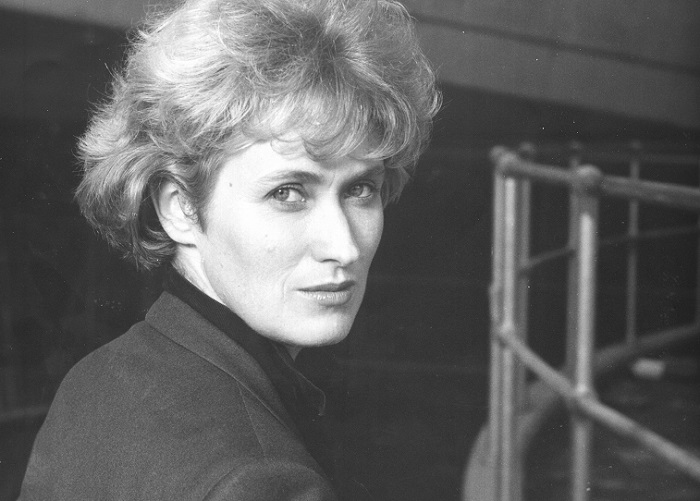
It was pre-COVID. I was wanting to explore ideas of advocacy, protest and youth…that kind of energy. We went straight to Gary Foley right from the beginning. With Jane Campion, I was actually hoping to do a Phil Noyce thing. We wanted to screen them on 16mm and have that true analogue authenticity behind all of those works. And we weren’t able to do that. I got thinking about Jane Campion and thought that her films were so great. Jane was in the mix, and Jan Chapman and Phil Noyce were in the mix. I was thinking of integrating them all into a singular program because they did really great Vietnam protest films, and really fantastic experimental films from back in the day. I had them all in the one program and then as COVID happened, I drifted away from Noyce, which became the Gary Foley program, and then went with Jane Campion, because these films are just awesome. So we got the best of both worlds: we have Noyce, Foley and Campion.
For all information about The St. Kilda Film Festival, head to the official website.
