



by FIlmInk Staff
More US film and television projects are turning to Australia for post-production, visual effects and finishing work, a trend that has helped drive significant growth for Australian post-production and VFX studio KOJO.
As KOJO celebrates its 30th anniversary this month, the company says North American clients now account for half of its revenue, following a 25 per cent increase in US business over the past three years.
Founded by Dale Roberts and Marty Pepper in 1996, KOJO has put its stamp on more than 120 film and television productions and has become one of Australia’s longest-running post-production and VFX studios.
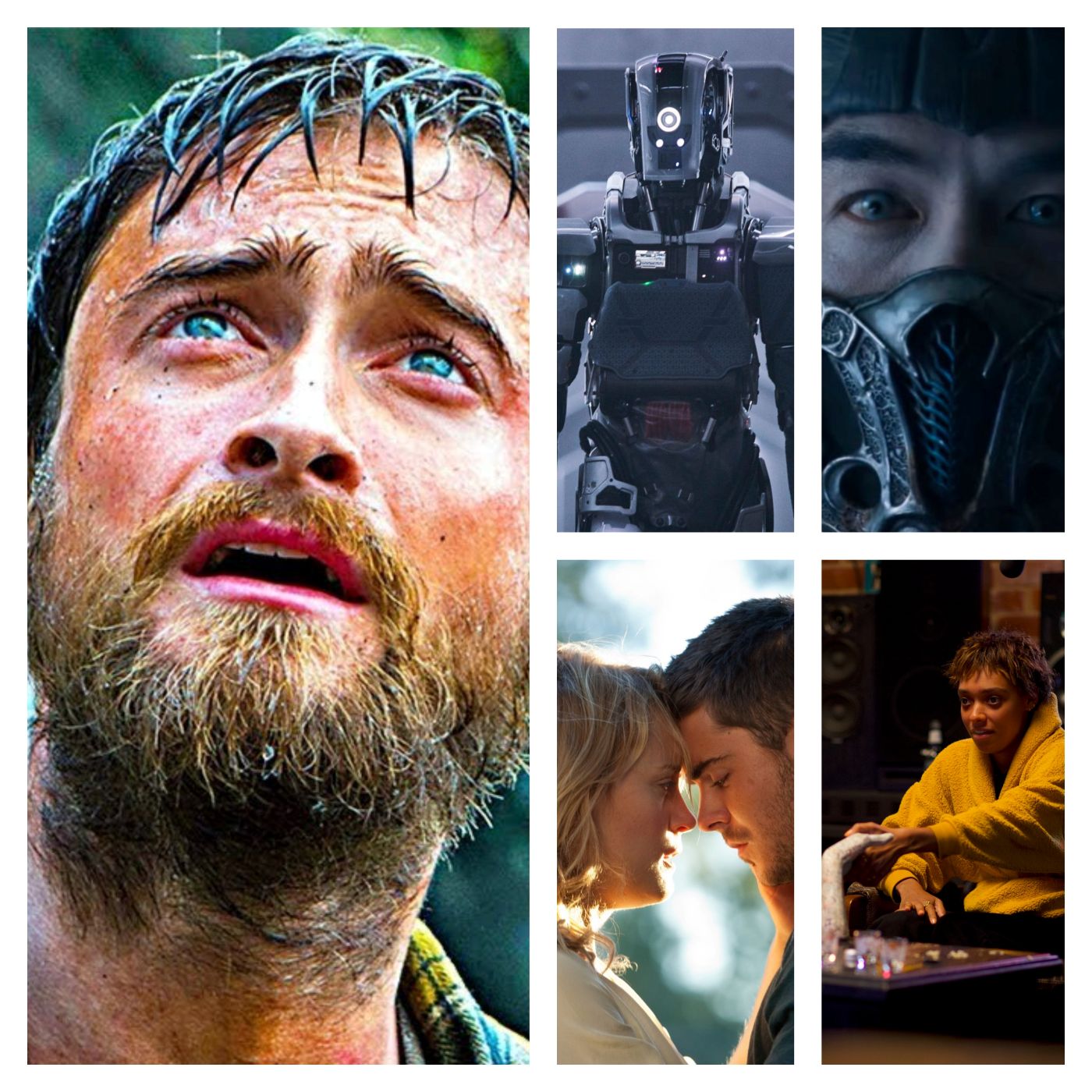
Recent hit credits include Talk To Me, Bring Her Back, Jimpa, Territory, War Machine and Send Help, alongside the highly anticipated Leviticus. These join an extensive catalogue that includes Wolf Creek 1 & 2, The Babadook, Hotel Mumbai, I Am Mother, No Reservations, The Lucky One and Mortal Kombat.
KOJO CEO and Co-Founder Dale Roberts said the economics of modern filmmaking are reshaping global production workflows. “Australia has become an increasingly attractive destination for post-production because it offers a compelling combination of creative expertise and financial advantages,” Roberts said.
“US producers can benefit from Australia’s competitive exchange rate and government incentive programs, including rebates of up to 45 per cent. When combined with our highly experienced and reliable talent, it creates a very strong value proposition.”
Roberts said KOJO is seeing a growing number of productions follow what the company calls the “Big Triangle” model. “We’re increasingly working on projects where films and series are shot in locations like Eastern Europe or the Middle East, while post-production, colour grading, VFX and delivery are completed in Australia,” he said.
“For producers, it’s an efficient way to stretch budgets without compromising quality, while creating significant opportunities for Australian post-production businesses through both world-class capability and a time zone advantage that enables end-of-day requests from international markets to be progressed overnight, supporting a near 24-hour production workflow.”
Roberts credits the company’s longevity to its relationships with filmmakers. “We’ve spent decades collaborating with exceptional directors and storytellers, from the sweeping cinematic work of Scott Hicks and the genre-defining horror of Greg McLean to the fearless storytelling of Jennifer Kent and the global success of Danny and Michael Philippou,” he said.
“Those relationships are built on trust, consistency and a shared commitment to the craft. In an industry that changes constantly, those foundations matter.”
Looking ahead, Roberts believes Australia is well positioned to play an even larger role in the global production ecosystem. “As the screen industry evolves, we’re focused on continuing to invest in talent, technology and creative excellence. The opportunity for Australia is enormous, and we want KOJO to remain the partner of choice for ambitious productions looking for world-class post-production.”
Now part of PMY Group, KOJO enters its fourth decade with a continued focus on supporting global storytellers, advancing Australian screen capability and delivering world-class content to audiences around the world.
