



by FilmInk Staff
Blackmagic Design cameras expertly capture documentary while delivering cinematic recreations.
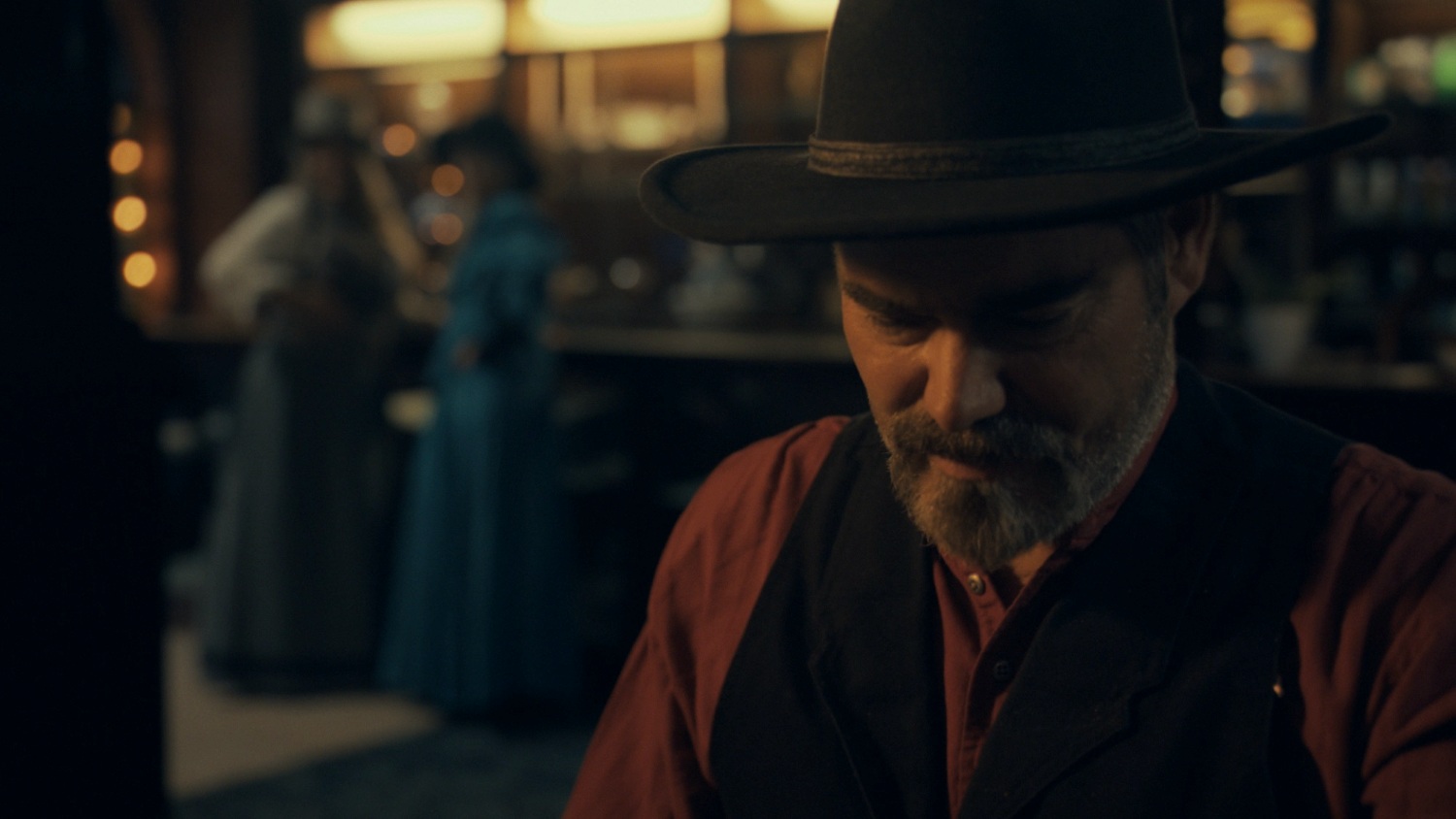
Blackmagic Design announced that the documentary Ghosts of the Gold Rush was captured with Blackmagic PYXIS 6K and Blackmagic Cinema Camera 6K digital film cameras. From Black Hollow Pictures, the creators of the hit reality series Haunted Discoveries, the film explores the dark side of California’s Gold Rush via notorious towns, abandoned mines and historic landmarks, blending documentary style footage with cinematic historical recreations.
“Ghosts of the Gold Rush was the perfect opportunity for me to explore the legends and folklore surrounding Gold Country,” began Brandon Alvis, the film’s director, producer and editor. “Through conversations with local experts, the film investigates stories ranging from the tragic Argonaut Mine disaster and the hauntings associated with the Historic Cary House Hotel to the chilling Weber family murders. Together, these stories reveal how the region’s history continues to live on through the people, places and legends of California’s Gold Country.
“We chose the cameras because of Blackmagic Design’s reliability and the adaptability across the project’s different production styles,” Alvis added. “The cameras allowed us to move quickly in run and gun documentary environments while also giving us the image quality and control needed for the film’s more cinematic historical recreations. The dynamic range, Blackmagic RAW codec and proxy workflow provided flexibility in the field and made the transition into editing and color grading in DaVinci Resolve Studio extremely intuitive.”
With both cameras rigged in Tilta cages, the team primarily used Sigma 28-105mm F2.8 and Sigma 28–45mm F1.8 DG DN Art lenses, again providing a versatile combination for both run and gun documentary coverage and more controlled historical recreations.
From the golden hills of Jackson to the historic downtowns of Placerville and Auburn, and from courthouses to mining shafts, abandoned mining camps and solemn graveyards, a wide variety of locations put the cameras to the test. “Early morning light, nighttime darkness, exposed brick buildings, an Orthodox Christian church with multi coloured frescos; it’s hard to get a bad shot in Northern California. I can’t count the number of times I looked into the cameras’ viewfinders and was stunned by just how good the image looked,” said Mustafa Gatollari, the documentary’s co producer.
“The PYXIS Monitor, in conjunction with the camera’s built in screen, was extremely convenient to assess shots immediately and adjust settings with the touchscreen. The portability of the Cinema Camera 6K made getting B roll and capturing on the move interviews painless,” Gatollari added.
“I distinctly remember walking through Auburn on our last night of filming and being in awe of how the glow on local neon signs was picked up on the Cinema Camera 6K. And this was before color grading,” Gatollari continued. “At the Auburn Odd Fellows Lodge, our interviewees were set up in the middle of the expansive hall. The glow of the lamps in the background and how it bounced off the dark red leather and brown furniture stuck with me long after filming.”
“Some of my favourite images came from the historical recreations,” said Alvis. “One was of Alma Bell, confined in the women’s cell at the historic Auburn Courthouse. We framed her through the cell bars, using warm, directional light and shadow to create a sense of isolation and confinement. Another favorite was the silhouette of a woman in mourning beside a gravestone in the Auburn Cemetery, captured against the fading golden light. Both shots have a quiet, haunting quality that reflects the emotional tone we wanted for the film.”
Alvis noted that working within Blackmagic Design’s colour space helped the team achieve a rich, visually cohesive look across all the different types of footage. “Having the entire DaVinci Resolve Studio toolset in one application was also a major advantage,” Alvis added. “Moving seamlessly between editing, color grading and audio post made the workflow significantly more efficient than other platforms.
Alvis also cited DaVinci Resolve Studio’s AI toolset as adding to the team’s efficiency: “We used AI based audio tools to clean up a few moments where the microphones picked up clothing rustle, helping us preserve the original performances and maintain clear, natural sounding dialogue.
“When I first met Brandon on Ghost Hunters, I was captivated by the American Paranormal Research Association’s goal in utilising supernatural research as a means of reconnecting people with history in an intriguing, tangible and human way,” concluded Gatollari. “Brandon’s vision aligned with mine in that telling these stories in beautiful, cinematic formats is the best way to accomplish that goal. Artistic expression enhances how these stories are shared.”
Ghosts of the Gold Rush will premiere at the historic Kennedy Gold Mine on November 7, 2026.
About Blackmagic Design
Blackmagic Design creates the world’s highest quality video editing products, digital film cameras, color correctors, video converters, video monitoring, routers, live production switchers, disk recorders, waveform monitors and real time film scanners for the feature film, post production and television broadcast industries. Blackmagic Design’s DeckLink capture cards launched a revolution in quality and affordability in post production, while the company’s Emmy™ award winning DaVinci color correction products have dominated the television and film industry since 1984. Blackmagic Design continues ground breaking innovations including 6G-SDI and 12G-SDI products and stereoscopic 3D and Ultra HD workflows. Founded by world leading post production editors and engineers, Blackmagic Design has offices in the USA, UK, Japan, Singapore and Australia. For more information, please go to www.blackmagicdesign.com/au.
