


by FilmInk Staff
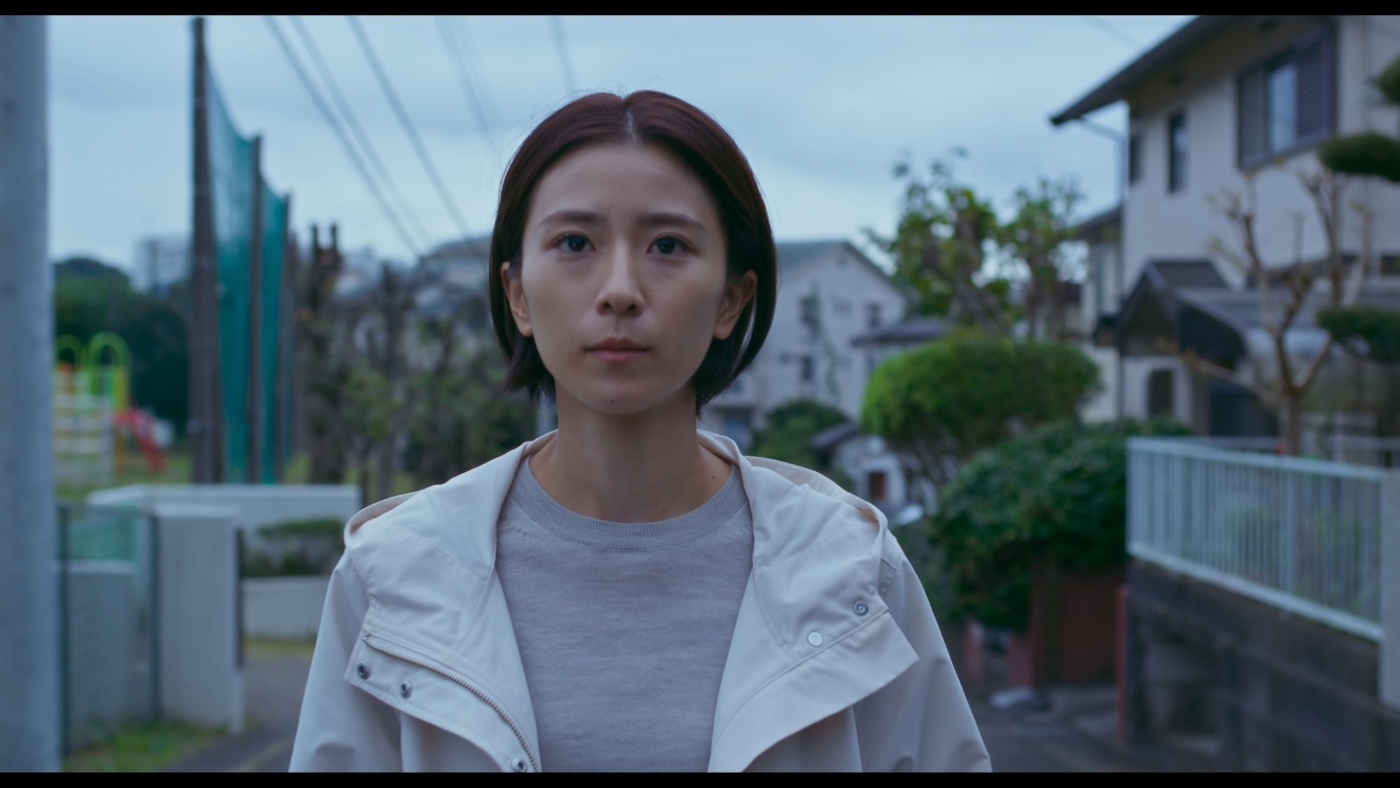
Blackmagic Design announce that Blackmagic PYXIS 6K digital film camera was used to shoot acclaimed director Takahisa Zeze’s latest feature film Cry Out, with grading completed using DaVinci Resolve Studio and DaVinci Resolve Mini Panel.
“Cry Out” is a mystery drama based on the bestselling novel of the same name by celebrated author Kanae Minato. The film tells a story of guilt and hope among people living through harsh circumstances. The cast is led by Yuina Kuroshima, alongside renowned actors Nanami Yamazaki, Tori Matsuzaka and Keiko Kitagawa.
Cinematography was handled by Kenta Tawara, who has worked extensively with Zeze throughout his career. For this production, the PYXIS 6K was primarily used for gimbal work and long takes, while color grading was completed by Colorist Takeshi Kuramori of Imagica Entertainment Media Services Inc.
Tawara explained: “This film contains many tense scenes, so I wanted to reduce setup time as much as possible. That led me to choose a lightweight, highly mobile camera, and PYXIS 6K was the ideal fit. I was already a Blackmagic Pocket Cinema Camera 6K Pro user, and I trust Blackmagic Design cameras because of their broad colour reproduction and excellent skin tone rendering. For this project, I focused on achieving transparent skin tones that would allow characters to stand out even in darker scenes.”
For gimbal shooting, the PYXIS 6K played a key role in dynamic tracking shots and scenes requiring extended operation with significant movement.
“Because PYXIS is so lightweight, even with heavier lenses attached, it stayed within the gimbal’s payload capacity, giving me much greater freedom in lens selection. In scenes where I followed actors running through school hallways, I handheld the gimbal while riding on a dolly to prevent my footsteps or small vibrations from being captured,” said Tawara.
The PYXIS 6K was also effectively used in scenes depicting Dreamland, a symbolic amusement park within the story that represents an aspirational escape for young girls living in difficult environments.
“For these scenes, I used a Black Pro-Mist Filter to diffuse the light and create a dreamlike atmosphere. Since these sequences exist somewhat outside the main narrative, I differentiated them with a more fantastical visual tone,” noted Tawara.
For critical scenes where reshoots were impossible, dual camera setups were employed.
“There were several scenes shot with two cameras, but especially during the climax, where props were actually being burned, there were moments we couldn’t redo. The performances were also extremely intense, and using only one camera would have required resetting angles and asking actors to repeat emotionally demanding scenes. To preserve that tension, I used PYXIS 6K alongside another camera to capture two angles simultaneously,” explained Tawara.
The film’s narrative unfolds across three distinct regions and timelines: Tokyo, Nara and Mie. To maintain narrative cohesion while visually distinguishing each setting and timeframe, Tawara and colorist Kuramori designed separate looks for each location.
“We used three different LUTs depending on the shooting location. In the Mie scenes, the ocean is a recurring symbolic backdrop, so we emphasized its vivid blue tones. For Tokyo, we increased saturation and added warmth with stronger reds. Nara represents the present timeline, so we reduced overall saturation and introduced cyan tones into the shadows to create a more introspective atmosphere,” Tawara said.
About Blackmagic Design
Blackmagic Design creates the world’s highest quality video editing products, digital film cameras, colour correctors, video converters, video monitoring, routers, live production switchers, disk recorders, waveform monitors and real time film scanners for the feature film, post production and television broadcast industries. Blackmagic Design’s DeckLink capture cards launched a revolution in quality and affordability in post production, while the company’s Emmy™ award winning DaVinci colour correction products have dominated the television and film industry since 1984. Blackmagic Design continues ground breaking innovations including 6G-SDI and 12G-SDI products and stereoscopic 3D and Ultra HD workflows. Founded by world leading post production editors and engineers, Blackmagic Design has offices in the USA, UK, Japan, Singapore and Australia. For more information, please go to www.blackmagicdesign.com/au.
