



by Constance Fan
Cinema’s been obsessed with risk for ages. Smoky backrooms. Neon casino floors. Desperate players. Films about gambling pull audiences in hard because they tap into something real: the thrill of watching people push everything onto the line. Check out what real people who play at the best online casino in Australia and anywhere else in the world say and compare that to what is on the screen, and you’ll find that same collision between strategy and luck that makes us sit on the edge of our seats.
Here’s the thing: these films work because they’re not really about the cards. They’re about what those cards represent. Filmmakers dig into how people actually behave when the stakes shoot up. Films tap into our love of money, sure. Also our fear. But mostly they obsess over watching people stupid or brave enough (or both?) burn everything down chasing something crazy. These flicks let you feel the rush associated with wagering without your bank account taking the hit. Only your nerves get wrecked.
What Makes Gambling Stories So Captivating
Here’s why these narratives grab us: they’re built on a simple equation. One choice equals total ruin or life-changing wealth. We’re locked in because the ending’s invisible. That alone keeps most viewers glued. When a character dumps their last stack onto the table, your stomach drops. There’s real tension there.
Watching bad decisions unfold under pressure? That feels less terrifying than living through it yourself. You get the panic. The rush. All the ‘‘what ifs’’ bouncing around in your head. Money stays safe in your pocket though. Filmmakers know this. They stretch these moments out with slow-motion shots, tight close-ups on faces, and heavy silence. Suddenly you’re completely invested in whether a fictional person draws the right card.
The Psychology of Uncertainty and Suspense
Your brain wants patterns. It wants to predict what comes next. That’s exactly why unpredictable outcomes mess with us so effectively on screen. A spinning roulette wheel? A hidden card? Your brain can’t rest. It’s forced to stay locked in because nothing is certain.
The real genius happens before the result. Directors build tension by making you wait. They know a near miss triggers the same psychological response as an actual win, which is why characters falling just short of a massive payout hits so hard. That “what if” feeling keeps audiences desperate for the next attempt.
The Attraction of Winning Against the Odds
Everyone loves an underdog story, right? There’s something deeply satisfying about watching an ordinary person take down a rigged system using pure wit. The gaming table becomes this great equaliser where money and status don’t automatically win. That resonates because most of us feel like we’re fighting against bigger forces.
The fantasy is addictive too. Audiences secretly hope that one brilliant evening could rewrite their entire financial situation. Films tap directly into that daydream, showing scenarios where a single decision changes everything. But the best ones balance this hope with consequence. They show what happens when people lose, which keeps things grounded and actually dramatic.
Here’s what makes certain films stick:
| Film | The Core Risk | What It’s Really About |
| Casino Royale | High-stakes poker against a terrorist financier | Total emotional control under pressure |
| Rounders | Underground poker with serious money | Brotherhood, redemption, finding your way back |
| The Gambler | Self-destructive betting that spirals | How obsession destroys everything around you |
| 21 | Card counting to beat blackjack | Using intelligence against institutional power |
Memorable Characters and Complex Personalities
Cinematic gamblers are fascinating because they’re confident in a way most of us will never be. That unshakeable self-belief is captivating, even when it borders on arrogance. They stay calm while chaos swirls around them. They read tiny physical tells you’d never notice. They make calculated decisions whilst everyone else panics.
What actually makes these characters work goes beyond their confidence:
- They’re flawed as hell, operating in grey areas driven by survival, pride, or obsession
- Real humans are messy, and perfect characters are boring on screen
- A character battling inner demons, overconfidence, or impulse control is immediately recognisable
- When they mess up, it matters; when they win, it feels earned
The Influence of Casinos and Glamorous Settings
The physical setting matters more than you’d think. Gleaming chandeliers, bespoke suits, VIP lounges: it all creates this sense of elite exclusivity that audiences rarely experience firsthand. Filmmakers use casino environments as visual shorthand for luxury and status.
But casinos also work narratively because they’re designed to disorient. No windows. No visible clocks. Time feels different inside. Filmmakers exploit this psychological trick to amplify interpersonal drama. The isolation forces characters into pressure-cooker scenarios. Tensions boil over naturally. And throughout it all, chips and cash become more than currency. They’re visual scorecards for power and respect.
Strategy Versus Luck in Gambling Movies
The real conflict in these films often happens through more than just the cards themselves. It’s a battle of minds where every glance and word matters.
Why Intellectual Combat Grips Us
When a film focuses on poker or blackjack, it becomes an intellectual chess match rather than pure luck. The narrative centres on outsmarting an opponent, which appeals to viewers who appreciate mental sharpness. The real conflict often happens entirely through eye contact, strategic conversation, and bluffs. Characters engage in psychological warfare trying to break their opponent’s confidence before cards are even revealed.
But here’s the tension: despite all the strategy in the world, a single card can destroy hours of flawless planning. That constant threat reminds us that brilliance has limits.
Emotional Highs and Devastating Losses
Your body actually reacts to what happens on screen. Heart rates increase. Focus sharpens. You experience genuine adrenaline when tension builds during a high-stakes scene.
These pictures work as emotional rollercoasters. Characters swing rapidly from euphoria to despair within minutes. Fast pacing keeps you from becoming a passive observer. The best ones don’t shy away from the dark side either. That honest exploration transforms entertainment into cautionary tales.
Crime, Deception, and Betrayal
Vast sums move through gambling environments quickly, which naturally attracts criminal syndicates and underworld figures. This intersection adds physical danger to the financial stakes. Characters must survive both the game and the players, which ramps up tension significantly.
Trust becomes dangerous when everything runs on deception. Characters constantly look for ways to manipulate one another. Sudden plot twists like hidden cards, secret partners, and planned scams reward attentive viewers and completely redefine everything you thought you understood.
How Gambling Movies Reflect Real Human Behaviour
These narratives serve as case studies in how humans behave under pressure. Stress messes with cognitive abilities. Smart characters still tank their own lives. That happens constantly in these films.
You see people fall for the gambler’s fallacy repeatedly. They think yesterday’s spin changes today’s odds. Spoiler: it doesn’t. But they’re convinced. We recognise that because we do weird stuff too. We take leaps when we probably shouldn’t. Not many of us actually do it, which is why we watch people who do. We’re genuinely hooked.
Related Genres: Finance and Hustle Cinema
Gambling and finance stories share something odd. Both pull at the exact same nervous system. Audiences sit up. Eyes wide. That’s when filmmakers know they’ve got you.
Why Gambling and Finance Films Are Basically Twins
The psychology of risk in gambling flicks connects directly to finance and stock market movies. Trading floors are just casinos without the felt. When exploring the best finance movies, you’ll notice that high-volume equity trading requires the exact psychological composure, risk assessment, and loss tolerance as elite poker.
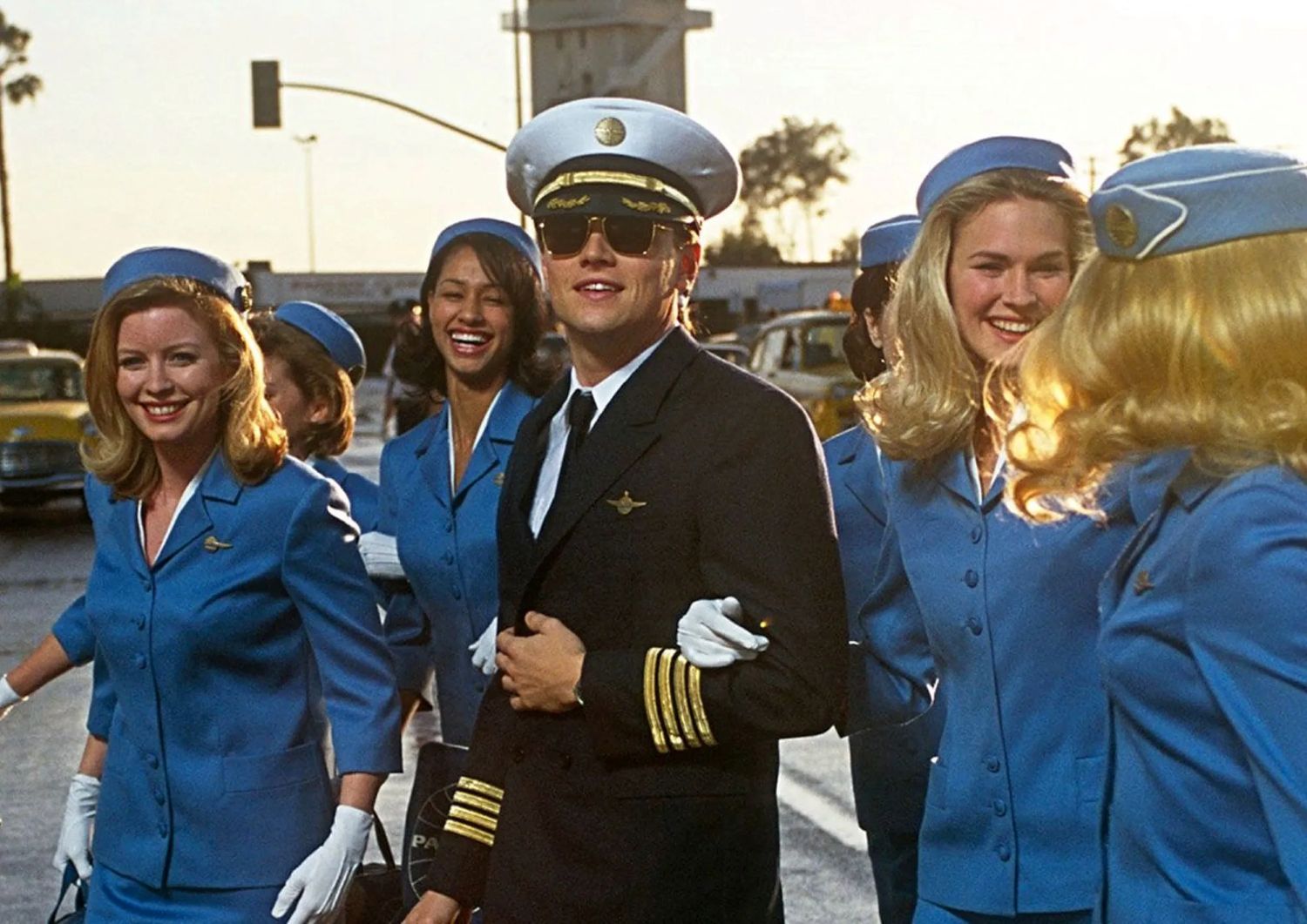
Audiences who love gambling pictures naturally gravitate toward the easy money movie sub-genre. If you want frantic energy and charismatic leads chasing massive wealth, finance movies like Wolf of Wall Street capture that wild adrenaline perfectly. Similarly, movies like Catch Me if You Can highlight brilliant individuals using pure confidence and psychological manipulation to outsmart massive institutions.

FAQs
What is the most psychologically accurate gambling movie?
The Gambler and Uncut Gems are widely praised for capturing authentic card strategies, psychological tells, and genuine compulsive behaviour found in wagerers.
Why do viewers feel anxious during high-stakes scenes?
This is because mirror neurons allow you to experience an on-screen character’s stress and adrenaline safely.
How do gambling films differ from crime thrillers?
Gambling films centre on intellectual battles and calculated risks rather than physical action and external pursuits.
Are casino scenes realistic?
Directors usually hire professional consultants to keep card handling authentic, though dramatic tension still takes priority over accuracy.
How has technology changed the genre?
Modern films increasingly incorporate digital screens and global connectivity, reflecting how risk-taking has shifted from physical locations to online spaces.
