




by Dov Kornits
Australian writer/director James Demitri puts his own decidedly contemporary spin on the vampire genre with the moody Sydney-shot horror-grindhouse DRAX.
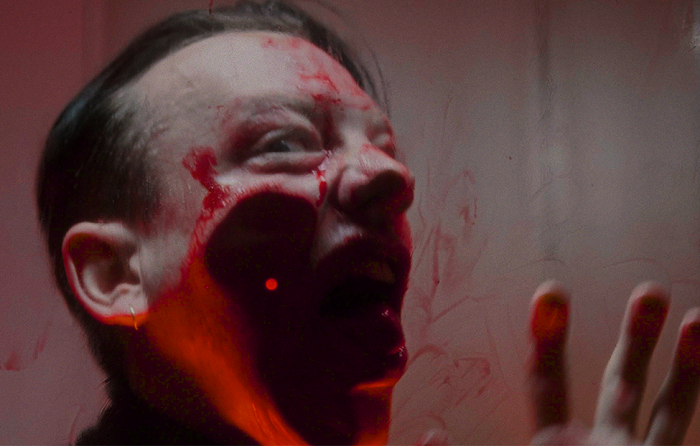
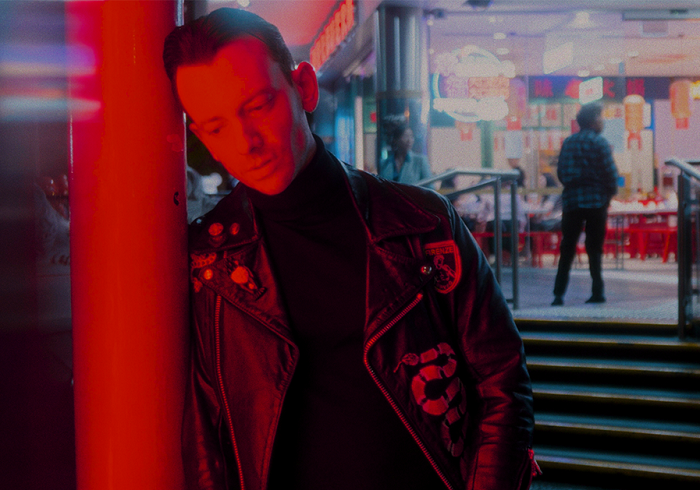
“This is a story about vulnerability, acceptance, and the messy, beautiful struggle of being human,” says writer/director James Demitri of his new film DRAX. It is also, very importantly, a story about a vampire. The titular bloodsucker (played by David Charlie) – who is also a successful artist – plies his ghoulish trade on the dark streets of contemporary Sydney, where he is accompanied by his art dealer Bianca (Emily Teede)…and a burgeoning sensation of burn-out. Drax is enlivened, however, when he crosses paths with the bewitching young skater Marcus (Finn Middleton), which gives the centuries-old vampire a new sense of purpose.
Considering the indie, highly individualistic bent of his previous projects, Misplaced and The Winner Takes It All, it’s no surprise that James Demitri has well and truly turned the vampire genre upside down and inside out with DRAX…
Why make a vampire film?
“I’ve always loved vampire films, and I think I was going through a turbulent part of my personal life over the last few years. Maybe subconsciously, DRAX became a cathartic process for me. I’ve always been fascinated by the vampire as a metaphor. They’re both predator and outsider, powerful yet deeply lonely. I just love that juxtaposition and often internal battle with these characters. With DRAX, I wanted to explore that duality in a modern world, where the lines between friendship, obsession, and the need to feed get blurred. It’s less about fangs and more about what it means to crave connection, even if it’s destructive. I also see it as a tongue-in-cheek commentary on the state of the world and humanity in general. Drax is a vampire who can’t find a ‘good feed’ anywhere. Everyone he feeds on doesn’t ‘agree’ with him, leaving him feeling sick. They all taste rotten for one reason or another, which was fun to play with.”

What are some of your favourite vampire films?
“Definitely Let The Right One In, the 2008 Swedish film. It’s such a hauntingly beautiful take on the genre, and more importantly, it has so much heart. It’s an almost perfect film. I also love The Hunger with David Bowie and Susan Sarandon, which is a highly stylised and visually incredible film. I’m also a sucker for old-school Hammer Horror and B-movie vampire films and all their gothic charm.”
How have you financed the film?
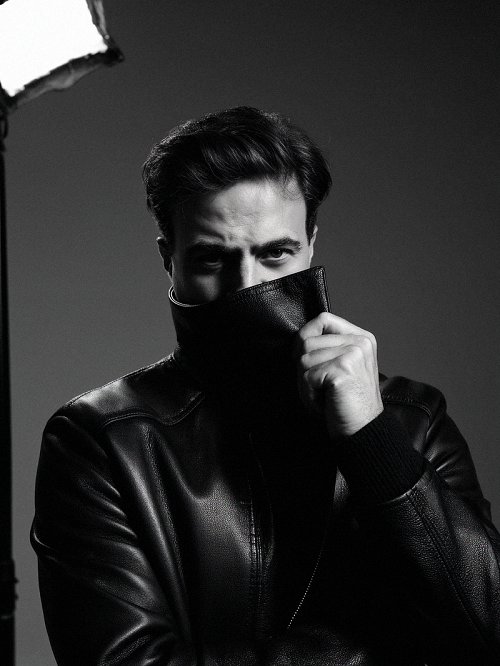
“I self-financed the whole thing. Sometimes, when you have an idea burning so hard, you just can’t leave it alone, and you just have to make it. Funding can certainly give you a better-looking picture, but it can also leave you with a film that never gets made. For me, there’s a freedom in creating stories this way, ones that speak to me as a director and writer. I am not a person who likes to sit around and wait for things to happen. I need to be creating. It’s part of my make-up, it’s my core, and I don’t care how I do it, as long as I do it. Funding is obviously a huge advantage, but I never let a lack of it stop me. It does mean wearing a lot of hats to get a project over the line, but that’s part of the job when you’re working at this scale. It’s indie filmmaking.”
Where did you shoot the film? Tell us about your cast.
“We shot entirely in Sydney. The city has a very cinematic quality at night. It can feel both intimate and vast, which worked perfectly for creating DRAX’s world. We had some great exterior locations, but the film also called for luxurious interiors. I was lucky to work with the Kimpton Margot Hotel in Sydney, which became Bianca’s apartment, and M2M Gallery, which became Drax’s very cool and art filled apartment. The cast is incredible and really brings such great energy to the film. David Charlie plays Drax with magnetic stillness, Finn Middleton brings raw vulnerability to Marcus, Emily Teede as Bianca is pure energy, and Tatjana Marjanovic as Lilly has this hypnotic, and sometimes explosive, charm. We also had fantastic guest appearances from April Rose Pengilly, Matt Levett, and Tim Robards, all of whom brought so much fun and life to the screen.”
You’ve made a number of films before. How is DRAX a progression from those? What have you learned from past efforts?
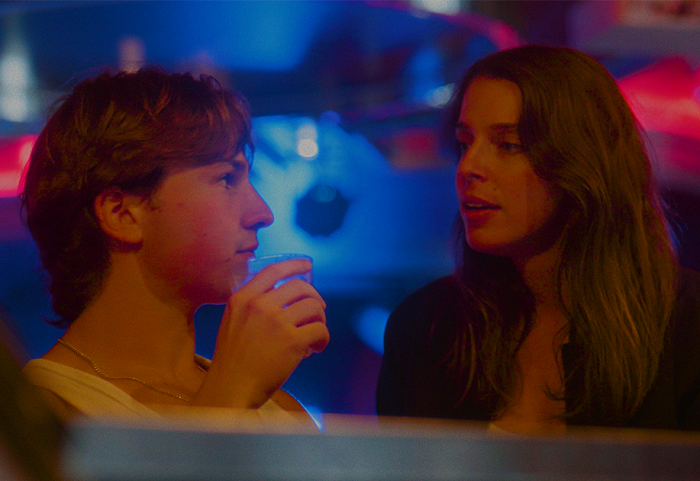
“Every film teaches you something. Sometimes it’s technical, sometimes it’s about people. With DRAX, I’ve taken all the lessons from earlier projects (pacing, visual storytelling, tone) and pushed them further. DRAX is the most concise film I’ve made so far. Misplaced was shot on a phone during the pandemic. It was black and white, and more of a visual poetry/art film. The Winner Takes It All was a silly, slapstick comedy aimed purely at an LGBTQ audience. DRAX has a lot more heart. The characters evolve, and your opinion of them often changes as the story unravels. It also asks a question I think we all have at some point: what are people really like behind their shell? Who is the real monster when the masks come off?”

Your previous films were true indies…is that the same with DRAX?
“Absolutely. DRAX is pure indie. It was made with passion, a love of cinema, on a micro budget, with fake blood, real sweat, and yes, a few tears. It’s the result of ten months of really hard work. There were 11-16-hour days sometimes, and a super-talented little film family that came together to make it happen. That’s what true indie cinema is about. It’s not just budgets and box office, it’s community. It’s about a group of creatives coming together to be part of something whole. Indie filmmaking can definitely be tougher than traditional filmmaking, but at the same time, it can also be so much more freeing. There are no rules you have to stick to, and sometimes those things you see as limitations, end up being the reasons you make some of the best creative choices.”
How did you cast the film?
“It was a mix of auditioning and approaching actors I already admired. With a film like this, chemistry between the leads is everything, so a lot of time went into finding pairings that felt electric. When Finn and David read together, it was instantly clear that they were our Marcus and Drax. There was so much fun banter and jokes between them; I could already see them as their characters. I had reached out to Tatjana after seeing her in another feature and thought she was incredibly talented. We met for a coffee and chatted about life and she was just so natural and impressive at the same time. I just knew she had to play Lilly. I had worked with Emily on a previous film, and had seen a glimpse of her comedic timing on that, so when I was writing Bianca, I had her in mind all along. When she did the first read, we were crying from laughter and it was like magic! The cameos like April Rose Pengilly, Matt Levett, and Tim Robards are friends I’ve spoken with over the years about collaborating. This project was the perfect way to make that happen. Everyone on this film is so talented; I can’t wait to see what they do next. I miss them already.”
How do you find the filmmaking community in Sydney? Is it supportive?
“I think Sydney’s filmmaking community is great, but like anything, you need to find your tribe. You need people around you who not only support you, but inspire you. Indie filmmaking, or filmmaking in general, is one of those things where you really do need to have a solid group of people around you to support you. I do think that with streamers and online content, people don’t go to see things on the big screen any more, and there are less indie small theatres around to screen older interesting films, but if you look hard enough, there’s still a few of those around. The scene is definitely there, but you just have to seek it out and connect.”
What did you shoot DRAX on?
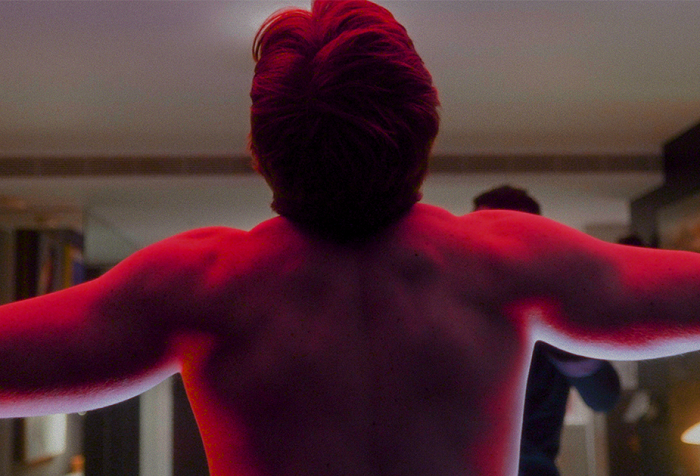
“I was very fortunate to collaborate with Panasonic/Lumix for this project. I did some research early on, looking at different cameras and lenses trying to see what would best work for this project and I came across gorgeous cinematic footage shot on Lumix gear. I approached them, we discussed the project, and they were excited about the idea and came on board as collaborators. The film was shot almost entirely on Lumix cameras and lenses, with a little B-roll done on an iPhone for its ease and run-and-gun style. Phones are great tools, but it always comes down to what will tell your story best for each project. It’s always a choice.”
Stay tuned for more on DRAX.
