


By Patrick Scott
After his debut 2014 novel Kingdom Of Scars was nominated for the Best Newcomer Award at The Irish Book Awards, author/actor/director Eoin Macken (whose previous credits include 2008’s Christian Blake, 2009’s Dreaming For You, 2012’s The Inside and 2013’s Cold) was offered the opportunity to adapt his own book into a film. Macken, however, chose an alternative path that few others would take. Out of curiosity, he read the other books nominated in the same category as his, and felt compelled instead to make a film out of Rob Doyle’s book Here Are The Young Men.
Set in Dublin, the story follows three teenagers – Matthew, Kearney and Rez – whose hedonistic indulgences spiral out of control after they graduate from high school, as they confront the stark realities of drugs, rape and murder. It brought to mind Macken’s own vivid memories of the characters and culture that he experienced while growing up in Dublin. The film itself blends dark humour with a mind-melding and pulsating style that re-envisions Dublin through the drug-induced lens of its main characters. Boasting a strong cast that includes Dean-Charles Chapman, Finn Cole, Ferdia Walsh-Peelo and Anya Taylor-Joy, Eoin Macken (who is also an accomplished actor with roles on TV’s Merlin and The Night Shift and films like Once Upon A Time In Dublin, Till Death and Resident Evil: The Final Chapter) discusses the stylistic choices that he made for the film and how it is relevant today despite being set 20 years ago, as well as how acting has informed his choices as a director.
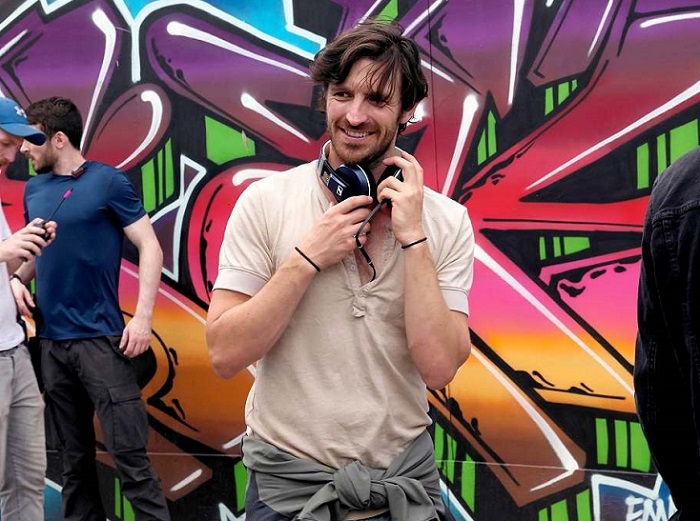
What appealed to you about Here Are The Young Men?
“I just think it’s brilliant. I met Rob and we got hammered. And I was like, ‘I want to make your book into a movie! The best way to do that is to work with someone with a like-mind.’ That’s what happened: the film then became an adaptation of Rob’s book and I brought in some elements of my own book and made it into a manic world. The music was a big part of the film. When I was reading the book, bands from when I was growing up came to mind, like Joy Division and Primal Scream. I wanted to make sure that those same bands were in the movie so it had that same kind of feel.”
The film is set in Dublin, and yet many of the actors are non-Irish doing Irish accents. What made you cast non-Irish actors for these roles and what kind of preparation did you do with them to perfect those accents?
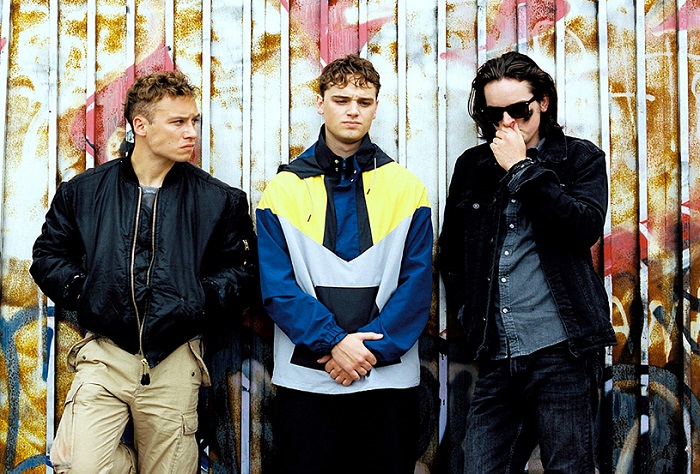
“Well, Ferdia is Irish but Dean and Finn who were cast first aren’t Irish. The most important thing was who could play the character. We met Dean and I knew straight away that he was Matthew. I didn’t meet anyone else. You want to work with a cast that fit together like a jigsaw puzzle. You want to know that they will work in a similar way to really explore the characters. For the accents, we got a vocal coach from Ireland who was a buddy of mine and he worked with them. I don’t see the issue. I did a film recently called Till Death where I’m doing an accent. You want to get the best actor for the job.”
In what ways does being an actor inform you as a director?
“When you’re directing, you have a certain freedom. When you’re acting, you’re really just focusing on what you’re doing. When I’m directing, I’m able to watch people in a certain way. I try to direct the way that I would like to be directed. I give people their space and room to move. You also hire people that you can trust, who are really brilliant at what they do, and you let them do their thing.”
You mentioned Dean was always going to be Matthew. Were the rest of the cast always going to play those roles as well?
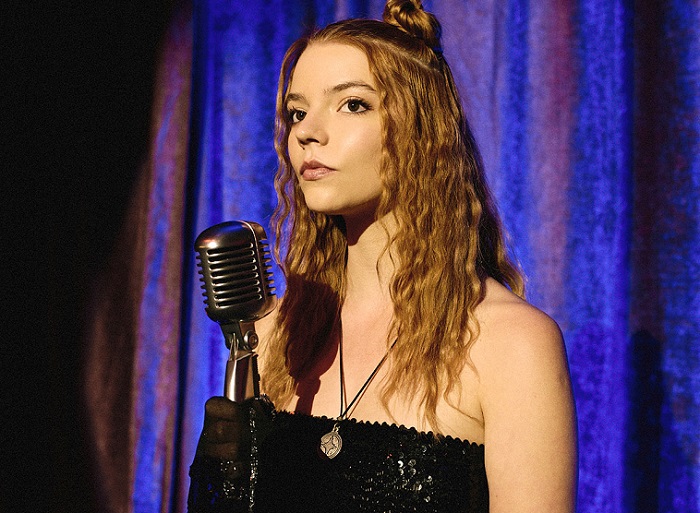
“I cast Matthew first because the movie doesn’t work if you don’t like Matthew’s character. His character is deliberately devised so he’s not meant to be too morbid because he’s acting as a mirror to the audience. Once I found Dean, the most important thing was to find Kearney to play opposite him. I looked around a bit for Kearney but when I found Finn, they seemed like they could not only be friends but also have that competitive edge to them that pulls in different directions. Then I went to try to find who Jen was going to be, and she had to fit with Matthew as well, so it was all about who was going to have the right chemistry.”
Although it’s set in 2002, the film has many themes that are relevant today. What would you like audiences to take away from the film?
“I wanted to make a film that is entertaining, that looks great, and that has the music too. A lot of that is there to make it palatable because it’s a really dark story and it’s really gritty. These things that happened in the book twenty years ago are the same things that are happening now. I want people to come out of it and morally look at what Matthew is doing, and what Kearney is doing. I want to wonder if they have friends who do the same thing. What would I do if my friends did this? It’s really important because you’ve got to hold people you know accountable and look at the actions of how people see the world around them. In the last 4-5 years, everything’s got a bit worse. People have got a bit more aggressive, a bit less accepting, a bit less caring. You want people to take responsibility for their own actions, and the actions of the people that they’re associated with.”
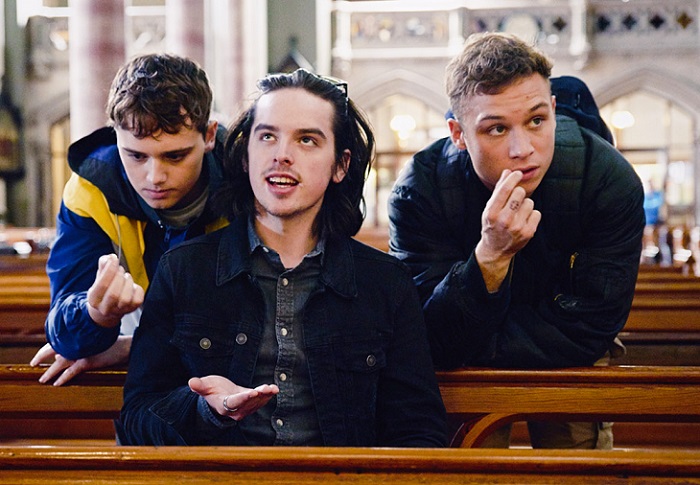
You mentioned the stylistic contrast in the film where it can be very dark at times, but it’s highly energetic as well. What were your film influences in developing that style?
“I didn’t want it to be like a Larry Clark movie where people come out of it and it just rips out your soul. I fell in love with films like Bronson, Spring Breakers and Palo Alto. I liked those movies because it made me realise how I could play with the colour palette. I wanted everything to look as close to a photograph as possible. When you make a film, you have a chance to create some real meaning…even something really beautiful from an image point-of-view. We shot this in anamorphic to shoot Dublin in a different way that’s not how it’s usually shot. I always find that when people go to New York, they shoot it in a certain way. When it’s in your hometown, you’ve seen it in a certain way and make it like that. I wanted to make this interesting. I wanted the contrast to be that you’ve got these dark elements happening, but it’s very vibrant so it really heightens what’s actually happening. I wanted to have that balance where you think, ‘This is great!’, but it’s actually really dark and you don’t fully realise the impact of what’s happening. That way it can seep in, instead of everything being very grey and brown and you can see it coming. If it’s really colourful, the audience doesn’t really see it coming.”
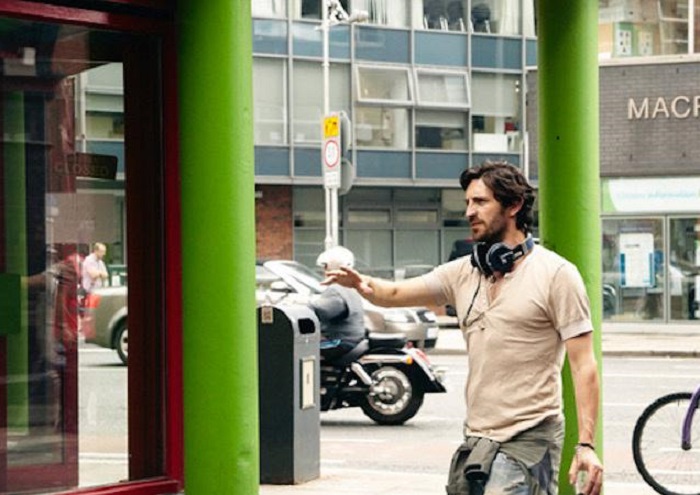
What are you working on next and are you planning on directing again?
“I directed a movie in lockdown last year in Los Angeles called Grey Elephant, which will hopefully be released this year. Last year when we were in lockdown, everyone was around from a TV show I was working on called The Night Shift, so I wrote this project that we could shoot in one house. It’s a very dark, black comedy satire dinner party all set during COVID.”
Here Are The Young Men is available now on DVD and Digital.
