



by Gill Pringle
Inspired by Beth Macy’s New York Times bestselling book of the same name, Dopesick takes a closer look at how one pharmaceutical company’s actions led to the worst drug epidemic in US history.
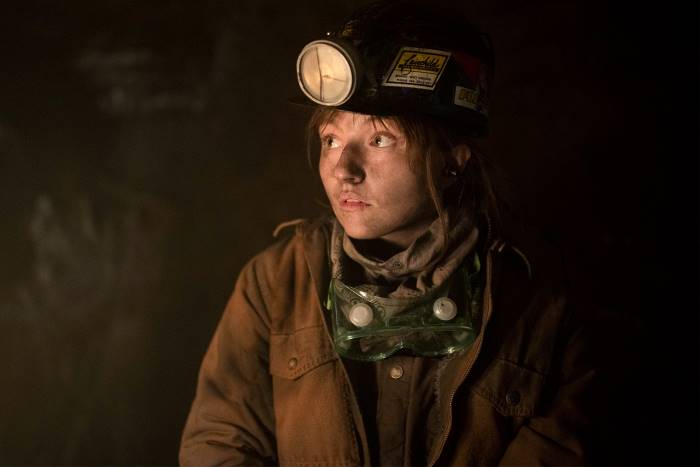
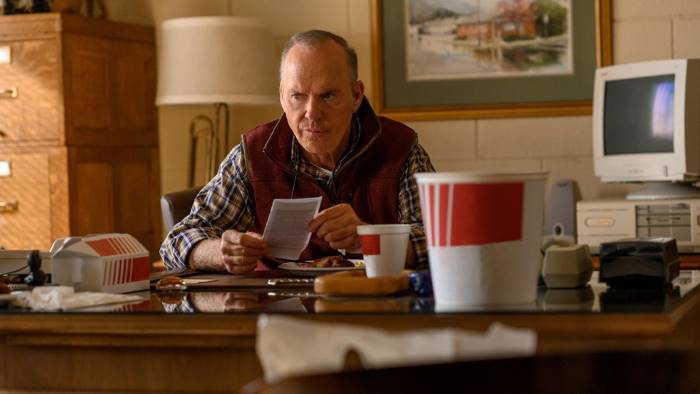
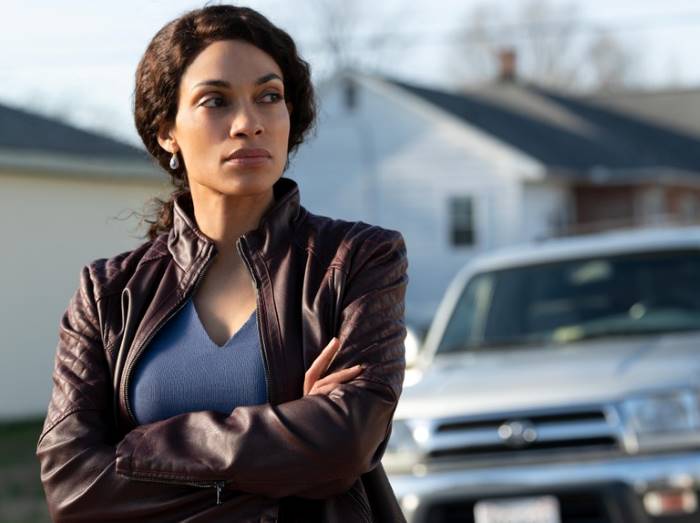
Starring Michael Keaton, Rosario Dawson and Peter Sarsgaard, the eight-part mini-series takes viewers to the epicentre of America’s struggle with opioid addiction, from the boardrooms of big pharma to a distressed Virginia mining community, the hallways of justice, and the DEA’s dogged drug investigators.
Defying all odds, unlikely heroes emerge in this intense pursuit to take down the greedy corporate forces behind this crisis.
FilmInk chats with journalist and author Macy about how she first became involved in the unfolding opioid crisis 20 years ago to the publication of her 2018 best-seller to, today, where Dopesick is now a critically acclaimed TV drama.
Where were the press back in the early days of the opioid crisis? It seems like nobody was paying real attention when Purdue Pharma started marketing OxyContin?
“Thank you for asking that question! Where the hell was the press? The introduction of OxyContin was targeted at rural areas; places where people have legitimate workplace injuries and Purdue sent the reps out with this notion to flip doctors from prescribing Vicodin and Percocet to OxyContin. So, that’s why the crisis first broke out in Appalachia and rural Maine. If you look at a map of newspapers in these places, they didn’t give it a lot of coverage.”
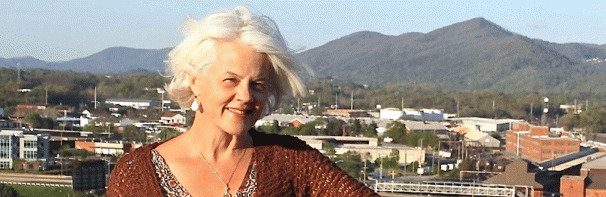
But you covered it in your local beat, writing for The Roanoke Times?
“Yes, the newspaper offices were on the edge of Appalachia, about four hours from the fictional town that we portray in Dopesick. I was writing about it before 2000, before many people caught on and I think a lot of that is the decline of the media and also these distressed communities where OxyContin bubbles up as a real big problem at the same time as the textile mills and the coal mines are closing down, so it was a real story of economic distress. A lot of people were prescribed it, but it also became a side hustle in the same way moonshine was in the old days. Doctors were giving it out like candy, so, they would use half and then sell the other half to pay bills. I truly believed the paralleled decline of the media exacerbated the slowness for the mainstream media to catch on to this story because it wasn’t until 2001 that national media put a spotlight on OxyContin. And then it morphed into a heroin epidemic around 2010 because that’s when the OxyContin was getting harder to get. Eventually, they reformulated it so it wouldn’t be abusable and that’s when people made the switch to heroin because OxyContin got so expensive. And, more recently, Fentanyl is in the heroin and that’s what most people are dying from now.”
And it’s hard to wean off and kick the habit?
“Yes, once you’re hooked it’s really, really hard to get off it unless you have access to treatment. America doesn’t have universal healthcare, so the problem just keeps getting bigger when people don’t have access to healthcare. You know, Bryan Cranston – as Walter White in Breaking Bad – when he starts making meth he says, ‘If you all had universal healthcare, Walter White would have gone back to teaching school’. It’s funny but it’s true!”
How come the drug cartels and dealers didn’t figure out how to make OxyContin themselves?
“That’s a good question because they are figuring out how to make Fentanyl and put it in the heroin. A lot of the raw ingredients for that are coming in from China into Mexico and then smuggled into the US. Just a few tiny granules of Fentanyl can kill somebody. It’s really strong stuff. And the drug dealers are mixing it into other things. They call it a “cut”. And they’re not chemists – that’s why Fentanyl is so wicked dangerous.”
Dopesick is your third book. When you first pitched the opioid crisis to your publisher back in 2015, you figured we were at the end of the crisis?
“Yes, when I first proposed writing about it, we thought the opioid crisis was going to peak in 2018, but it didn’t and it’s just gotten worse.”
There are so many heartbreaking stories in Dopesick and it’s shocking to learn that schoolchildren as young as ten years old were using opioids. Which story struck you the most?
“My first newspaper story was a three-part series, and I followed these two families. One young man died of a heroin overdose and the other was about to go to federal prison for five years for selling the other kid the heroin that ended his life. I followed both mothers around and Spencer, the kid who was about to go to prison. The judge let him do drug court and let him give talks in high schools as part of his sentence as he tried to build back good karma. These two kids made the front page, but the prosecutor that built the case told me that they were using and dealing with 50 other kids, all wealthy kids with resources who could lie and escape prosecution. This drug ruined people’s lives. People don’t suddenly wake up and get better one day. This idea that if people could just hit rock bottom, they will recover… Well, not while Fentanyl is out there. Too often, rock bottom means death.”
When you first wrote about it, you knew the opioid crisis would only get worse?
“Yes, and that was underlined when new research was published showing that American life expectancy had declined for the first time in 100 years. That’s when I became really motivated to write the book and because I’m located close to Appalachia, that’s where I returned to set the story, talking about how the opioid crisis had progressed to heroin addiction. People were being locked up because they were addicted and, upon release, there was no treatment support. When you have addicted people who also don’t have a way to make a living, it’s just a really bad recipe for addiction and crime.”
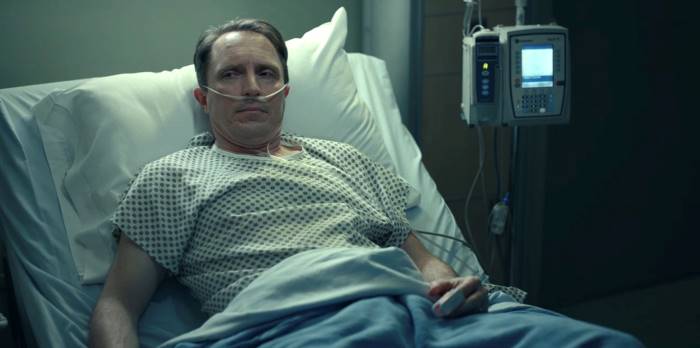
And now your story has been brought to the small screen with this extraordinary cast. Did you have any say in casting?
“No, but I loved this cast – and to get to hang out with them was amazing. I could go out with Rosario Dawson all night. She is the coolest person. And the things that Michael Keaton can do with his face is extraordinary. I could watch his opening scene in the courtroom a hundred times. And Kaitlyn Dever, we called her “Little Meryl” as in Meryl Streep, because she got everything perfect on the first take. And John Hoogenakker as Randy Ramseyer – I wasn’t familiar with his work before but he brought such heart and much-needed levity to the character. And what blew me away about the cast was how knowledgeable they all were about the opioid crisis. We’ve been doing some events recently and they really did their research and have been so kind.”
Dopesick releases November 12, 2021 on Disney+

