



by Bianca Jimenez
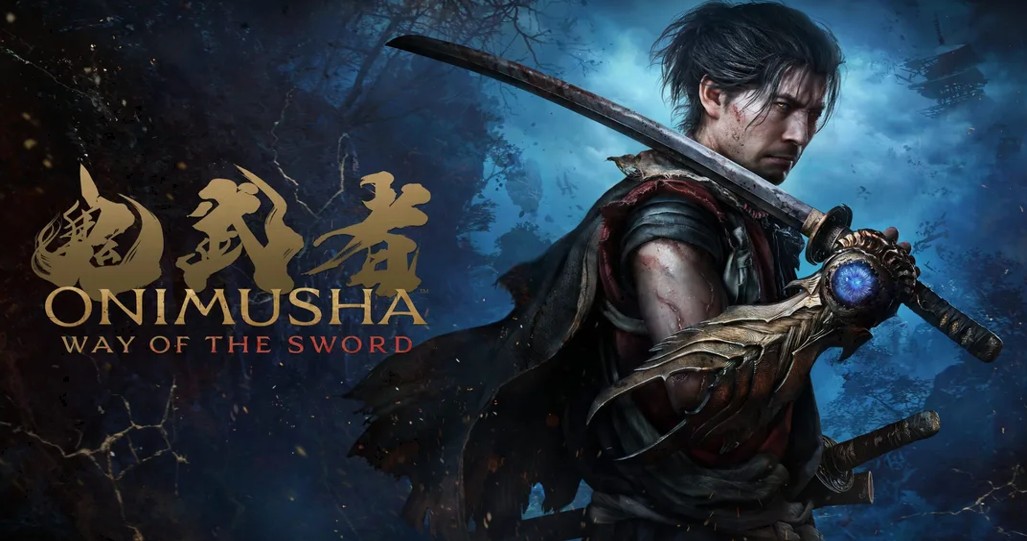
Onimusha: Way of the Sword brings Capcom’s classic samurai action series into a new era with cinematic presentation, fast-paced sword combat, and a dark fantasy version of Edo-period Kyoto. Instead of simply recreating the older games, the new title places players directly behind Miyamoto Musashi as he battles supernatural Genma and discovers the power of the mysterious Oni Gauntlet. Set in Kyoto during the early Edo period, the game combines historical Japanese scenery with supernatural horror. Malice has transformed the city, allowing Genma to spread throughout its streets and landmarks. This creates a setting where traditional samurai imagery and dark fantasy can exist side by side. The result is an action game that puts equal attention on swordplay, atmosphere, character presentation, and cinematic storytelling.
Miyamoto Musashi Leads a New Onimusha Story
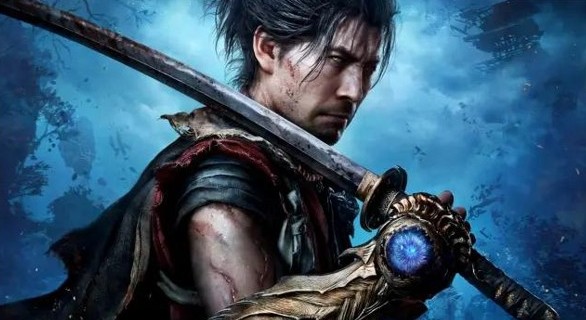
Miyamoto Musashi, a young samurai at the heart of Onimusha: Way of the Sword, comes to Kyoto looking to show off his skills with a sword. Things take an unexpected turn when the enigmatic Oni Gauntlet links with him. Musashi is not immediately fond of the supernatural power at the beginning of the tale; he is first concerned with demonstrating his strength with his own sword. As the journey progresses, his perspective on the Oni Gauntlet and his new responsibilities begins to evolve. This adds a character element to the story, rather than just making Musashi another warrior mowing through hordes of enemies.
Capcom has also stated that Way of the Sword is a completely new entry designed with newcomers in mind, and that it can be played without having to know the full story of the previous Onimusha titles. So it’s a natural jumping-off point for new players in the gaming series: Musashi’s journey.
A Cinematic Approach to Samurai Combat
One of the biggest changes in Way of the Sword is its presentation. The game uses a close third-person perspective, keeping Musashi and his enemies visible throughout most encounters. This allows attacks, parries, dodges, and finishing moves to become part of the visual storytelling rather than simply functioning as gameplay inputs. The developers also drew inspiration from Japanese samurai cinema. Musashi’s appearance is based on legendary Japanese actor Toshiro Mifune, which helps reinforce the game’s connection to classic samurai films.
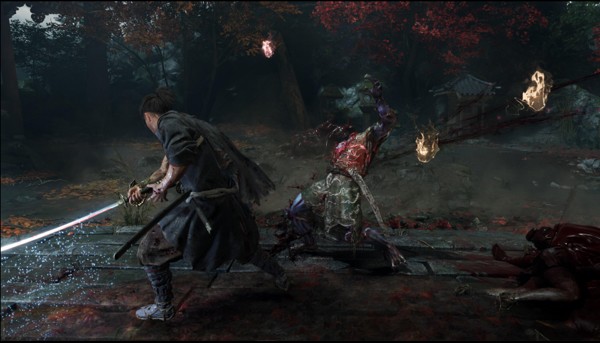
That influence can be seen particularly during major sword fights. Duels are designed to feel like dramatic confrontations, with fast movements, clashes of steel, and carefully timed counters. The cinematic style does not replace the action. Instead, it works alongside the combat system to make each encounter feel more physical and immediate.
Swordplay Built Around Timing and Precision
Onimusha: Way of the Sword is what you might call sword-smashing action. Musashi can fight his enemies using a variety of methods, including attacking, blocking, parrying, deflecting, and evading. A standard block can protect Musashi from harm, but a parry at the right moment can make an enemy vulnerable. Parry: Have another defensive option with Deflects, which also cost a lot of Stamina. And yet, at the end of another Bayo must a player execute the series’ iconic Issen technique: by attacking just before an enemy’s strike lands.
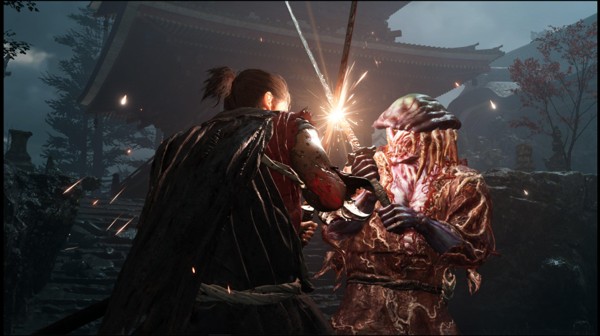
The combat system thus favours players who learn to observe enemy movements rather than just mashing the attack button. This is doubly true when fighting stronger enemies. While the smaller Genma can usually be beaten with repeated aggressive attacks, the more dangerous foes require more careful use of parries, dodges, and stamina management. Both offensive and defensive mechanics add a deliberate rhythm to the swordplay without slowing down battles.
Issen Returns With New Combat Options
The Issen mechanic remains one of the most recognisable features of the Onimusha series. In Way of the Sword, players can still perform a powerful counterattack by timing their strike extremely close to an enemy attack. Successfully performing an Issen can quickly change the course of a battle. The game also introduces additional combat options such as Break Issen, which can be used after reducing an enemy’s stamina. This gives players another way to create finishing opportunities without relying entirely on the strict timing of a traditional Issen.
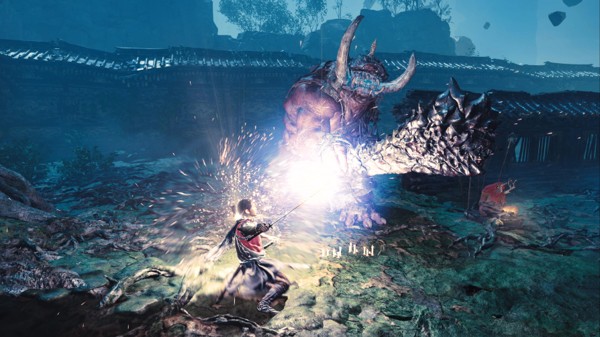
Other mechanics include Blade Barrages, Blade Locks, and Reflex Dodges. These systems add variety to encounters and give experienced players more ways to control a fight. Rather than making every battle follow the same pattern, the game encourages players to react to what an opponent is doing.
Motion Capture Makes the Swordplay More Physical
Way of the Sword‘s cinematic quality is enhanced by its richly detailed character models and motion-captured animations. The developers focused on making Musashi’s movements flow seamlessly from one action to the next. Attacks can be chained into defensive manoeuvres, and parries and dodges can flow directly into counterattacks. In a sword-fighting game, this is especially crucial. Fights would feel very disconnected if every animation finished before the next action started. Way of the Sword, on the other hand, emphasises fluid transitions that make Musashi seem to improvise organically in a fight.
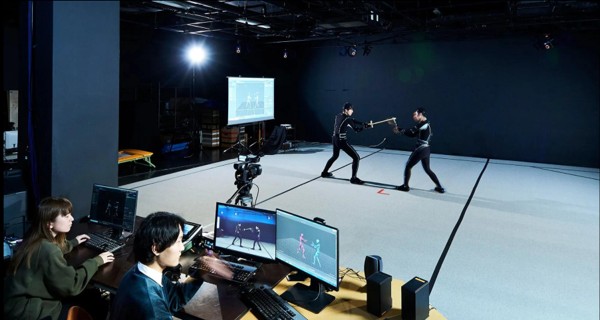
Xbox Wire’s preview coverage also showcased how Musashi moves seamlessly among attacks, parries, and defenses when confronted with a group of enemies. The way the developers handle things makes you feel like the character is a seasoned swordsman at the start of the game rather than a novice who is gradually learning the most basic attacks.
Dynamic Dismemberment Adds Impact to Every Strike
Another element of the game’s physical combat is Dynamic Dismemberment, which allows the player to cut off body parts of enemies. Instead of having the exact same damage animation for every attack, the system allows enemy reactions to reflect the direction and momentum of Musashi’s blade, making sword strikes feel more responsive in combat.
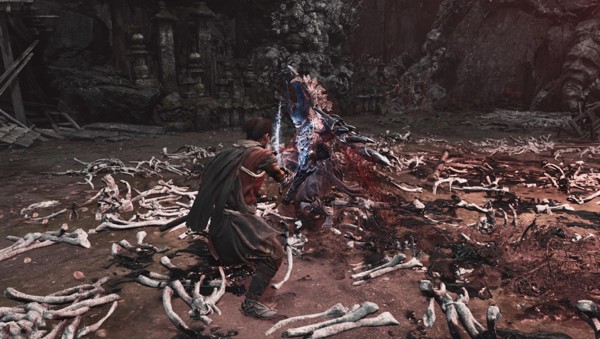
It is also part of the game’s dark and violent appearance. Genma fights are designed to be brutal, emphasising the threatening atmosphere of a Kyoto infested with monsters. This system functions especially effectively in conjunction with the game’s motion-captured swordplay, as the appearance of a strike is integrated into the overall animation rather than being a separate effect.
A Dark Fantasy Version of Edo-Period Kyoto
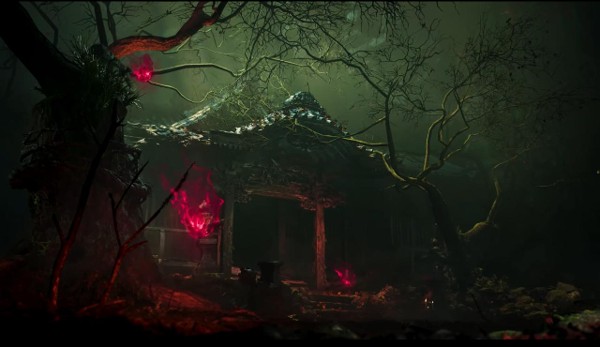
Kyoto is not just a backdrop in Onimusha: Way of the Sword. The city itself plays a big role in defining the game. While the story takes place in the early Edo period, the Kyoto in the game has been corrupted by Malice. Famous landmarks and classic Japanese homes stand side by side with Genma and otherworldly taint.
 ‘
‘
Locations like the Kiyomizu-dera Temple ground the historical setting, but the addition of Malice makes even familiar places look darker. This dichotomy lets the title shift between atmospheric exploration and heated combat without ever losing its visual identity. A normal temple, narrow street or forest can become a battlefield when Genma appear. The blend of historical setting and supernatural danger also ties the narrative back to the original Onimusha idea.
Genma and Samurai Create Different Types of Battles
Musashi’s foes are not limited to mere Genma. There are also strong warriors and bosses that have their own soujutsu that can be tested against him. One prominent adversary is Sasaki Ganryu, a talented swordsman who has ties to Musashi and participates in exciting fights. These battles make for a better contrast when beating up supernatural creatures versus human foes with skill.
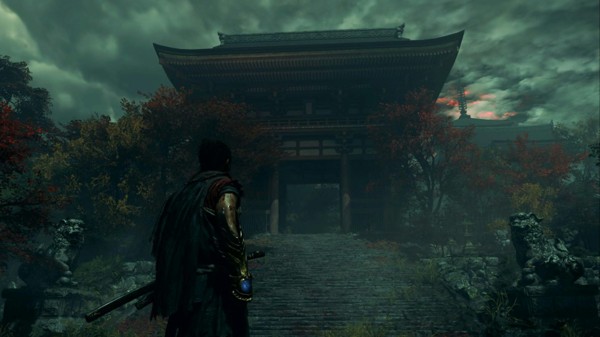
A fight against multiple Genma can be a quick-paced battle where positioning and crowd control matter. A duel with another swordsman, however, requires a different approach with more emphasis on timing, defense and reading attacks. This variation helps the fights be story-driven rather than making each fight identical.
The Oni Gauntlet Connects Story and Gameplay
The Oni Gauntlet is one of the features that ties Way of the Sword to the Onimusha brand. The magical item endows Musashi with superhuman powers, as well as enable him to absorb souls from slain Genma. Those souls can later be spent as a currency to level up your character and use some skills. However, the gauntlet too is important to narrative.
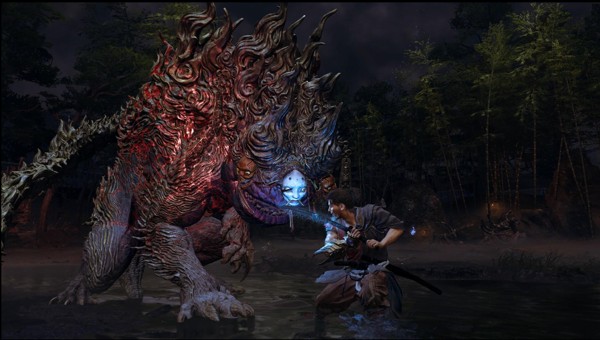
Musashi desires at first to liberate himself from it, because he thinks that his sword skill alone should be sufficient. His connection to the artifact evolves as he becomes entangled in the war for Kyoto. This makes the Oni Gauntlet more than a gameplay tool. It is also part of Musashi’s personal journey.
Where to Get Onimusha: Way of the Sword
Players interested in purchasing the game should first check the platform and region requirements before buying. For Xbox players looking for an Onimusha: Way of the Sword Xbox Key, Onimusha: Way of the Sword Xbox Key is available through LootBar. The page can be checked for the current product details and pricing.

If you are comparing other games or looking for additional titles, the LootBar game key section provides access to other game-key listings. Always check the activation region, platform, edition, and account requirements before completing a purchase.
What Makes the Storytelling Stand Out?
Onimusha: Way of the Sword integrates a few that lend themselves to its cinematic identity. The close third-person camera places the player’s perspective in proximity to the action. Motion-captured animations make sword movements more realistic. Issen and other defensive mechanics give combat a strong timing emphasis, while the Oni Gauntlet links supernatural powers to Musashi’s storyline.
Kyoto also offers a familiar historical backdrop that can be turned into a dark fantasy world at the same time. These interact with each other rather than just being features on their own. Musashi’s movements tell part of the tale through the sword fighting, as the environment and characters tell the rest of the story of why he is fighting.
Conclusion
Onimusha: Way of the Sword updates Capcom’s samurai action series with a modern presentation, but without leaving behind the ingredients that made Onimusha memorable to begin with. Miyamoto Musashi, the Oni Gauntlet, Genma, soul absorption, and Issen are still present, but the new third-person camera angle, highly detailed animation, wide cinematic presentation, and widened combat system all feel like a series that is ready to go in a new direction. With a love of samurai action, dark fantasy, and movies that feature sword fights that could make a western director feel inspired, Way of the Sword is an interesting twist on the series.
