



By Dov Kornits
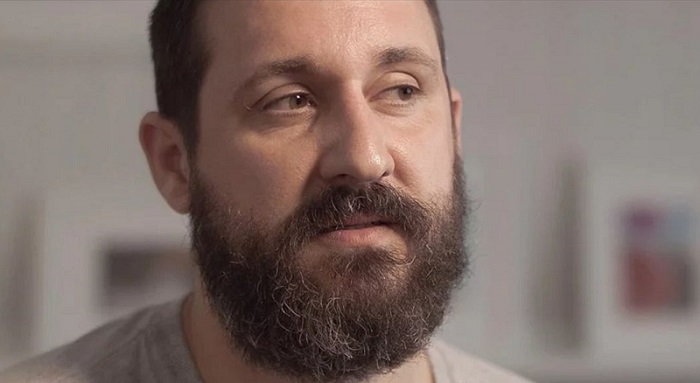
Producer, director and industry player Luke Graham (who has been involved with a host of successful shorts and music videos) came to Central Queensland intending to make a feature film. As well as producing the tough, wonderfully rich-with-sentiment 2016 drama Broke, Graham also ended up creating The Capricorn Film Festival, an event which has gone from strength to strength (even in the face of the infamous festival-felling COVID pandemic) each year since its inception.
The festival (now located in the Central Queensland town of Yeppoon) had a very successful run in 2022, opening with an exclusive screening of the documentary Ithaka, from acclaimed director Ben Lawrence (Ghosthunter, Hearts And Bones), which details the plight of John Shipton to have his son, Julian Assange, released from prison. With John Shipton and producer/brother of Julian, Gabriel Shipton, in attendance and on hand for a Q&A, it was an auspicious kick-off for The Capricorn Film Festival.
We chat to Luke Graham about how the festival began, how it’s grown and developed, and where it’s headed in the future…
What inspired The Capricorn Film Festival? Can you talk about the sequence of events that led you to create the event?
“The Capricorn Film Festival started as an idea. I was always fascinated with film festivals, and I always wanted to be part of one. I was living in Sydney, and I’d grown up in Sydney, and I went to Central Queensland to catch up with my father who I hadn’t seen in a long time because he’d been away with his work overseas. I happened to go this small town called Gladstone in Central Queensland. It was a different world to where I had lived previously. I loved it… it’s just a great, great place. It’s very supportive of whatever endeavour that you’re into. It’s a heavy industry town, but they’ve been a very supportive town. I decided to develop a film project which ended up being Broke, which we made in Central Queensland. We had such an amazing experience, and the whole community was so helpful. That’s where the film festival came to light. We had so many people helping out on the project that I wanted to do something beyond a film. I wanted to do something which would be for the community. That’s how The Capricorn Film Festival started. It was initially a short film festival, and it ran over one day.”
The event has now moved to Yeppoon, which is a beautiful place. What are your dreams for the festival’s future?
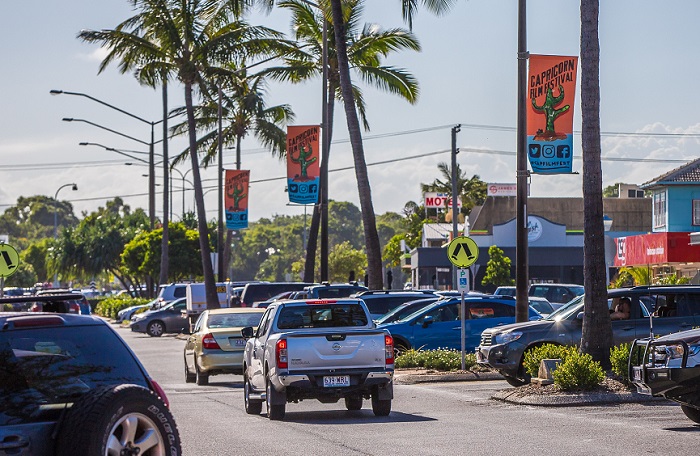
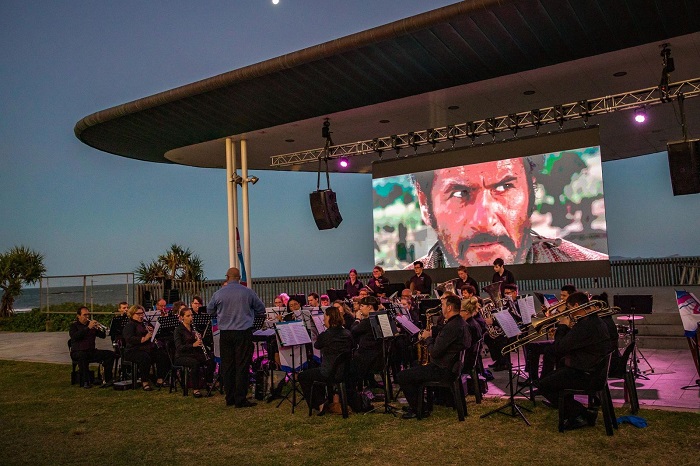
“It’s grown from a one-day short film festival to a five-day cinema arts festival, which incorporates screenings, features, docos, and shorts, as well as other cinema-centric arts, like visual arts, gaming, and sound. The intention was always to connect with as great an audience as possible. Last year, we were stopped by COVID, and we were hampered again this year. There’s always going to be something trying to stop what you’re doing. But the community was very accepting and enthusiastic about what we were trying to do. We had our biggest and best festival yet this year. And future wise, we would really love to expand this into something which is a highlight of not only the state’s calendar, but also the nation’s calendar in regards to cinema arts. We’d like to expand more on cinema arts, make it a longer event, and draw a much wider audience as well as other goals that we have with the festival itself.”
What role does the event play in the community of Central Queensland?
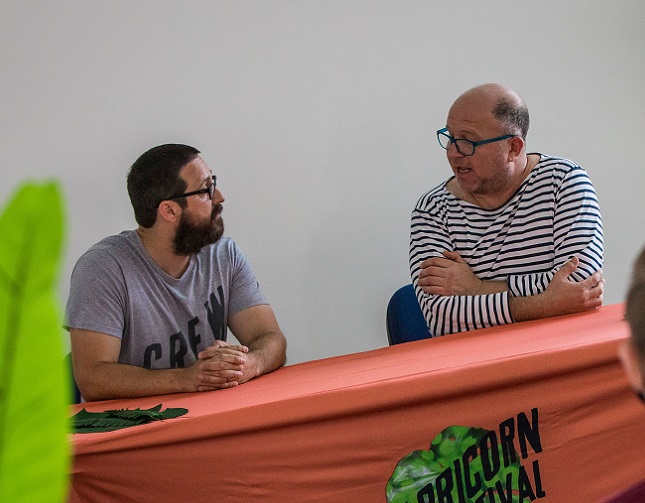
“The film festival is an outlet for creation. There was no education or support mechanism in place prior to that. We went door-knocking, and we went to high schools around the Gladstone region and around greater Central Queensland, and we did workshops for the schools. We did community workshops and we built things where they previously didn’t exist. We provided education and support mechanisms for people by offering equipment and a greater film understanding to be able to give people the confidence to create. It’s very difficult to put yourself out there and create stuff, and you need as great an opportunity and guidance as possible. We really wanted to put our hands up to do that. That goes into our greater goals of providing an education and exhibition body for Central Queensland.”
Is there an opportunity for it to grow?
“There is always opportunity, and in Queensland and Western Australia, you see a lot of money going into the arts because of heavy industry like mining, and maybe gambling. As part of what they do, they provide opportunity through arts and other sectors. We, like any other non-for-profit organisation, put our hand up for as much support as possible where we can get it, and we’ve been very lucky to get these grants, so we can continue to grow the organisation. We want to take that step and be a representative in film and education. We want to remain based in Central Queensland, where people from around the nation and internationally can come to a school that has industry professionals running it. We want them to get a very hands-on experience from people in the industry. That’s our greater goal for that, and we also want Capricorn to be a destination film festival, where you can come from around the nation to get networking, mentorship, education, and exhibition opportunities. We also want you to have a great time in a beautiful part of regional Australia.”
Could it be somewhere that people come to just to see a particular film, let’s say, rather than just get an education?
“That is certainly one of the goals. There are some amazing film festivals already in this country that have been well established for many, many, many years, and they are the leaders in getting content. We would really hope that we can grow to that. We want to provide an experience for the filmmakers and their sales agents and distributors, and also the audience. We have an audience that’s ready to take in what we have to offer.”
It’s very much a regional location… the people there aren’t necessarily getting this type of film festival content, are they?
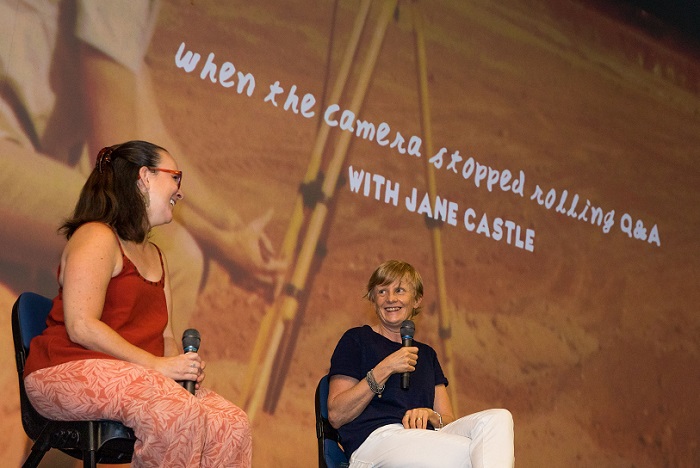
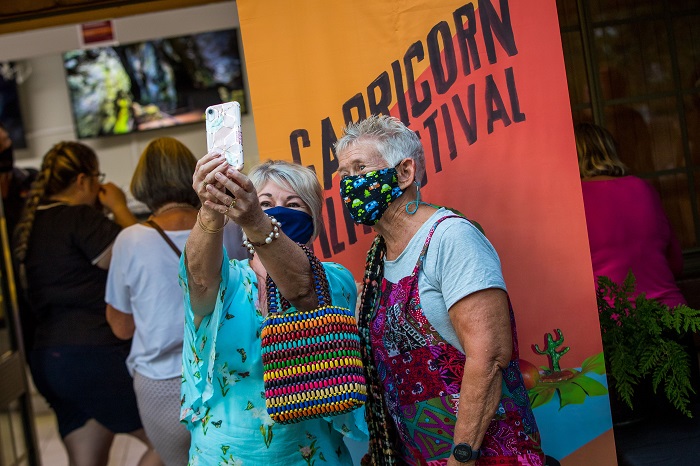
“Just because it’s not metro doesn’t mean they don’t want that same content. That content is what is desired by everyone, and if I have the ability to bring distributors, key actors, and key industry personnel to the location, then we can provide something amazing. As you saw from the opening night, we had a great audience who were very interested in asking lots of decent questions far beyond the Q&A. We get a lot of strong feedback from audiences that are very interested in this content. Thought provoking stories…that’s what they’re after.”
This journey started when you were making a film… are you making any films in the future?
“We’re currently in production on a documentary which has been very close to me. I’ve been working on it for the last few years, and we’ve had amazing support from state, federal, and industry personnel. It’s a documentary called Sharko, which is about my father, myself, and my family’s lives throughout the last fifty years. My father, Mark Graham, was a very successful rugby league player, and it’s about my journey learning about my father and the Grahams.”
It all comes full circle, really… you came with a film to Central Queensland because of your father, and here you are again…
“As with Broke, we are bringing this project to the region to provide opportunity to businesses and local artists, through mentorship and guidance on the projects. It’s really about bringing this and future projects to Central Queensland, where we have everything we need to create great films and stories.”
Any other projects apart from Sharko that you’re eyeing?
“We have a few other projects which are very close to the region itself. One of them sticks on the sports theme, but they’re stories about interesting souls going on journeys. I look forward to talking more about those when we have more information. I may have a director hat on the festival and Sharko, but I’m always looking as a producer to bring content to the region, and we’re negotiating with multiple people now about bringing their content up to be able to support them and provide opportunity to the region where we can facilitate those needs. The goal is to bring films, documentaries, and other projects up to Central Queensland. We want to build a hub here. Let’s build a hub to rival the biggest and best in the country and let’s do some amazing things in the region.”
For more on The Capricorn Film Festival, click here. For more on Sharko, click here.
