



By Lidia Ostepeev
Arvind Adiga’s 2008 Man Booker Prize winning novel – The White Tiger is dedicated to Ramin Bahrani (Man Push Cart, Goodbye Solo, 99 Homes) who, in fact, directs this Netflix released film adaptation. The Iranian-American director also wrote the exemplary Academy Award nominated screenplay. Although he makes no claim to ‘understand India’, Bahrahi is true to the voice and vision of the novel, relying on the collaboration and experience of his Indian cast and crew to lend authenticity. The result is a dark tale told retrospectively by an unreliable narrator of servile underclasses caught in a poverty cycle and immobilised by a tradition of casteism/classism and corrupt politics.
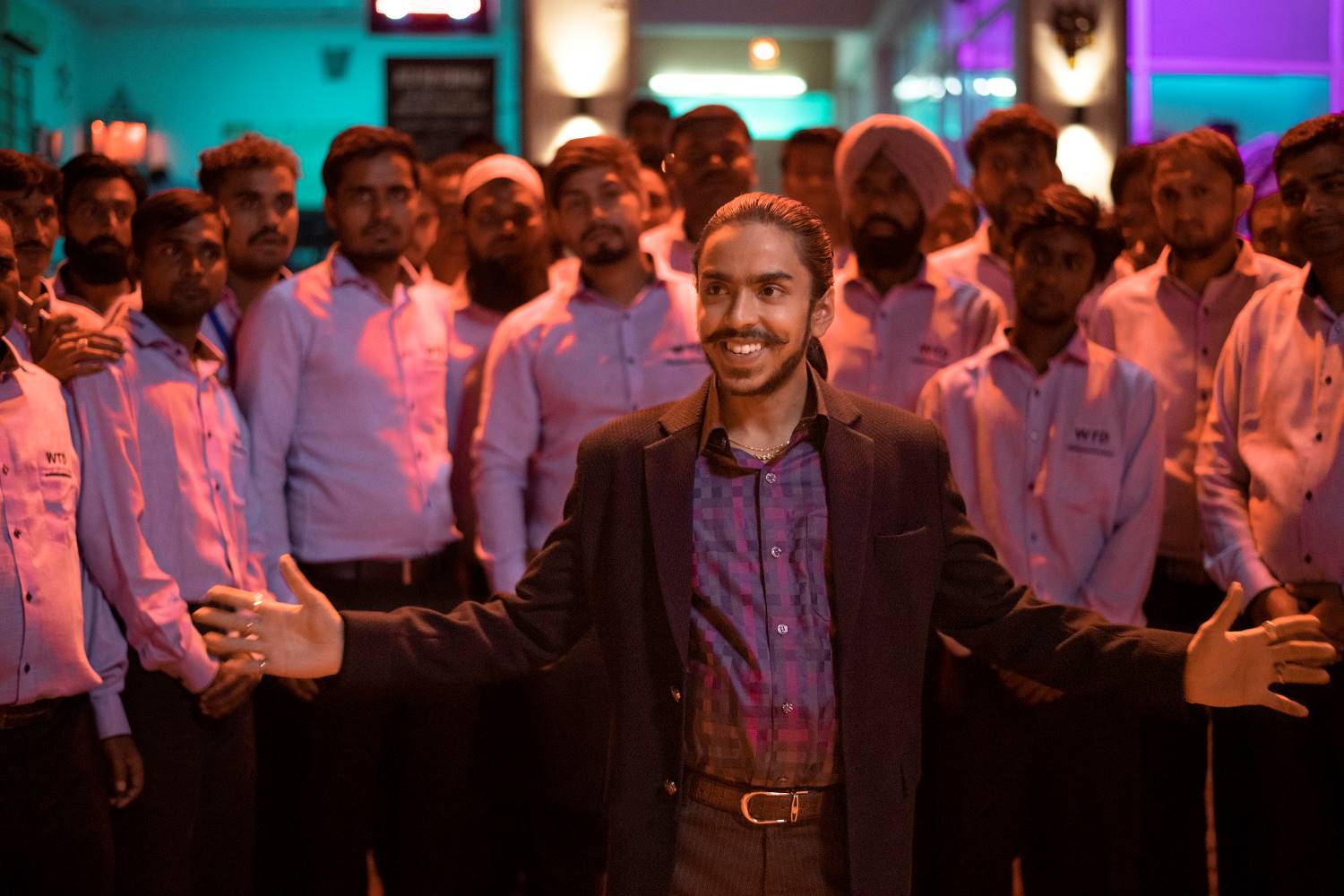
The running metaphor is that of roosters trapped in a coop. They see and smell the blood of slaughter but can do nothing to alter their fate. The narrator – Balram (Adarsh Gourav) gives the visiting Chinese Premier a written account of his ‘glorious’ journey from servant to entrepreneur. The voice is opinionated, streetwise, ironic and at times, darkly humorous – translated from text to screen with cultural sensitivity and deference. A twenty-minute voiceover sets the context interspersed with segments of subtitled Hindi dialogue to deepen credibility.

The choice of Gourav to play Balram works in that he is relatively new to film and his image comes association-free, allowing for an unencumbered portrayal of a marginalised character. In selecting prolific Bollywood actors Rajkummar Rao and Priyanka Chopra Jonas to play his NRI employers – Ashok and Pinky Madame, Bahrani raises a mirror to his audience. There are those who may identify with the young couple, seeing in them the promise of change, but they too are trapped in their own entitlement. It is often not clear whether Balram loves or loathes them – so complex is the master-servant relationship – their attitudes towards him are mercurial and often unsettling. Gradually, shifts in Balram’s perception of servitude become apparent – moving from an idealised view to a dark amoral terrain.
Comparisons might be made with Slumdog Millionaire, in that it too was an adaptation of a novel about wealth and poverty set in India, directed by a cultural outsider with strong Indian input and sensibility. But Balram reminds us that there is no million-dollar game show that you can win to get out of the rooster coop; only crime and politics offer exit points. White Tiger does not deal with the tropes of Hindi cinema but gives satirical voice to a class which has traditionally been stereotyped and misrepresented in film. According to Bahrani, there is a closer comparison with Bong Joon-Ho’s Parasite.
A mismatch exists between what Balram writes and what he sees and does – a visual irony. His labels may be glossy as he spouts the poet Iqbal’s idea of beauty or refers to himself in lofty, knowing terms, or mentions remorse, or his ‘glorious’ journey, but what we see are ugly relationships in ugly surroundings – the failure of the economic miracle and a movement from casteism to classism.
The grittiness of real locations, attention to Indian language and rhythms and reliance on actors who bring interpretive depth to a skillfully adapted narrative make for compelling viewing.
The White Tiger is streaming now on Netflix.

Yes I agree with Lidia Ostepeeve’s view – definately true to the book and the film does show the move from casteism to classism well.
Thank you Lidia for a fair andwell written review of this strong film.