



By Erin Free
In a world where successful directors usually get to the top by crashing through on pure ambition, or slide into the film industry via the slick, image-obsessed world of advertising, Francis Ford Coppola is a big, bearish anomaly. He’s a man obsessed with the actual art that runs through filmmaking, and someone constantly high on the opportunity that it provides for creating visual poetry. With art and artistry becoming less and less important in the world of cinema, it’s hardly surprising that Coppola has virtually removed himself from the industry. He now makes movies purely on his own terms (his last two films – 2011’s Twixt and 2016’s Distant Vision – made little to no impact on audiences), locating himself not just outside the traditional studio system, but outside traditional filmmaking routes altogether. Wealthy once again through his successful wine and pasta businesses, Coppola now basically bankrolls his own films, effectively letting himself off the leash.
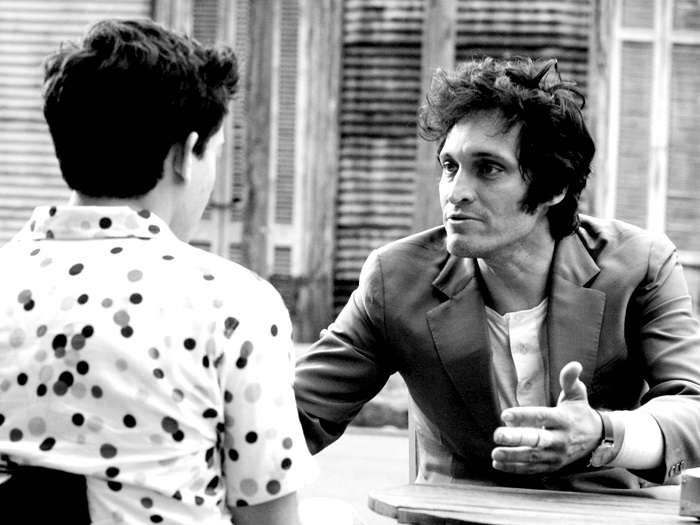
The first of his true contemporary outsider films was 2007’s little seen Youth Without Youth, which was then followed by 2009’s Tetro, a film as strangely enjoyable as it is wholly self-indulgent. Peppered with Coppola’s essential thematic and stylistic touchstones (opera, warring brothers, dysfunctional families, the corruption of art by commerce), the film was barely released in theatres in the US, and has never been properly released in Australia. Shot in glistening black-and-white (instantly bringing to mind Coppola’s 1983 monochrome masterpiece Rumble Fish), Tetro opens with young Bennie (engaging newcomer Alden Ehrenreich, who would later go on to headline the potentially career killing Solo: A Star Wars Story) arriving in a dreamlike Buenos Aires to visit his older brother. After a long, teasing build-up, we finally meet the titular Tetro (surprise casting choice Vincent Gallo is at his manic, wounded, heartfelt best), a tortured American writer who has absconded to Argentina to get out from under the shadow of his famous composer father (Klaus Maria Brandauer). As Bennie desperately tries to forge a connection with his brother, he soon realises that his family closet is literally rattling with skeletons.
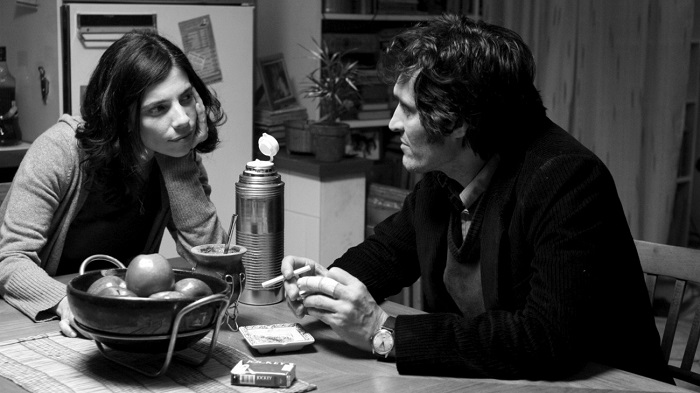
Boasting strikingly beautiful and occasionally surreal images, as well as curious shifts in tone, Tetro almost plays out like a traditional Hollywood melodrama. There are references to The Tales Of Hoffmann and The Red Shoes, and plot points practically as old as drama itself. It’s Coppola’s twisting and shaping of these classic elements, however, that make Tetro such a rich and rewarding experience. He may not be a typical Hollywood player anymore, but Francis Ford Coppola has become something far more important: a true artist.