



by Julian Wood
Worth: $17.00
FilmInk rates movies out of $20 — the score indicates the amount we believe a ticket to the movie to be worth
Cast:
Deguchi Natsuki, Makita Aju, Nanase Fūri, Okada Rokka
Intro:
The leads are very engaging and the darker side of the story arc does pack a punch beneath its rose-tinted exterior.
There is a sort of prejudice, or stereotype, that Japanese culture is ‘inscrutable’ (at least to non-Japanese). However, aspects of Japanese culture are now so intertwined with the ‘West’ that this idea cannot hold up. Comic books (Anime, Manga etc) and gaming and food are obvious points of intersection and cross-cultural fertilisation. So, there should be no impediment to entering into this elegantly-told tale of the friendship between two Japanese teenage girls. The fact that it is made by world class filmmaker Hirokazu Koreeda (Shoplifters, Sheep in the Box, Monster) adds another obvious element of anticipation.
Nonetheless, to really get the best from this film, you have to remember the centrality of comic book culture. Animation and Manga graphics would be up on almost every Japanese teenage bedroom wall alongside the cute cat pics and boy bands and the love of it can define the girls completely. The whole plot revolves around their obsession with drawing Manga comics.
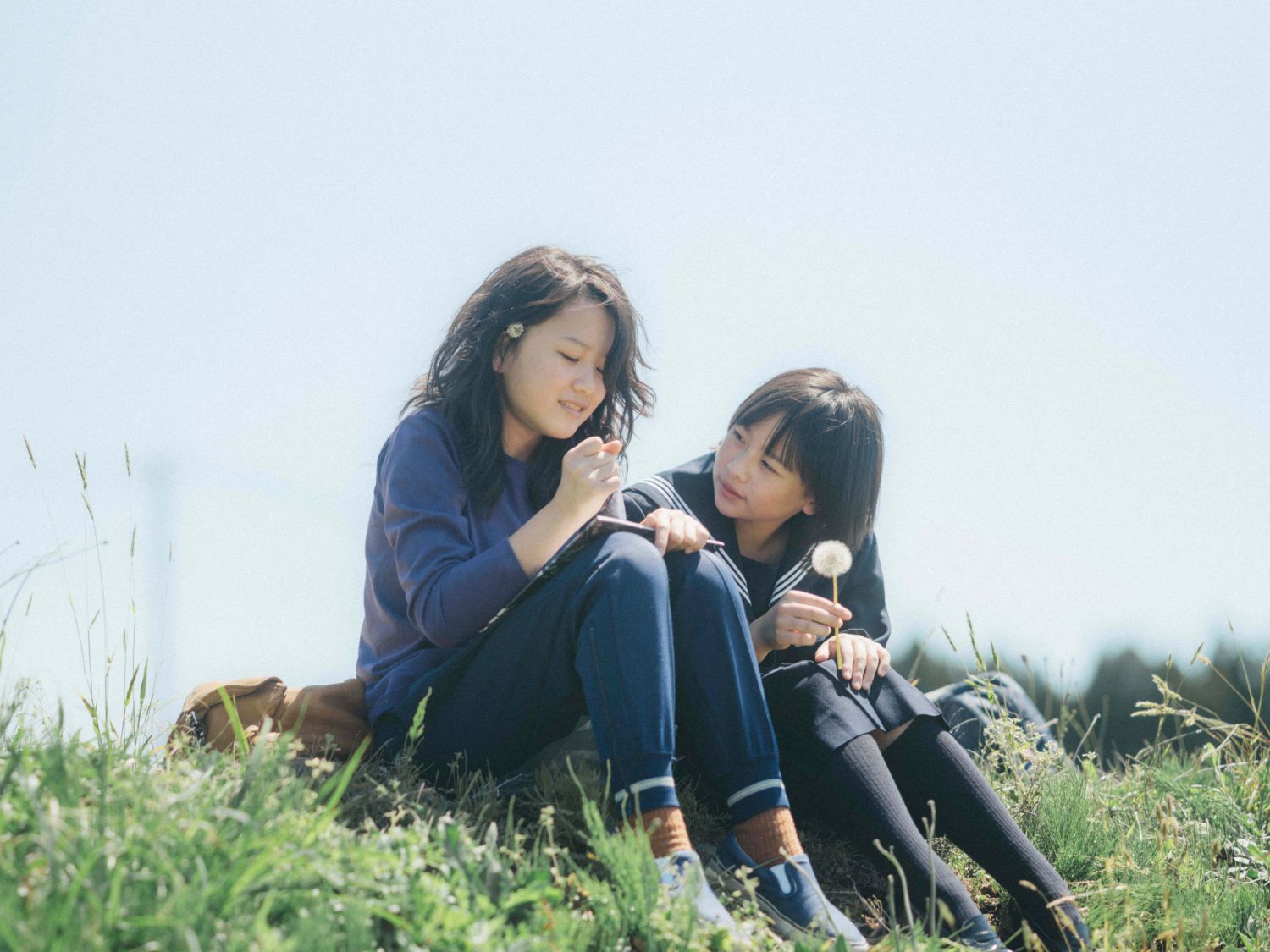
We start in the upper primary school years where Fujino is gathering social kudos by being the best at drawing little storyboard sequences. She discovers another girl, Kyomoto, who is possibly even better than her, at least in terms of drawing lush artistic backgrounds. The film tells the story of their friendship, which is both intense in a schoolkid crush kind of way, and in later years, when it is tinged with regret and even tragedy.
Koreeda is a master filmmaker and the way the Manga style is stitched into the palette and look of the film is beguiling. There are even some scenes of animation, which is a bold genre-stretching move for him. There is also a playful sense of familiar Japanese contrasts, from the crowded and hectic big city to the cherry blossomed snow-capped picturesque countryside. The use of music too is skilful, sometimes it is light and almost too sweet, but when there are deeper more poignant moments, his complete removal of any sound provokes a solemn intensity.
Koreeda has collaborated here with Tatsuki Fujimoto (Chainsaw Man), whose original one-shot Manga was the source material. This story would be familiar to most Japanese audiences of a certain generation. In that sense, he can rely upon the audience’s feeling for the milieu and the story. For those less tuned in, the film might appear at times both slow and a bit too cute. The leads are very engaging however, and the darker side of the story arc does pack a punch beneath its rose-tinted exterior. For every spring, there is also a winter.
