


by Stephen Vagg
“I’ll introduce you to David Del Valle – I think you two will get along.”
In the late 2010s, I moved to Los Angeles and was looking to make new friends in the big city. A friend and colleague, Mark Hartley, had met David Del Valle when making the documentary Electric Boogaloo: The Wild, Untold Story of Cannon Films. David had worked for Cannon and appeared in the film as a talking head. He and Mark had remained friendly, and Mark felt I should meet David too, figuring we would have much in common, particularly a love of old movies and Hollywood gossip. So, a lunch was arranged, we did get along, and thus began a friendship that lasted until his recent passing.
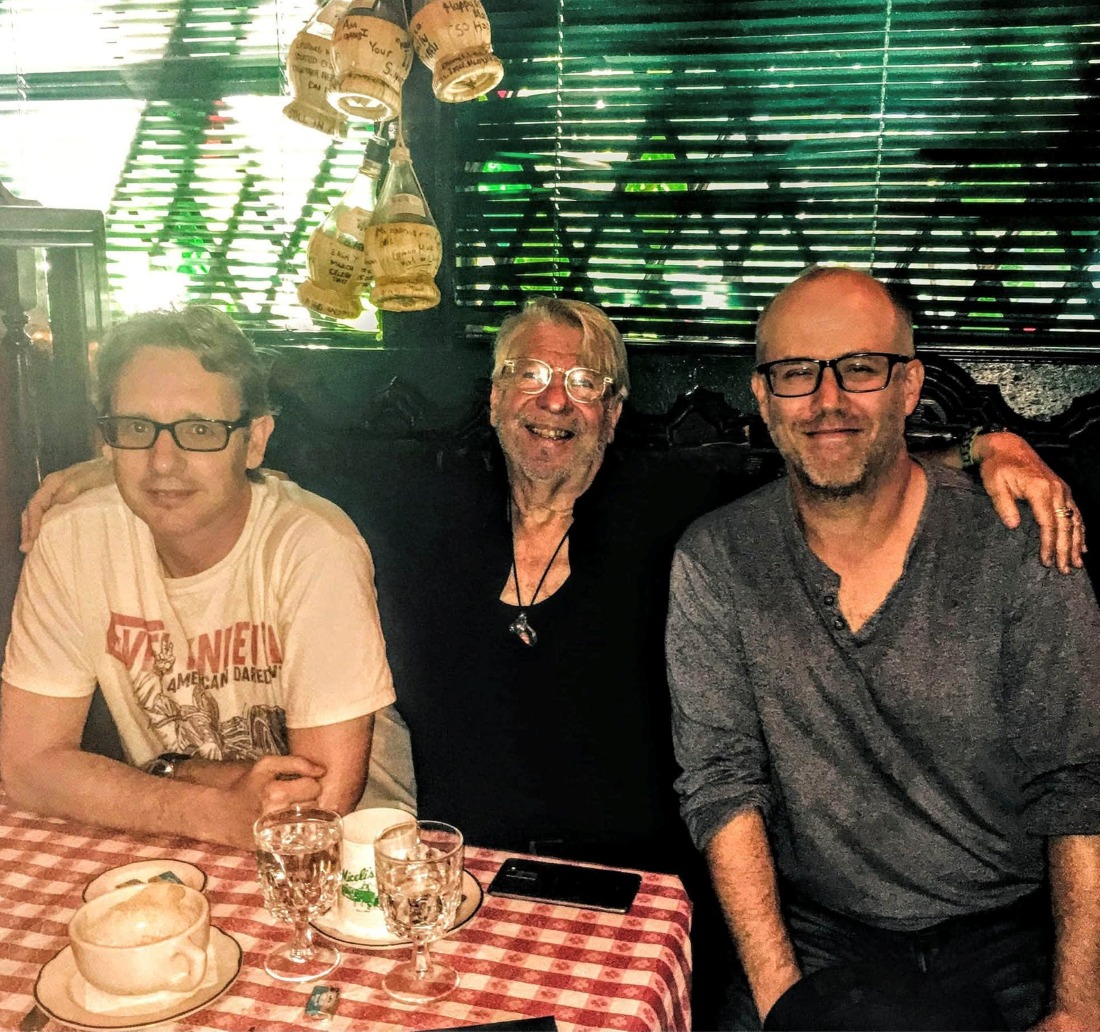
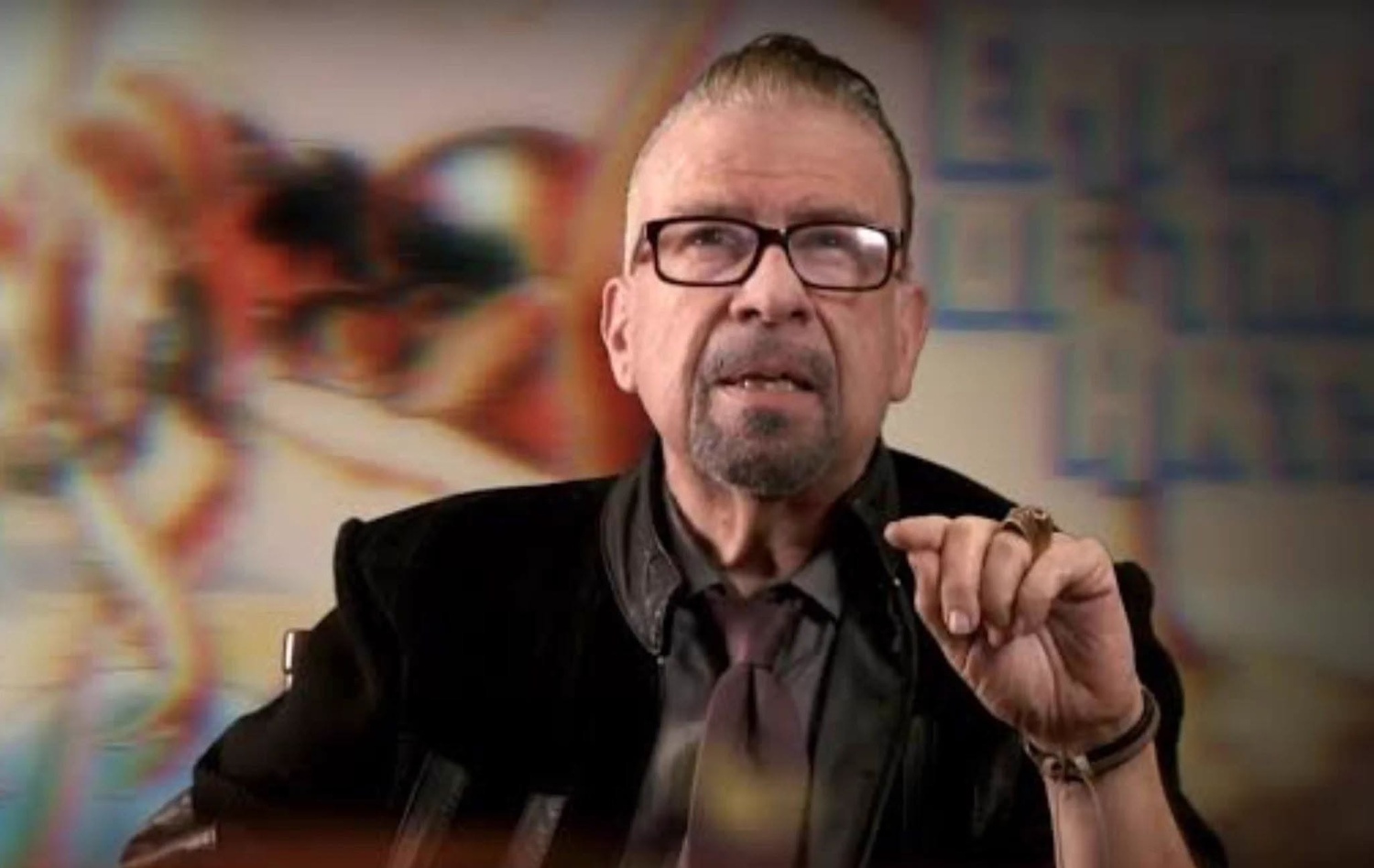
Whenever people asked me what David actually did, it always took me some time to figure out the best response. He was one of those LA characters, a kind of man about town; “town” being Hollywood, where he was forever popping up at screenings, Q&As, and autograph signings, often keeping company at the latter with some ageing starlet. He was probably best known in recent decades for his audio commentaries, of which he did more than a hundred, but he had a very real track record as a journalist, columnist, author, agent, film historian, publicist, executive, actor, and radio and television commentator. None of these terms quite did him justice either. David was just… David.
Born in Texas in 1949, David was a “monster kid”, whose passion for horror movies gripped him as a child and never left. He moved around a lot earlier in life, attending high school in Sacramento, going to college in San Francisco (having a good time) and living in New York in the early ’70s (having an extremely good time), before relocating to Los Angeles. He worked extensively as a film journalist, regularly contributing to magazines such as Films and Filming, Cinefantastique, Fangoria and Video Watch Dog. He hosted a television series, Sinister Image, and worked in talent representation, where his clients included Reggie Nalder, Calvin Lockhart and Barbara Steele. There were a lot of other jobs too, including the aforementioned stint at Cannon, writing several books and being responsible for all those commentaries. “I’ll do anything if you pay me,” David once said cheerfully, and he managed to carve out a sustainable film-related living over five decades, with a little help towards the end from social security and a rent-controlled apartment.
Hanging out with David Del Valle was hugely fun. He was a font of gossip, much of it joyfully unsubstantiated, particularly when it came to the sex lives of movie stars. David was gay himself – if you didn’t realise it from talking to him within ten seconds, he’d soon tell you. He was never shy about regaling an audience with amorous exploits, both his own and those of movie stars. David told me he tried being straight for a time, during the AIDS crisis of the 1980s, and even came close to being married “but realised I couldn’t do it to the poor girl.” I’m not sure a closet was ever built that could hold David Del Valle.
There was nothing like watching David in full flight. He could talk under wet cement about anything Hollywood-related – Vincent Price, the politics of the audio commentary game (there is such a thing), Bela Lugosi, Bela Lugosi Jnr, the pros and cons of various LA neighbourhoods, Cameron Mitchell, David Skal, George Cukor, where to get the best burrito, Christopher Lee, American politics, Curtis Harrington… I once expressed interest in meeting his good friend Barbara Steele and David said, “I can answer every question you have,” and promptly launched into a ten-minute (loving, accurate, hilarious) impersonation of Ms Steele on the sidewalk that covered Mario Bava, John Richardson, and (this one surprised me) Earl St John. On another occasion I was having lunch with David, Mark Hartley, Mark’s lovely partner Cherease and the director Philippe Mora, and David recited all of Christopher Lee’s lyrics from The Return of Captain Invincible (which Mora had directed). At another time in a diner he broke into the climax of a very naughty story involving Robert Mitchum, Monty Woolley and some furniture at a high volume, startling the local waitress. She couldn’t help smiling, it must be admitted – it was hard not to smile when David was around.
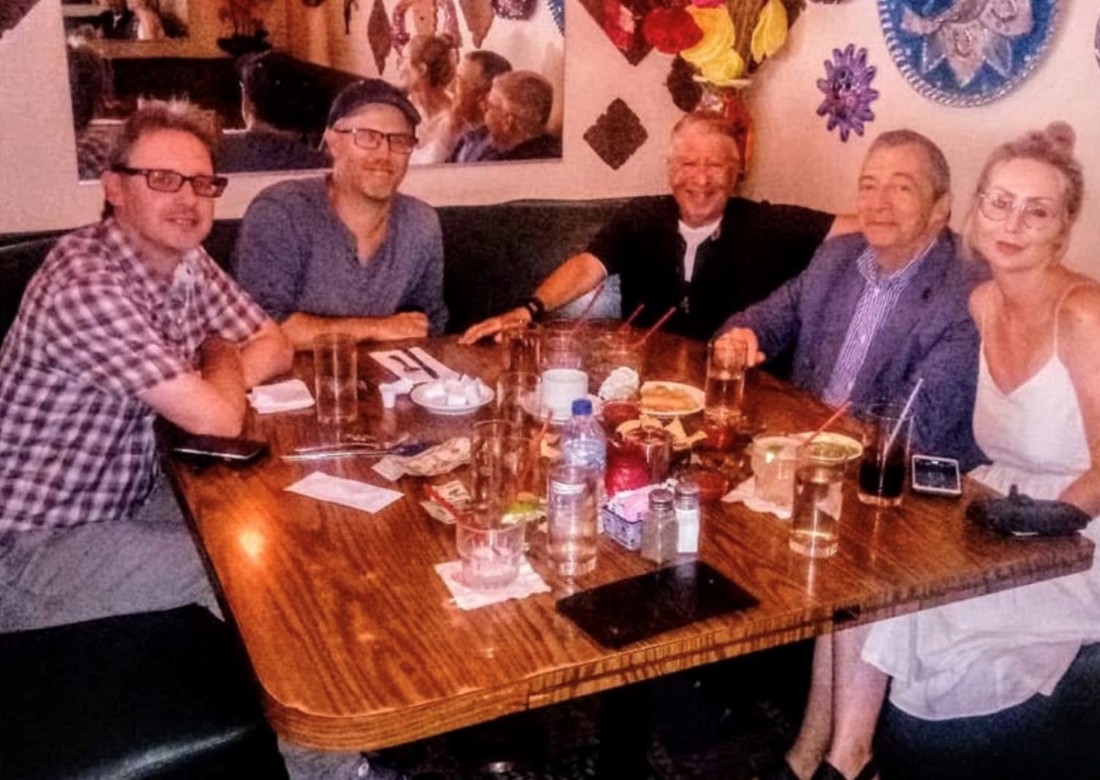
At one stage Mark Hartley and I were going to make a documentary about Robert Stigwood, and Mark had the idea of using David a sort of narrating historian for the project. I wrote some lines for David to say and never had more fun, his voice was so vivid, unique, alive. The documentary was never made, alas, nor were other projects we had discussed (a one-man show on Vincent Price, for instance) but planning them was always entertaining because David was simply entertaining to be around.
I should also mention that for all his camp, ego and salacious humour (all of which he gleefully admitted to), David also had a fierce intelligence, compassion and insight, about the movies, his family and friends, and the world in general. He was a genuinely skilled critic and movie historian – he was best known for horror movies, but his tastes ranged far wider. He loved the industry but was certainly not blind to its faults. He had lived, loved and lost, and bore those scars, but they converted into genuine wisdom and he never lost his enthusiasm for life, friendship and the movies. He never stopped being curious.
The great love of David’s life was his partner Chris, who died of HIV; David nursed him during those final years. David was a devoted, loving and kind friend who particularly enjoyed meeting new people and socialising with those junior in years to himself – it kept him young. He was rather chubby in his earlier years (David’s own words) but then discovered the gym and looked better in his later decades, which is one of the reasons why his death is such a shock. Others include the fact he had such brightness and joy.
Daniel Kremer, David’s good friend and fellow movie scholar, revealed in a Facebook post that David had been ill with cancer, writing, “He had been sick for the last year, in and out of hospitals and facilities. He didn’t want Facebook to know, partly because he feared the video labels would stop approaching him and he’d lose the work he loved so much (doing commentaries, many of which were with me the last few years), and also because he didn’t want everyone messaging him and feeling sorry for him.”
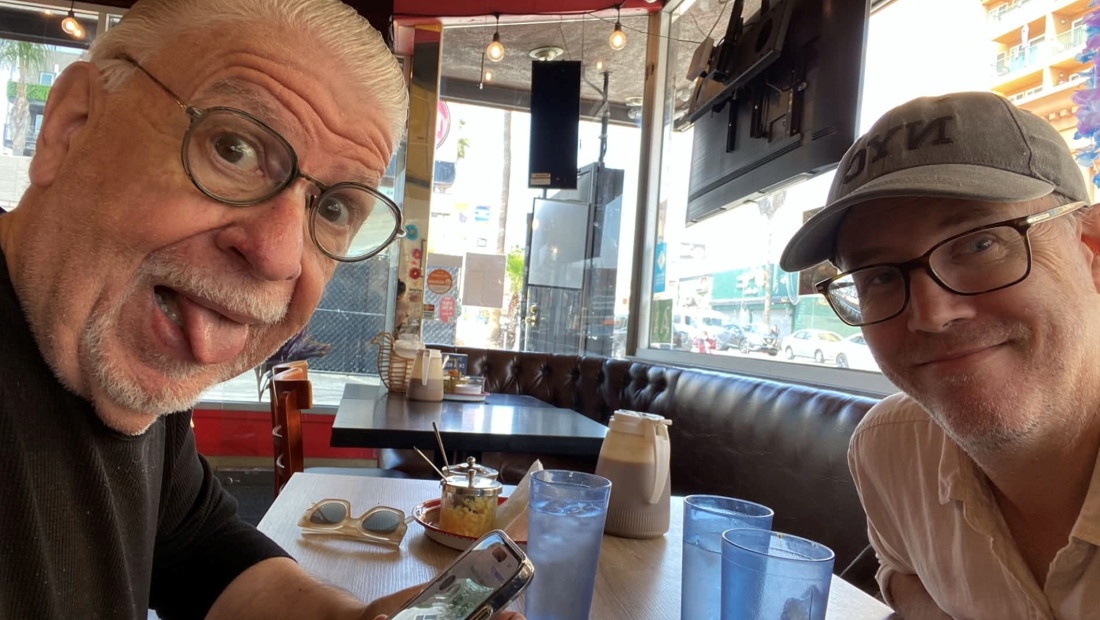
The world is a little more drab without David Del Valle. It is of some comfort to his friends that he lives on, not just in our hearts and memories but in countless commentaries and writings. I hope wherever he’s gone he’s having cocktails with Vincent Price, Clu Gulager and all his other friends, about to watch a great movie and then brag about it on Facebook. I will miss him a lot.
