



by Annette Basile
Worth: $15.50
FilmInk rates movies out of $20 — the score indicates the amount we believe a ticket to the movie to be worth
Cast:
Léa Drucker, Jonathan Turnbull, Mathilde Roehrich, Guslagie Malanda, Côme Péronnet
Intro:
… absorbing, comfortably above average and certainly no time waster.
Riding in the back of the car with his family, Guillaume (Côme Péronnet) was singing and joyful as they drove towards Paris to take part in the Yellow Vests protests, in December 2018, where tens of thousands rallied against high prices and inequality. He would end the day in hospital with permanent brain damage.
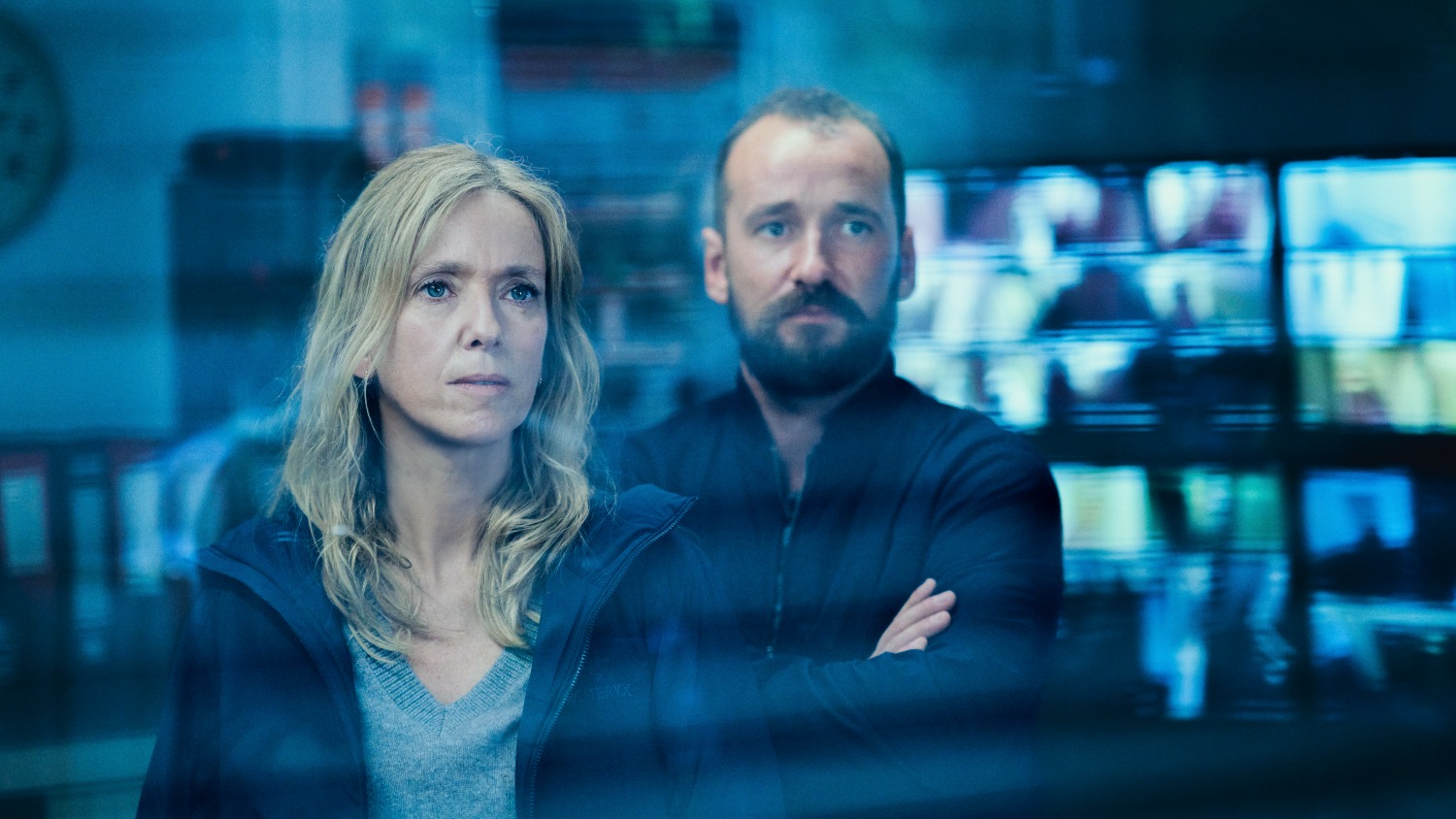
Guillaume, aged 20, was a victim of possible police brutality – a rubber bullet hit his head, shot from a particularly nasty type of riot gun. Stéphanie Bertrand (Léa Drucker) leads the investigation into the incident. A seasoned cop who now works for the IGPN – a branch of the police force that examines police misconduct – Stéphanie tries to uncover whether the cops were acting in self-defence when they fired at the young man.
A work of fiction based on real events, this film is aimed at a French audience – it’s assumed that the viewer is familiar with the history of the Yellow Vests protests. It’s not at all hard to follow, but you do wish that the filmmakers had added some context for international audiences. It begins almost documentary style, with the various officers – who all deny any wrongdoing – being interviewed by the meticulous Stéphanie. It’s all a bit dry to start with, but the early part of the film creates the scaffolding for a narrative that builds into an effective and increasingly involving drama.
Drucker is simply excellent in the lead role. She carries her character’s 20 years of policing in every step that she takes. It’s an exceptionally authentic performance. When her ex-husband’s new girlfriend (they’re also cops) questions her about why she’s investigating colleagues instead of criminals, she handles the situation diplomatically, before shooting a brief angry look at her ex. It’s a scene that showcases not only her character’s personality but Drucker’s quiet brilliance. The rest of the cast are also without fault, with Saint Omer’s Guslagie Malanda a stand-out.
Aspects of Case 137’s plot are clearly too convenient. Stéphanie just happens to come from the same town as Guillaume, and she just happens to bump into Guillaume’s mum in the supermarket. There’s also some evidence that appears later in the film that arrives deus ex machina style – effective but just a tad too neat. Plus, there’s a deliberate attempt at adding levity to break up the sombre and serious tone, in the form of a stray cat, trapped behind a grille, that Stéphanie rescues, adopts and names Yoghurt. Amidst allegations of police brutality, there are YouTube cat videos. Stéphanie is also a single mum with – again, conveniently – a teenage son, making it easy for her to put herself in Guillaume’s mother’s shoes.
Perhaps co-writer/director Dominik Moll (Harry, He’s Here to Help) is too deliberate with these purpose-built plot points. Yet it doesn’t detract from the film. Case 137 is absorbing, comfortably above average and certainly no time waster.
