



by Lewis Khan
Over the past twelve months, I’ve spent more time talking to private film investors than I have sitting with cinema audiences.
That wasn’t intentional. It’s just what happens when you’re developing projects in a market where private capital does more of the heavy lifting than it used to.
Something surprised me.
Almost nobody asked the questions that I expected. Sure, investors wanted to know about the screenplay, the budget and the cast. But they kept circling back to something else.
Who is already waiting to watch this?
That question reveals something bigger than whether a project will find an audience. It’s how the market is starting to identify filmmaking talent, often before the industry does.
Because the next generation of Australian directors may not emerge from film schools, festivals or funding rounds. They may already be building audiences somewhere we’ve stopped looking.
For decades, the Australian screen industry has had a recognised pathway for discovering directing talent. Make a short film. Build a festival profile. Develop relationships with producers. Secure funding. If enough pieces fall into place, a first feature follows. That pathway has produced many of Australia’s finest filmmakers, and it isn’t going anywhere. It’s just no longer the only one.
The investors I meet rarely ask whether a director attended the right film school or landed the right development grant. They assume that talented people can learn craft. What they’re trying to judge is whether this person can attract attention, build trust with an audience, and get people to follow them from one project to the next.
The traditional markers still matter; they demonstrate craft and persistence. But while the industry has been watching there, another generation of storytellers has been building an audience somewhere else, making vertical dramas on platforms like ReelShort and DramaBox, running weekly YouTube series, and posting to TikTok several times a day, and most of the industry still doesn’t count any of it as filmmaking.
We’ve made this mistake before. Danny and Michael Philippou, better known as RackaRacka, built one of the world’s largest YouTube audiences through horror, action and practical effects long before Hollywood knew who they were. By the time they directed Talk to Me, they had already spent years refining pacing, suspense and audience psychology in front of millions of viewers, on a platform most of the industry had dismissed. By then, Hollywood was just catching up to an audience that already existed.
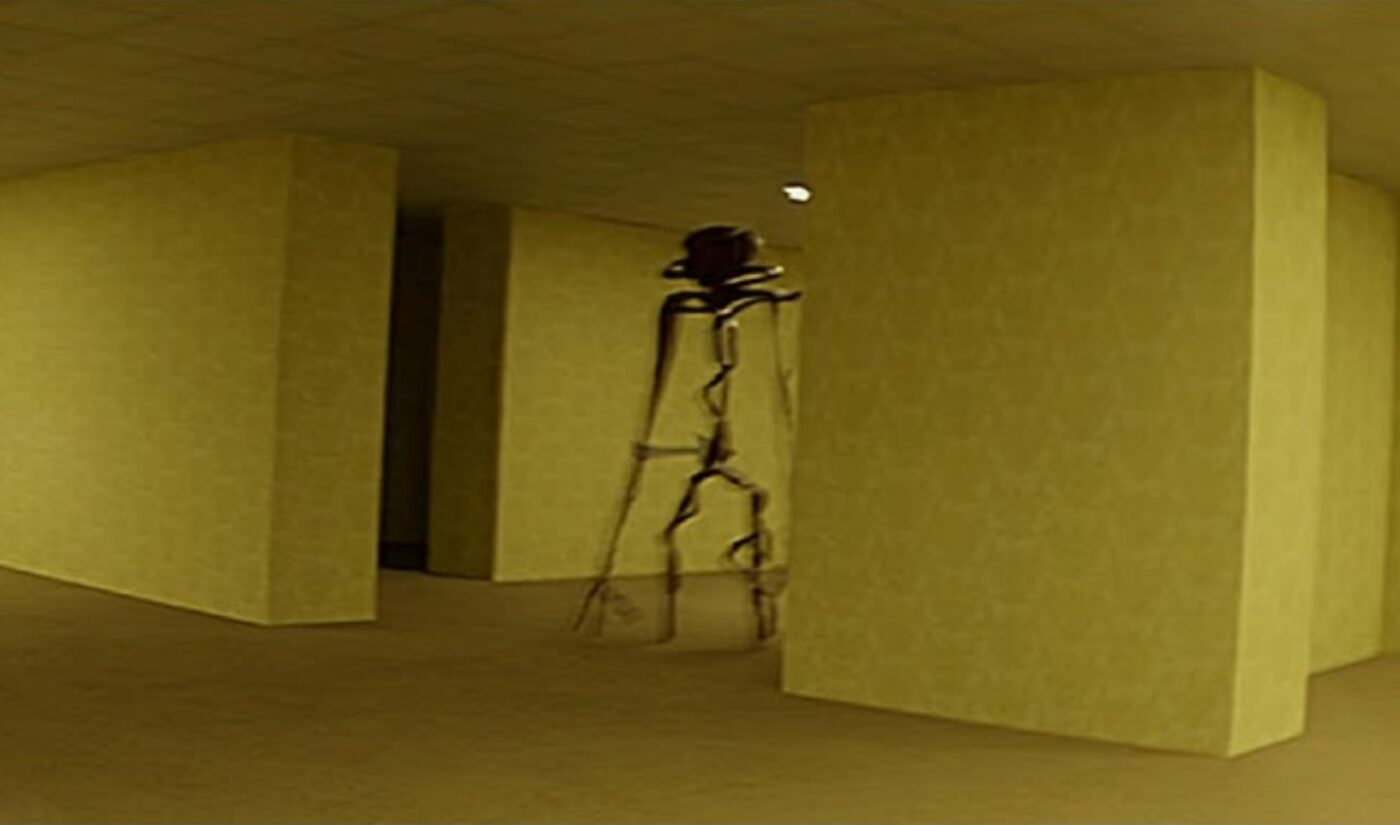
It’s still happening. Kane Parsons was just 16 when his Backrooms horror shorts exploded on YouTube. A24 didn’t discover him through festivals or the traditional development system; millions of people had already decided he was worth watching, and that’s what got Hollywood’s attention. By the time Backrooms reached cinemas this year, Hollywood wasn’t taking a gamble on an unknown filmmaker. It was backing someone who had already demonstrated demand.
Vertical storytelling isn’t just film turned sideways. Every format eventually develops its own grammar, and this one is still working out what that looks like. What matters more right now is that you can already see it changing the language inside financing meetings. Investors ask whether a filmmaker has built a community that will follow their work. Distributors ask whether demand exists before the marketing campaign starts. Audience has become part of development, not something bolted on once the film is finished.
None of this means every creator with a following is a future feature director. Most aren’t. It doesn’t diminish Screen Australia, state funding, AFTRS or the festival network either. Australia’s public screen ecosystem is one of the best in the world, and it should stay that way. The gap is this: we keep treating the traditional pathway as the only credible one, even as investors start rewarding a wider set of skills than that pathway was ever built to measure.
Every generation of filmmakers comes from somewhere the previous generation didn’t take seriously first. The real question isn’t whether that’s happening again. It’s whether we spot this generation while they’re still building their careers, or whether someone else gets there first.
We’re still looking for the next great filmmaker. They’re not waiting to be discovered. They’re waiting for the rest of us to notice they’ve already arrived.
Lewis Khan is a producer based in Sydney
