


by Anthony Frajman
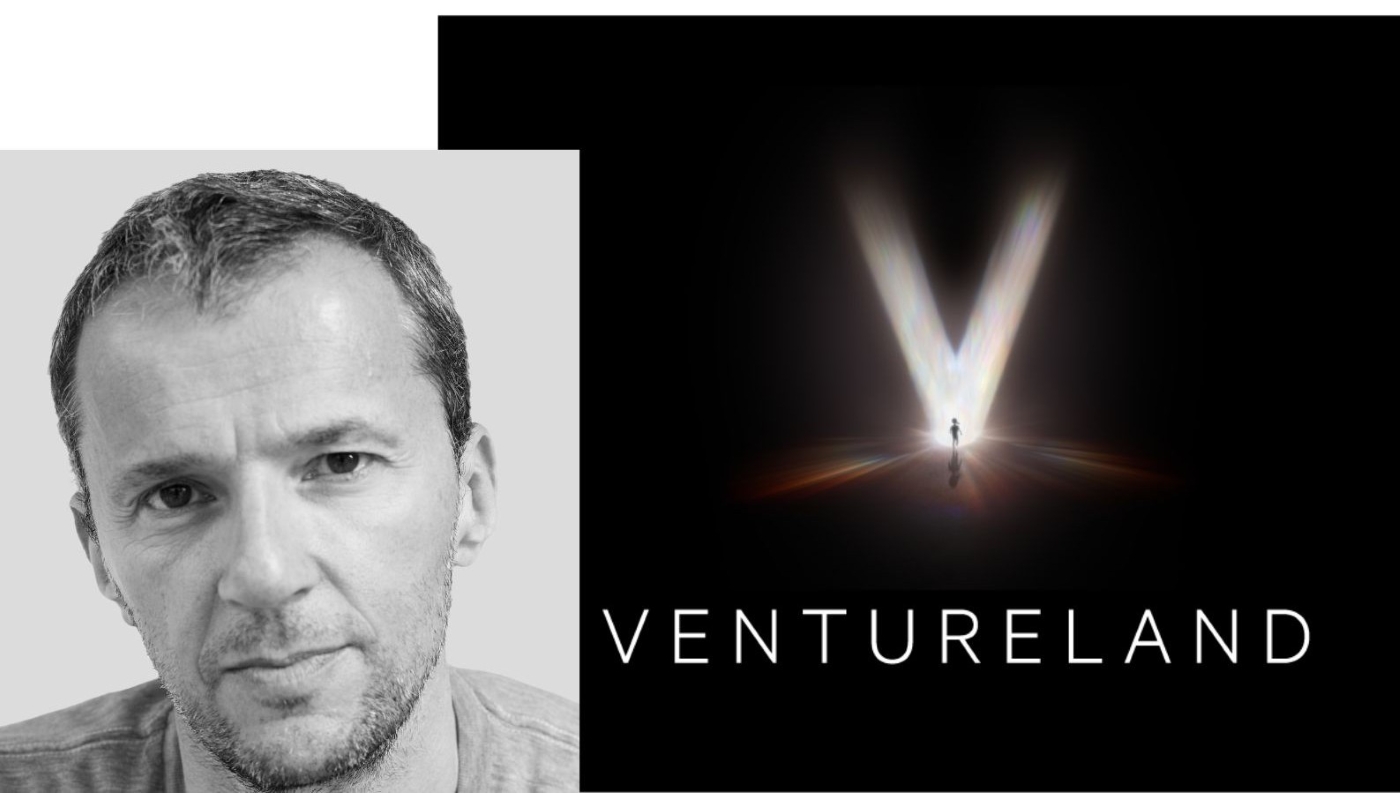
With a body of work that includes multiple Oscar nominations and groundbreaking films such as Searching for Sugar Man and The Rescue, producer John Battsek is one of the most prolific and esteemed figures in documentary.
His impressive credits also include Australian films The Australian Dream, Mystify, and an upcoming documentary about beloved Aussie singer Kylie Minogue.
Having run the highly successful Passion Pictures for 20 years, in 2020 Battsek established a new company, Ventureland. He has since produced the documentaries Beckham, Murder in Monaco and The Deepest Breath, to name a few.
During Australian International Documentary Conference (AIDC) 2026, Battsek shared his thoughts on the current marketplace for documentary filmmakers and reflected on his career.
You’ve been involved in documentaries for a long time. How has the landscape changed, particularly in the last few years?
“Over the period, it’s changed a lot. When I first started, there wasn’t really a landscape, but then off the back of When We Were Kings and Hoop Dreams, and I like to think One Day in September and a couple of other movies, there became a landscape. And it’s basically grown and grown and grown with the occasional hiccup ever since then.
“The last couple of years, it’s ebbed and flowed. There’s been some negatives, which is losing Showtime, CNN for a while and some of the other buyers. But then there’s been an influx of equity that’s become interested in financing docos, Netflix, Apple, Hulu, Disney, HBO, Sky, they’re all very active. I think budgets have come down a bit in the last couple of years.
“The sweet spot for what people want has narrowed a little bit, but ultimately, I still feel that it’s all about great stories. If you’ve got a great story, even if on paper it may appear to not be in the sweet spot, if it’s great, people want it. I’m sure if you pitched The Remarkable Life of Ibelin, every single buyer on the planet would’ve been like, ‘no way I’m touching that’. Ends up being an utterly beautiful, brilliant film that Netflix bought. When we were trying to finance Searching for Sugar Man, no one wanted in, and then it became Searching for Sugar Man. That’s part of what’s magical about what we do. No one really knows.”
What are a couple of trends that you’re noticing in documentaries at the moment?
“I think people remain fascinated by celebrity, whether it’s sporting or otherwise. There’s a trend which is a sort of paranoia about celebrities controlling the narrative of their films, which I happen to think is predominantly nonsense. People just assume because someone’s super famous that somehow, they are controlling the narrative of their story. Now, in some instances that may be the case. For instance, poor Ezra Edelman had a miserable time making his Prince documentary. But there are plenty of others where celebrities have an involvement, but it isn’t a controlling involvement, and you end up making great stories. I just don’t think as soon as the celebrity’s involved, that’s a negative. Not in the hands of proper storytellers.
“The other trend that has been for quite some time now, is true crime is a big winner. And I’m not in the true crime business. We did make a movie called Murder in Monaco that was more Knives Out than it was true crime that was on Netflix at Christmas. That seems to be evergreen.
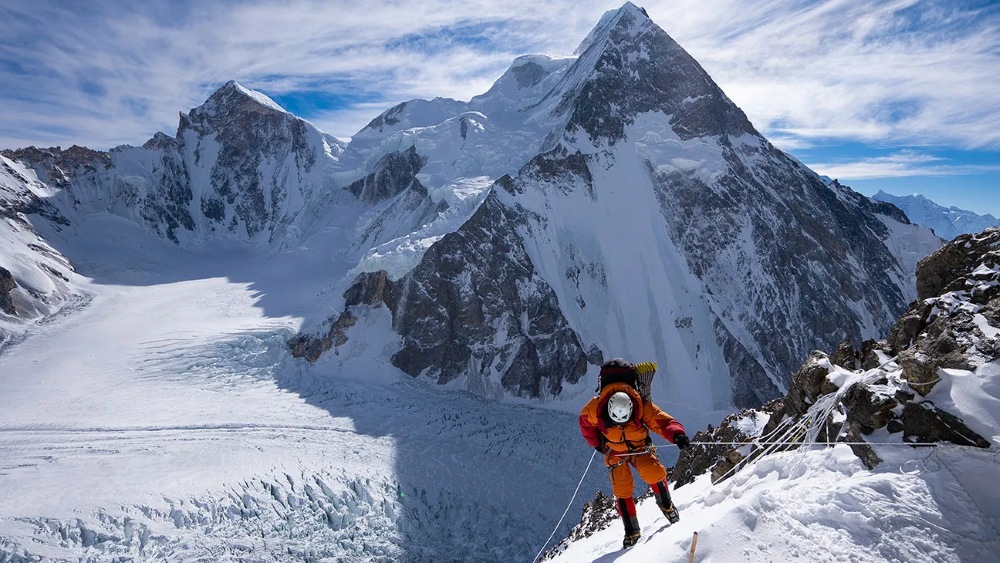
“And mountaineering films are evergreen. We just went to Sundance with our movie, The Last First: Winter K2, which Amir Bar-Lev directed, and there was a lot of attention, a lot of excitement, a lot of interest, and we sold the film well to Apple.”
What are the priorities of streaming commissioners as opposed to traditional broadcasters and distributors?
“I have done a lot of work with Netflix and now just working with Apple. I know Molly Thompson very well at Apple. These people are brilliant. They’re brilliant at what they do. They know what they’re talking about. You don’t have to agree with everything, and you can have a debate with them about that which you do not agree on. But the experience of working with commissioners from streamers is not much different from commissioners at broadcasters. In fact, if there is a difference, I think streamers really know what it is their audience want. And, as I said, you don’t have to agree with them, but engaging in what they have to say is part of the experience and pleasure of figuring out how you want to tell your story.
“Lots of (streaming commissioners) have filmmaking experience themselves. I’ve never had a problem with notes from streamers. You can’t not get notes from the people paying for your film. That’s the way of the world, they want to weigh in and you can do your best to talk them down. But I’ve always really enjoyed the process of engaging with whatever comes our way, even when I don’t agree. That’s part of producing, that’s part of directing, that’s part of the process. And if you are respectful and don’t throw your toys out of the pram, it’s eminently manageable.”
Is there an advantage to theatrical distribution or traditional broadcasters?
“If it’s a theatrical doc, then there’s an advantage to going theatrical these days. What makes a theatrical doc… Through the course of the boom of documentaries, if there’d been five docs a year that went theatrical and did business, I’d be surprised. It takes something for a doc to really have theatrical legs. And I think, the skill is recognising which those are. The marketplace is primarily not structured for theatrical documentaries. So, it takes the exception. Hats off to Sony Classics. No one else would’ve thought that Becoming Led Zeppelin was going to do $10 million at the box office. But there are always exceptions.
“Two or three times a year, a film breaks out. But it’s been that way for three decades. It’s not like there was a period when doc after doc after doc was doing solid business at the box office, it’s not that dissimilar from movies, a bunch of them hit, and most of them don’t. And that’s the sort of landscape that we’re all in.
“I like the idea of eyeballs. I like the idea of spending two years, giving up a pound of your flesh to make a movie, and knowing that it’s going to get watched by a hell of a lot of people at the end of the day. And that’s now the advantage of the streamers primarily.
“But we’re making films with BBC now, which I haven’t done for quite a while. I’m always very happy to make movies with the right partners who connect to the material we’re trying to make in the same way that we do.”
You fell into documentaries by accident. Did you think that you’d still be making documentaries these days?
“Every single day, there’s a moment where I think how amazing it is that I’ve done that now for 25 years, and that it really is an industry and it really is a business, and I’m really a part of it. I feel incredibly lucky and privileged and thankful for all of that. I’ve had an incredible time, told unbelievable stories, met incredible people, and I feel very, very lucky in that regard.”
Have you considered going back to narrative features?
“I’m happy making documentaries and for as long as I keep working, I’ll be utterly delighted to keep making documentaries. But as it happens, we are now a year into developing two scripted remakes of documentaries that we’ve made in the past few years. We’re doing a scripted remake of Bobi Wine: The People’s President, and a scripted remake of a free diving movie we made called The Deepest Breath. That doesn’t signal me going back into theatrical, but it does signal us trying to make a couple of scripted movies alongside the docs that we continue to make. And I’m excited about that. I’ve done it before very unsuccessfully and very unenjoyably, and now I’m hoping to be able to do it. So far, I’ve really enjoyed it. Hopefully we’ll get them made and I’ll enjoy that part of the experience as well. So yeah, there’s a little bit of that going on.”
What makes a compelling documentary subject for you?
“I suppose in the simplest of terms, a compelling subject to me is one that I think has the ability to connect with as broad an audience as possible, but also is greater than the sum of its parts. Searching for Sugar Man is about a man who seems to have missed out on his own career, but really, it’s about life. It’s about fatherhood, it’s about being a parent, about being a child. It’s about understanding there’s no greener grass than the grass under your own feet. It’s got multiple layers that it can resonate in all sorts of different ways to all sorts of different people for all sorts of different reasons. That’s what we look for, in every film we try to make.”
What are some of the biggest challenges you face as a producer at the moment?
“It’s still a challenge to get all your films commissioned. For all the films we do get commissioned, there are a bunch of films that we don’t get commissioned. And I suppose that we feel passionate about the projects that we don’t manage to get off the ground.
“I think in some respects, the biggest challenge is maintaining a standard. At Ventureland, we have managed to set a standard, which is really important to us, and we’ve enjoyed doing that. And what I challenge us all to do each time is to maintain that and to raise that level. So, I suppose keeping yourself relevant and making sure the creative level that you achieve is the highest it can possibly be, is the biggest challenge.”
Are you optimistic about the marketplace for documentaries?
“Yeah, I am. I think whoever you are, if you’ve got a really strong idea, you’ve got a very good chance of getting it made. If you are new to the game, you may have to team up with someone who has more experience than you to help you make your film. And we do that a lot. But Netflix is huge out there. Apple is huge out there. Disney, Hulu, HBO, Channel 4, Sky, there are all these people who are in the business of what we’re trying to do. And yes, maybe not quite as aggressively or maybe more aggressive. It ebbs and flows, like I said, but there’s a real landscape out there. And I think that in itself makes me feel optimistic.”
