


by James Mottram
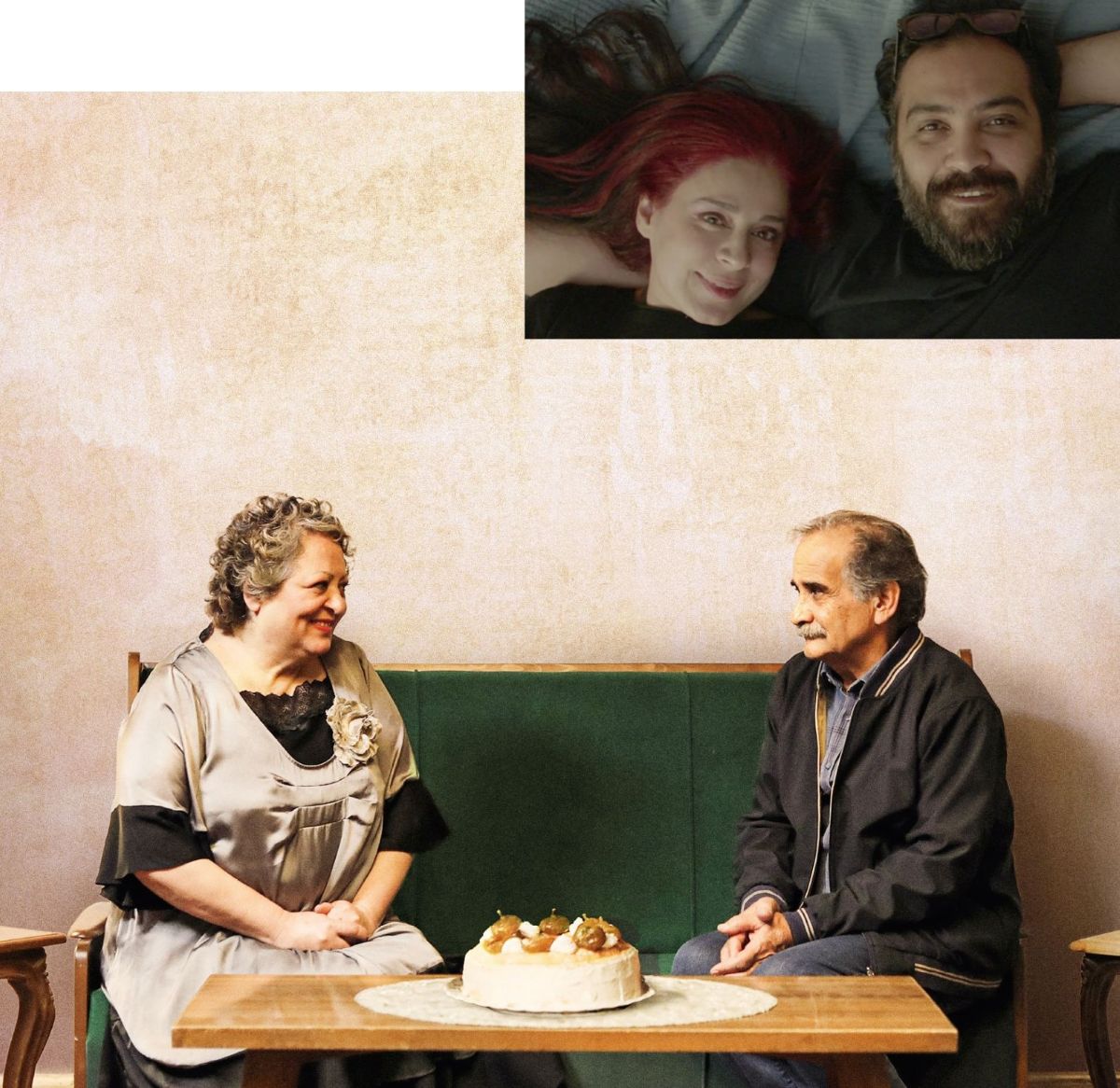
“Living in Iran… you cannot imagine how hard it is,” says Maryam Moghaddam. She is joined in the chat by her creative and life partner Behtash Sanaeeha. Together, they’re behind My Favourite Cake, a film that has caused waves of controversy in Iran. The story of an elderly woman and an ageing taxi driver, who enjoy a night together in her apartment, the film has seen Moghaddam and Sanaeeha come under immense pressure from the Iranian government for its content.
Problems began in 2023 when the authorities raided the house of the film’s editor. “They took all the computers and all hard drives. We were really lucky that we had a version of the film in Paris in the postproduction lab,” explains Sanaeeha, who calls the last two years “the most stressful” he and Moghaddam have ever endured. Banned from leaving Iran to attend the film’s world premiere in February at the Berlin Film Festival, the couple later had their passports returned – only to have them confiscated again when they attempted to attend the Swedish premiere.
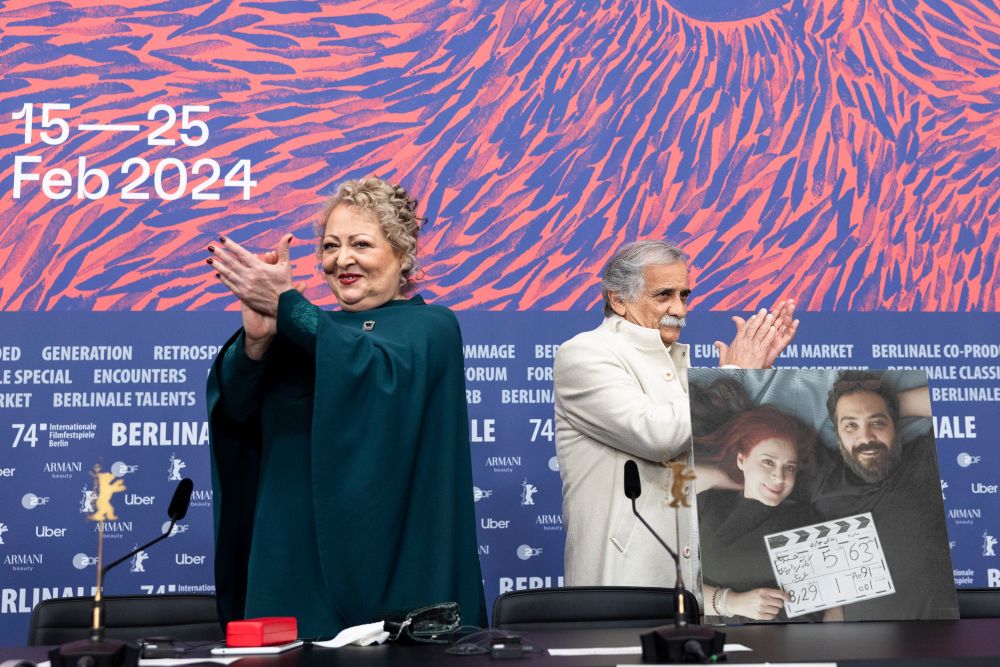
Moghaddam and Sanaeeha are not the only film directors to face issues under the Draconian laws of Iran. Recently, Mohammad Rasoulof fled the country before his film The Seed of the Sacred Fig played in Cannes, where it won the Fipresci award, while veteran filmmaker Jafar Panahi (The White Balloon) has served jail time after clashing with the government. “For now, our case is the most complicated one,” notes Sanaeeha, without a shred of complaint, “because Rasoulof left the country [while] Panahi is also free to travel. He got his passport back two years ago.”
First meeting 13 years ago, Moghaddam and Sanaeeha are artists who simply put their freedom and liberty on the line to explore the society they live in. “We have to add that we were aware of those consequences, and we chose to take those risks,” says Moghaddam, “and now we think that it has been worth all of those consequences, because otherwise you cannot change anything. You cannot live in misery all your life, and don’t take a step to change it. People are taking risks. I think everyone has to take risks – artists, everyone.”
The film stars Lili Farhadpour as Mahin, a free-spirited widow who encounters Faramarz (Esmail Mehrabi), a military veteran who is also in the autumn of his years. Picking her up in his cab, Faramarz is soon invited back to her house, where they dance and drink. The film also shows scenes of women with their hair out and not wearing the hijab on their heads. Or as Moghaddam puts it: “[The film contains] everything that is forbidden in Iran.” Is it any wonder the so-called modesty police cracked down on the production? “They always have spies everywhere,” sighs Sanaeeha.
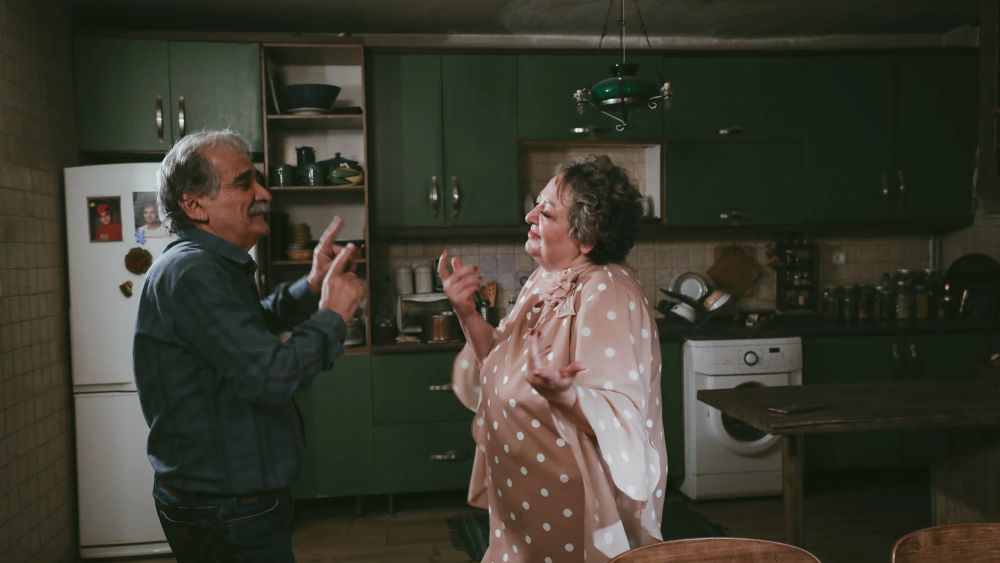
The project began several years ago, when Sanaeeha and Moghaddam started crafting a story “about life, about death, about the shortness and meaninglessness of life.., but how, even if it’s so bizarre, it’s worth living,” says Moghaddam. “Because of those very short moments of happiness. And then we chose an older couple, because we thought that they have a deeper talk about loneliness, about life and they feel closer to death.”
Adds Sanaeeha: “Both of us, we were interested to make a film about the real life of Iranian woman, a life without any censorship, without the red lines… like the mandatory hijab, like showing the scenes of a real relation between an Iranian man and Iranian woman. They can touch, they can dance, they can drink”
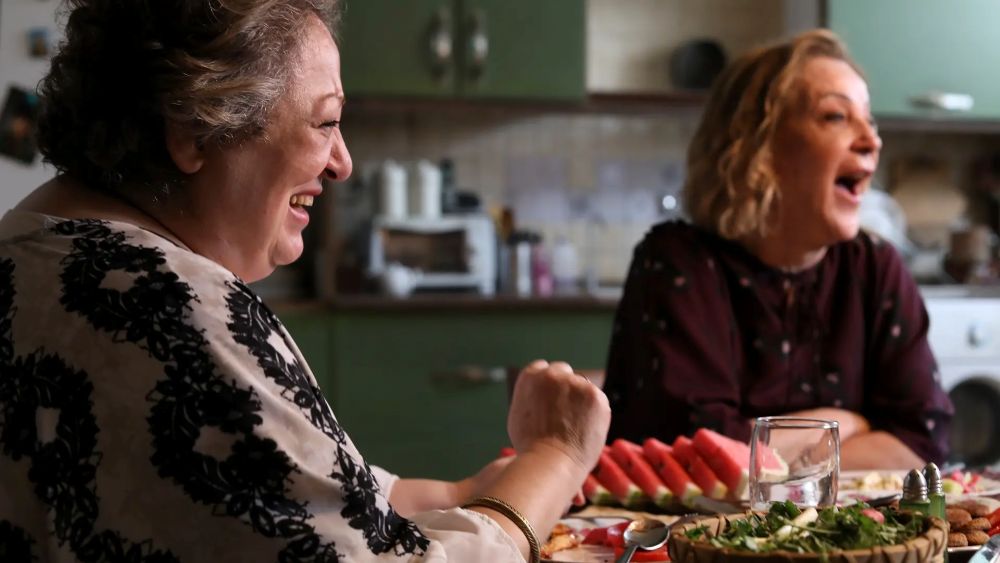
All of this, adds Moghaddam, has been forbidden in Iran since the Revolution, to either show on film or, worse, do in public. “At home, there’s no one to check you. But outside, we have to pretend that we are not a normal person, but someone very religious, and pretend that we are very like they want us to be. But at home, we are normal people. We dance, we make love, we drink, we do everything. We don’t wear the hijab at home because we have to do it outside. It’s time to be honest and show how real life is.”
Rarely, in any country, do movies allow audiences to engage with older characters, another reason why My Favourite Cake feels special. “In the movie industry, we’re told only very young people’s lives and desires and love is attractive,” says Moghaddam. “And older people are not attractive anymore. They’re not interesting. But they are really interesting and attractive. A human being is interesting. We thought that we shouldn’t obey those unwritten rules. People can be beautiful and attractive, even if they are not the way we’ve learned to see.”
When it came to casting, the directors decided to mix things up. Mehrabi is a well-known professional actor, but Farhadpour is a journalist, who featured in a small role in the couple’s 2020 film Ballad of a White Cow. “When we were writing Cake, we were thinking about Lily,” explains Sanaeeha, “and when she read the script, she was very interested in the role, and she was brave enough to be in this. She knew that there are consequences, but she accepted them.”
Although both the actors were able to travel to Berlin for the festival, there were ramifications. “They are not allowed to work anymore for now,” says Sanaeeha. He and Moghaddam also face an uncertain future. “The problem is that it’s not easy for us to concentrate on our ideas or treatments that we have,” he continues. “We have a lot of stories. We want to make more films in our country. But in the last couple of months, we couldn’t concentrate.”
Yet for all this, the pair remains hopeful that change will come in Iran. “Actually, the people will make the change,” says Sanaeeha. “And it’s the hope for us. Especially Iranian women. They are fighting for their rights, and they will get their rights, and this is why we are trying to support them with our films.” Moghaddam nods in agreement. “It’s not easy, but we really believe in change, and we believe that we have to do [all this] to make this dream come true.”
My Favourite Cake is in cinemas from 5 December 2024. The film screens at the Perth Festival from 2 – 8 December 2024, tix here.
