



by Ronnie Pepper
In this modern world, where the senses are continually bombarded with digital media, an intriguing countermovement is taking shape in photography and videography. In the face of drone shots, flashy transitions, and polished digital visuals, the increasing desire for authenticity and tangible nostalgia is driving people to chronicle landmark events using the charm of vintage techniques.
This article delves into this re-emerging aesthetic, highlighting the allure of vintage wedding videography and photography techniques.
The enduring appeal of vintage techniques
In a digital landscape inundated with filters, people are growing increasingly tired of the look that digital perfection apps and post-production software provide. The raw nature of using film offers an alternative with a knack for resonating deeply with people, bringing the authenticity and sincerity often absent in digital images and videos.
Across the world, professionals like SvenStudios are fuelling this emerging trend by employing and promoting these vintage techniques. Here are some of the factors contributing to vintage techniques’ enduring appeal:
- Nostalgic appeal: Vintage films and photographs often have a soft, hazy quality that evokes feelings of love and longing. These techniques create a sense of nostalgia and romance that’s ideal for capturing special events like weddings.
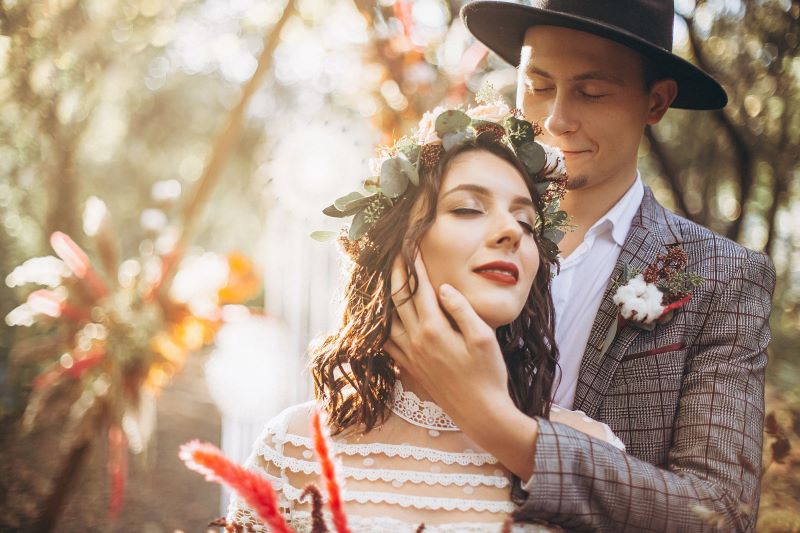
- Unique aesthetic: Vintage techniques can add a touch of elegance and sophistication to films and photographs. For example, film grain can give wedding videos a more cinematic look. Meanwhile, the use of shallow depth of field can help focus attention on the bride and groom, making them the unmistakable stars of the show. This unique look offered by grain, light leaks, and unique colour tones can make photos and videos more personalised and artistic.
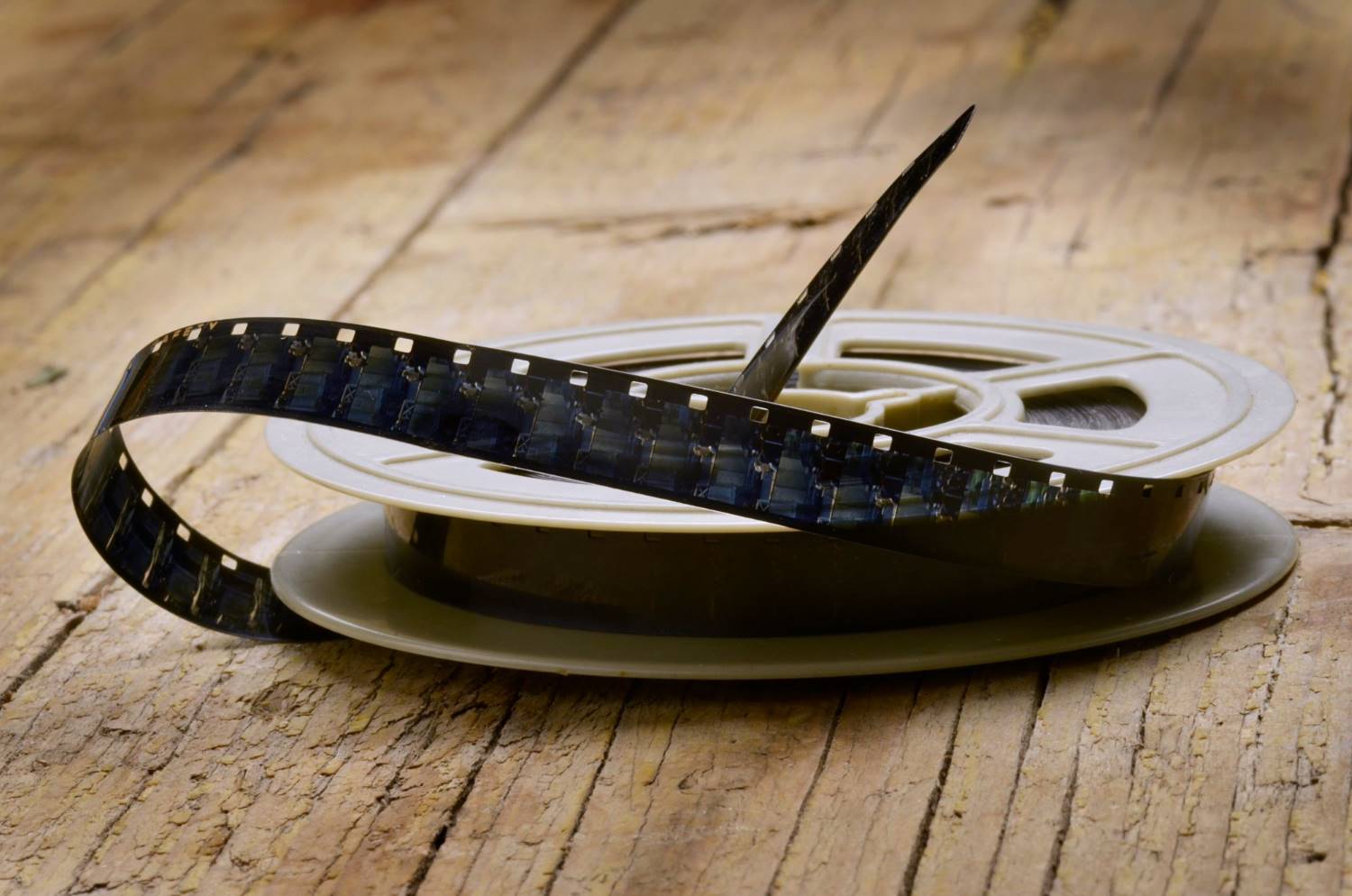
- The physicality of analogue: Film negatives and Super 8 reels bring a tactile element to analogue media. These tangible elements provide a sense of permanence, tangibility, and concrete mementos for significant life events.
These factors combine to offer a refreshingly authentic and distinctive way to capture and commemorate life’s most significant moments, leading to the reemergence of vintage techniques in film and photography. Check out this charming example from SvenStudios.
Vintage film and photography: A reflection of a cultural shift
The revival of analogue techniques reflects a broader cultural pivot, a reaction against an increasingly digital and AI-driven landscape. Here are a few other reasons why people are gravitating towards more organic and genuine aesthetics:
- Oversaturation of digital content: The constant barrage of digital images and videos from social media and advertising has led to fatigue and a longing for something more tangible and real.
- Artificial perfection: As alluded to earlier, the digital visual landscape promotes an ideal of perfection that can feel artificial and impersonal. In contrast, the ‘flaws’ of vintage techniques, such as grain and light leaks, can add character and authenticity. These imperfections offer a refreshing break from imposed perfection.
- AI resistance: As AI becomes more prevalent, there’s a pushback from those who value human craftsmanship and organic creativity. The resurfacing of vintage film and photography techniques epitomises this sentiment.
Amid the joy and emotion of significant life events, such as weddings, there’s a desire to create a lasting testament that captures the essence of the moment rather than an artificially perfected portrayal. The inherent authenticity and emotive power of vintage techniques perfectly meet this desire.
Tips for using vintage techniques in film and photography
Here’s how you can create beautiful visual mementos:
- Use film: Using film is the best way to achieve the classic look of vintage photos and videos. However, if you’re shooting on a digital camera, you can use film emulation filters to add that vintage aesthetic.
- Use vintage lenses: These lenses can create a softer, hazier look than modern lenses.
- Experiment with different techniques: Different film stocks have different characteristics. For example, some film stocks create a warmer, more nostalgic look, while others provide a cooler, more modern aesthetic. Meanwhile, vintage photos often have a soft, hazy quality achieved by shooting in diffused light. Try shooting in different lighting conditions to see what you like best.
While vintage filmmaking and photography techniques have distinct aesthetic advantages, they can be significantly more time-consuming and expensive than shooting with a digital camera. Fortunately, there are many different filters and presets available that you can use to mimic the vintage aesthetic.
Final words
Vintage techniques in film and photography offer a refreshing departure from the norm, where the old is reborn, and authenticity is embraced as a new standard of beauty. This nostalgic revival provides a unique and profoundly emotional method of commemorating life’s milestones. It reminds people that the most captivating moments are genuine and unfiltered, reflecting the beauty of real life.
If you’re drawn to this aesthetic, it’s important to ask your photographer/videographer the right questions to ensure they can deliver the look and feel you’re after. Ask whether they shoot on film, offer vintage-style editing, or have experience with nostalgic tones and textures. You might also want to see examples of their work that use natural lighting, grainy textures, or muted colour palettes. Understanding their creative process and how they capture candid, unposed moments will help you choose someone whose style aligns with your vision of timeless romance.
