



by Dan Slater
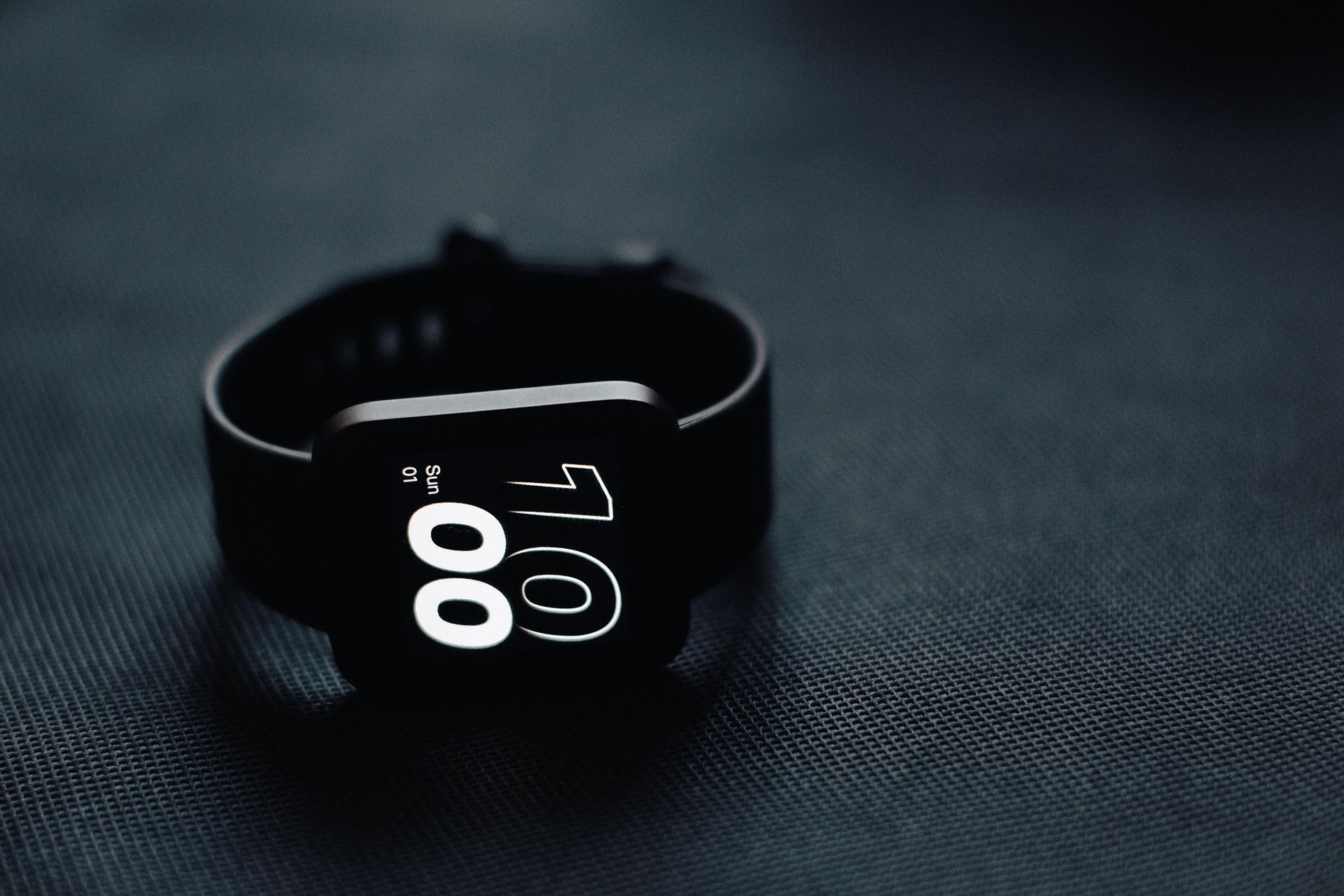
A decade ago, a fitness tracker was little more than a digital pedometer clipped to your belt. Today, the device on your wrist or finger can estimate how well you slept, flag an unusually high heart rate and remind you that you have been sitting still for too long.
Wearable technology has quietly moved from gadget to habit. For millions of people, checking a morning ‘readiness’ score has become as routine as checking the weather. But what exactly are we tracking, and is all this data actually changing how we live?
Far More Than a Step Counter
Modern wearables pack a surprising number of sensors into a very small space. Depending on the model, a smartwatch or smart ring can measure:
- heart rate, both at rest and during exercise;
- heart rate variability, often used as a rough indicator of stress and recovery;
- blood oxygen levels;
- changes in skin temperature overnight;
- movement patterns that help estimate sleep stages.
Some watches can also record a single-lead ECG or alert the wearer to signs of an irregular heart rhythm. None of this replaces a doctor, but it gives people a continuous, everyday view of their body that was once only available in a clinic.
Sleep Became Something We Measure
Perhaps the biggest cultural shift has happened at night. Sleep used to be judged by a simple question: ‘Do I feel rested?’ Now many people wake up to a detailed breakdown of light, deep and REM sleep, along with a score out of 100.
This has made sleep a talking point in a way it never was before. Friends compare bedtimes, and colleagues blame a poor score for a slow morning. For many users, seeing the effect of a late coffee or a glass of wine in black and white is the nudge they need to change a habit.
There is a flip side, though. Sleep researchers have even coined a term, ‘orthosomnia’, for people who become so anxious about achieving perfect sleep data that their actual sleep suffers. Like any tool, a tracker works best when it informs rather than dictates.
Tracking Our Downtime, Too
Interestingly, the urge to measure has spread beyond fitness. Many people now apply the same mindset to their leisure time, using the screen-time dashboards on their phones and watches to see how many hours go on social media, streaming or games.
Whether someone unwinds with a box set, a mobile puzzle game or a few spins at an online casino like Fortunica, the principle is the same: knowing where your time goes makes it easier to keep entertainment in balance. Setting a daily limit, or simply glancing at a weekly report, turns a vague feeling into a clear picture.
Small Nudges, Real Behaviour Change
The most powerful feature of a wearable may not be any single measurement, but the gentle prompts it delivers throughout the day. Common examples include:
- reminders to stand up or walk after a long period of sitting;
- guided breathing sessions when stress indicators rise;
- weekly summaries that compare activity with previous weeks;
- streaks and badges that turn consistency into a game.
These features borrow heavily from behavioural science. A small, timely reminder is often more effective than a big resolution made on the first of January.
The Data Dilemma
All of this information raises important questions. Wearables collect some of the most personal data imaginable, so it is worth asking:
- Where is my data stored, and who can access it?
- Can I export or delete it if I switch brands?
- How accurate are the readings for someone like me?
Accuracy is a genuine issue. Optical heart rate sensors can struggle during intense exercise, and sleep staging from the wrist is an estimate rather than a lab-grade measurement. The trend over weeks is usually far more meaningful than any single night or workout.
Before buying, it is worth reading the privacy policy and checking whether data is processed on the device or in the cloud. Many brands now let users choose exactly what they share, and switching off features you do not need is a simple way to stay in control.
What Comes Next
The next wave of wearables is likely to focus less on collecting raw numbers and more on interpreting them. Expect smarter coaching that adapts to your schedule, closer links with healthcare providers and devices that blend into jewellery, clothing and even earbuds.
The real promise of wearable tech is not a perfect score, but better self-awareness. Used thoughtfully, these devices help us notice patterns we would otherwise miss and make small, sustainable changes. In other words, they help us track our lives, so that we can spend a little more time actually living them.
Image by indraprojects from Pixabay
