


“The series is a landmark in film criticism.” – Quarterly Review of Film and Video
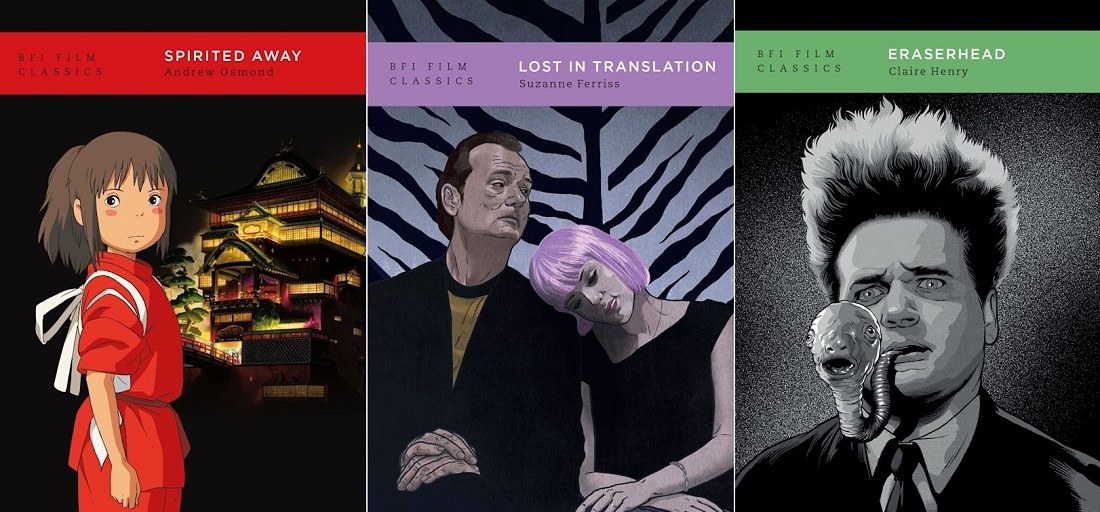
The BFI Film Classics series introduces, interprets and celebrates landmarks of world cinema. Each volume offers an argument for the film’s ‘classic’ status, together with discussion of its production and reception history, its place within a genre or national cinema, an account of its technical and aesthetic importance, and in many cases, the author’s personal response to the film. And now you can win a pack featuring three of the most popular titles in the BFI Film Classics series.
SPIRITED AWAY
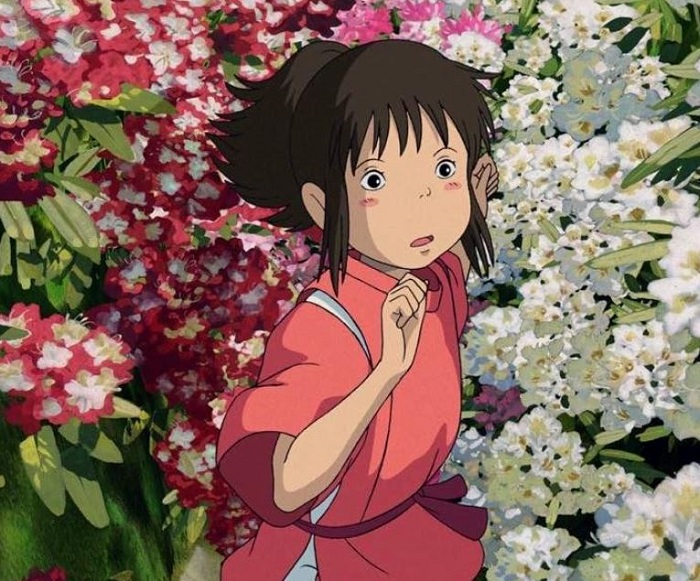
Spirited Away, directed by the veteran anime filmmaker Hayao Miyazaki, is Japan’s most successful film, and one of the top-grossing ‘foreign language’ films ever released. Set in modern Japan, the film is a wildly imaginative fantasy, at once personal and universal. It tells the story of a listless little girl, Chihiro, who stumbles into a magical world where gods relax in a palatial bathhouse, where there are giant babies and hard-working soot sprites, and where a train runs across the sea.
Andrew Osmond’s insightful study describes how Miyazaki directed Spirited Away with a degree of creative control undreamt of in most popular cinema, using the film’s delightful, freewheeling visual ideas to explore issues ranging from personal agency and responsibility to what Miyazaki sees as the lamentable state of modern Japan. Osmond unpacks the film’s visual language, which many Western (and some Japanese) audiences find both beautiful and bewildering. He traces connections between Spirited Away and Miyazaki’s prior body of work, arguing that Spirited Away uses the cartoon medium to create a compellingly immersive drawn world.
This edition includes a new foreword by the author in which he considers the world of animated cinema post-Spirited Away, considering its influence on films ranging from del Toro’s Pan’s Labyrinth to Pixar’s Inside Out.
LOST IN TRANSLATION
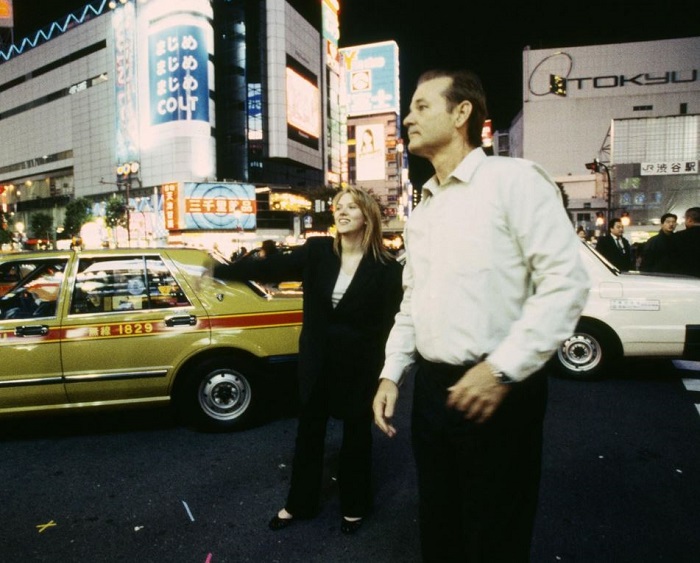
Sofia Coppola’s Lost in Translation (2003) brings two Americans together in Tokyo, each experiencing a personal crisis. Charlotte (Scarlett Johansson), a recent graduate in philosophy, faces an uncertain professional future, while Bob Harris (Bill Murray), an established celebrity, questions his choices at midlife. Both are distant – emotionally and spatially – from their spouses. They are lost until they develop an intimate connection. In the film’s poignant, famously ambiguous closing scene, they find each other, only to separate.
In this close look at the multi-award-winning film, Suzanne Ferriss mirrors Lost in Translation‘s structuring device of travel: her analysis takes the form of a trip, from planning to departure. She details the complexities of filming (a 27-day shoot with no permits in Tokyo), explores Coppola’s allusions to fine art, subtle colour palette and use of music over words, and examines the characters’ experiences of the Park Hyatt Tokyo and excursions outside, together and alone. She also re-evaluates the film in relation to Coppola’s other features, as the product of an established director with a distinctive cinematic signature: ‘Coppolism’. Fundamentally, Ferriss argues that Lost in Translation is not only a cinema classic, but classic Coppola too.
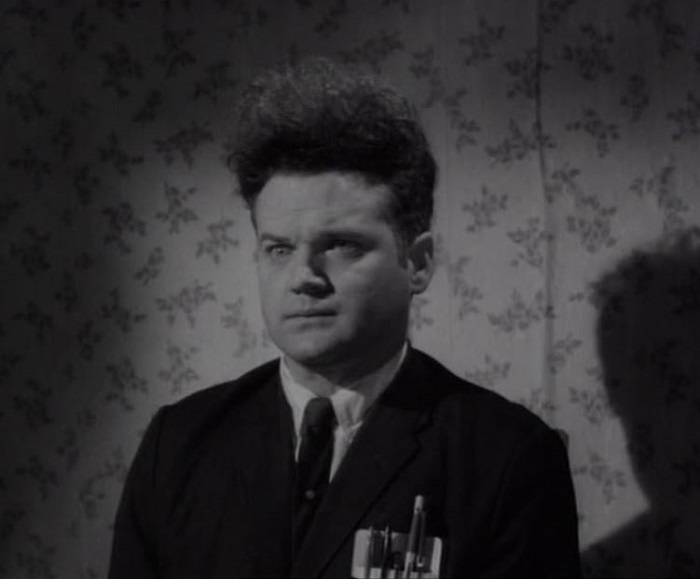
ERASERHEAD
A surreal and darkly humorous vision, David Lynch’s Eraserhead (1977) has been recognised as a cult classic since its breakout success as a midnight movie in the late 1970s.
Claire Henry’s study of the film takes us into its netherworld, providing a detailed account of its production history, its exhibition and reception, and its elusive meanings. Using original archival research, she traces how Lynch took his nightmare of Philadelphia to the City of Dreams, infusing his LA-shot film with the industrial cityscapes and sounds of the Callowhill district. Henry then engages with Eraserhead‘s irresistible inscrutability and advances a fresh interpretation, reframing auteurism to centre Lynch’s creative processes as a visual artist and Transcendental Meditation practitioner. Finally, she outlines how Lynch’s ‘dream of dark and troubling things’ became a model midnight movie and later grew in reputation and influence across broader film culture.
From the opening chapter on Eraserhead‘s famous ‘baby’ to the final chapter on the film’s tentacular influence, Henry’s compelling and authoritative account offers illuminating new perspectives on the making and meaning of the film and its legacy. Through an in-depth analysis of the film’s rich mise en scène, cinematography, sound and its embeddedness in visual art and screen culture, Henry not only affirms the film’s significance as Lynch’s first feature, but also advances a wider case for appreciating its status as a film classic.
For a chance to win a BFI Film Classics Pack, simply email competitions@filmink.com.au with the name of a film you’d like to see given the BFI Film Classics treatment. Most creative entries win. Don’t forget to include your postal address with your entry.
